
Sports and deep tissue massage
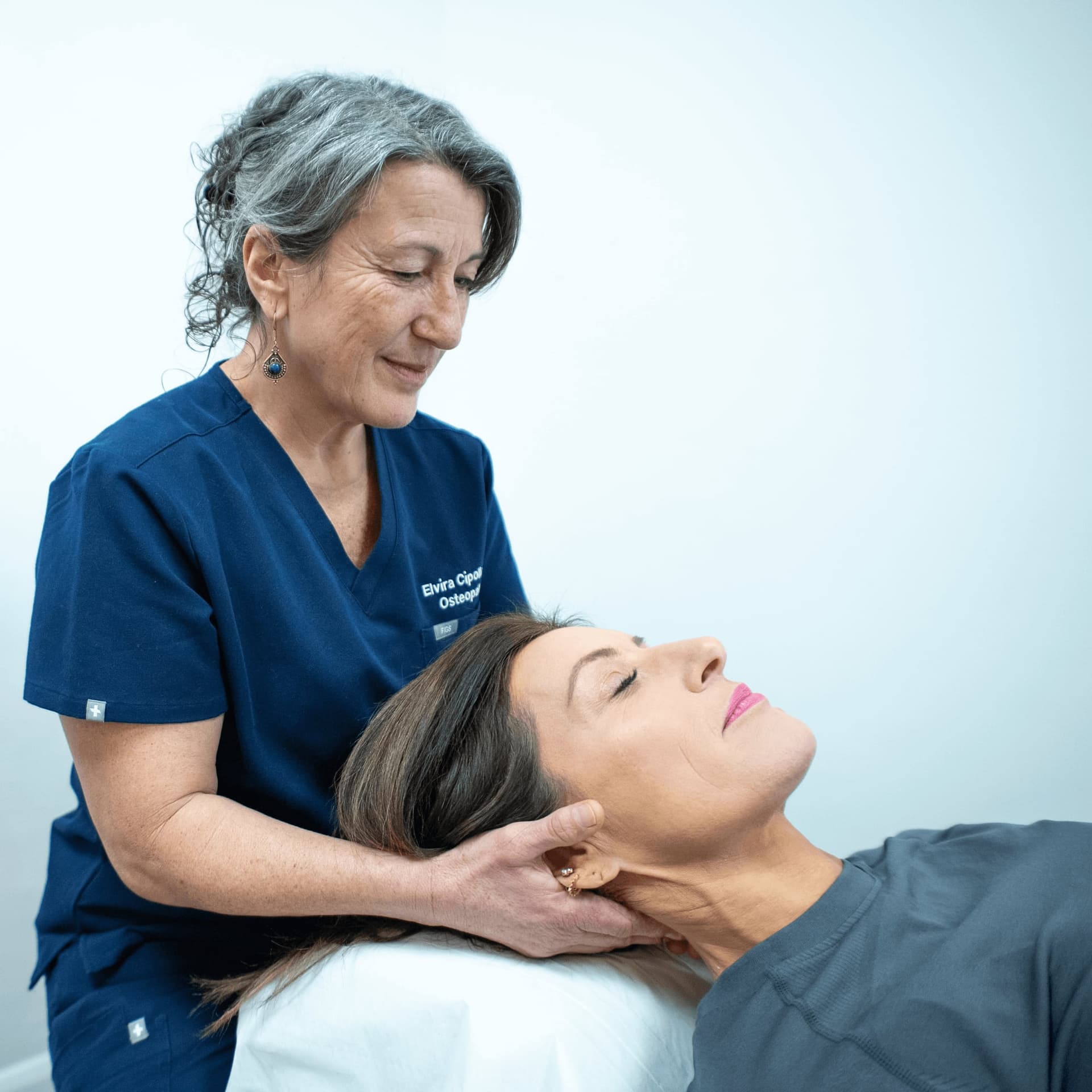
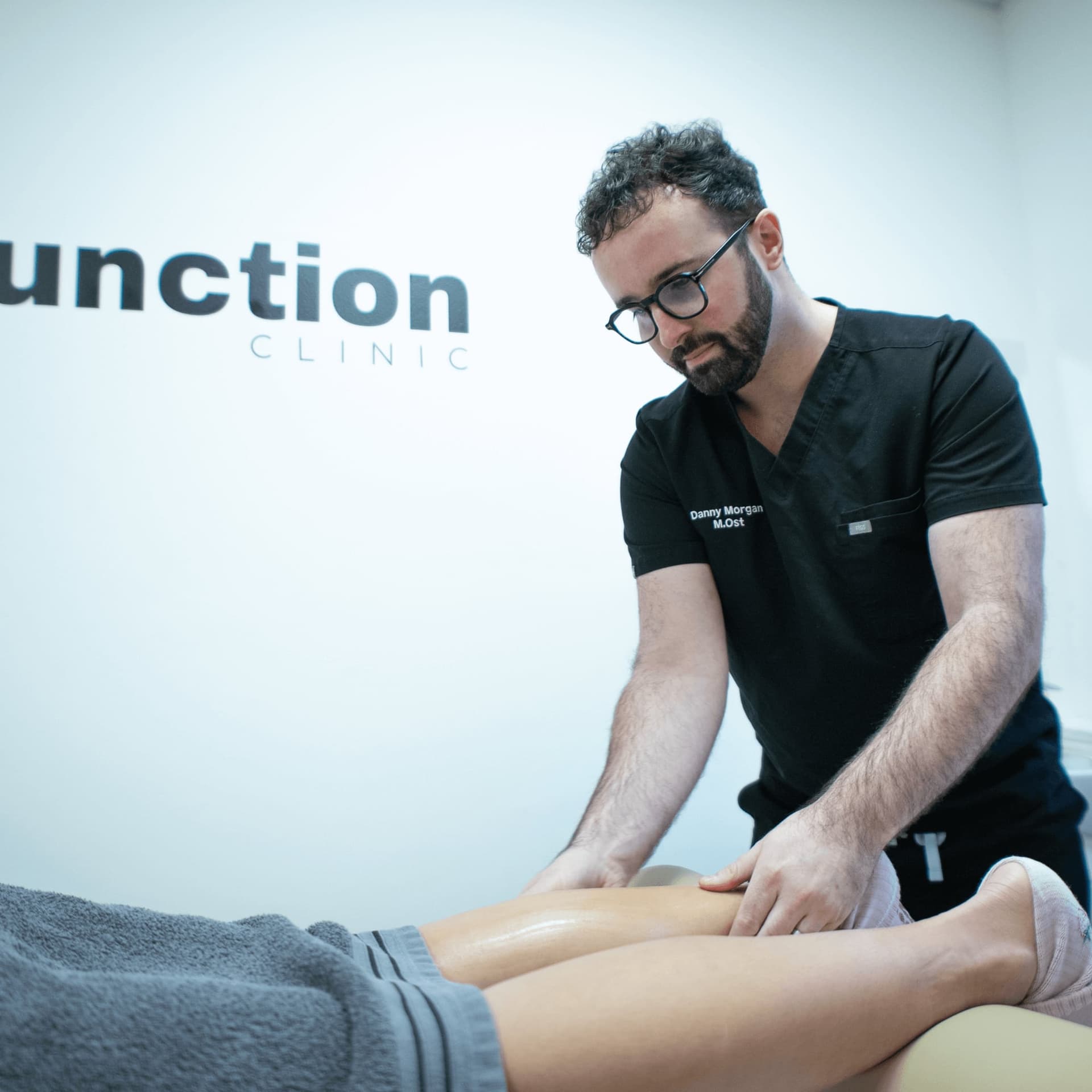
Sports and deep tissue massage is a targeted form of soft tissue treatment used to support recovery, reduce muscle tension, and help you move more comfortably.
At Bodyfunction, massage is delivered in a clinical setting and tailored to what your body needs on the day. Some people attend for recovery and maintenance, while others book during periods of increased training, physical load, or persistent muscle tightness.
Appointments are available at our Islington clinic in Angel, N1.
What is sports and deep tissue massage?
Sports massage is a form of hands-on soft tissue treatment focused on muscles, tendons, and connective tissue. It is commonly used to support recovery, manage muscle tightness, and help people maintain comfortable movement during periods of physical demand.
Deep tissue massage refers to the pressure and technique used during treatment, rather than a completely separate service. Deeper pressure may be appropriate in some areas or at certain stages, but it is not required for everyone and is always guided by comfort, response, and clinical judgement.
At Bodyfunction, treatment is adapted to you rather than following a fixed routine.
Sports massage vs deep tissue massage
Sports massage
Sports massage is often the best starting point for people looking to manage muscle tightness, support recovery, or maintain movement during busy or physically demanding periods. It is suitable for both active individuals and those dealing with tension from desk-based or repetitive work.
Deep tissue massage
Deep tissue massage describes firmer, more focused pressure used to address areas of stubborn muscle tension. While some people specifically request deep tissue work, it is not always necessary and is not automatically better. Pressure is adjusted based on how your body responds.
If you are unsure which to choose: Book sports massage and let your clinician adjust the approach, including deeper work where appropriate.
When massage can be helpful
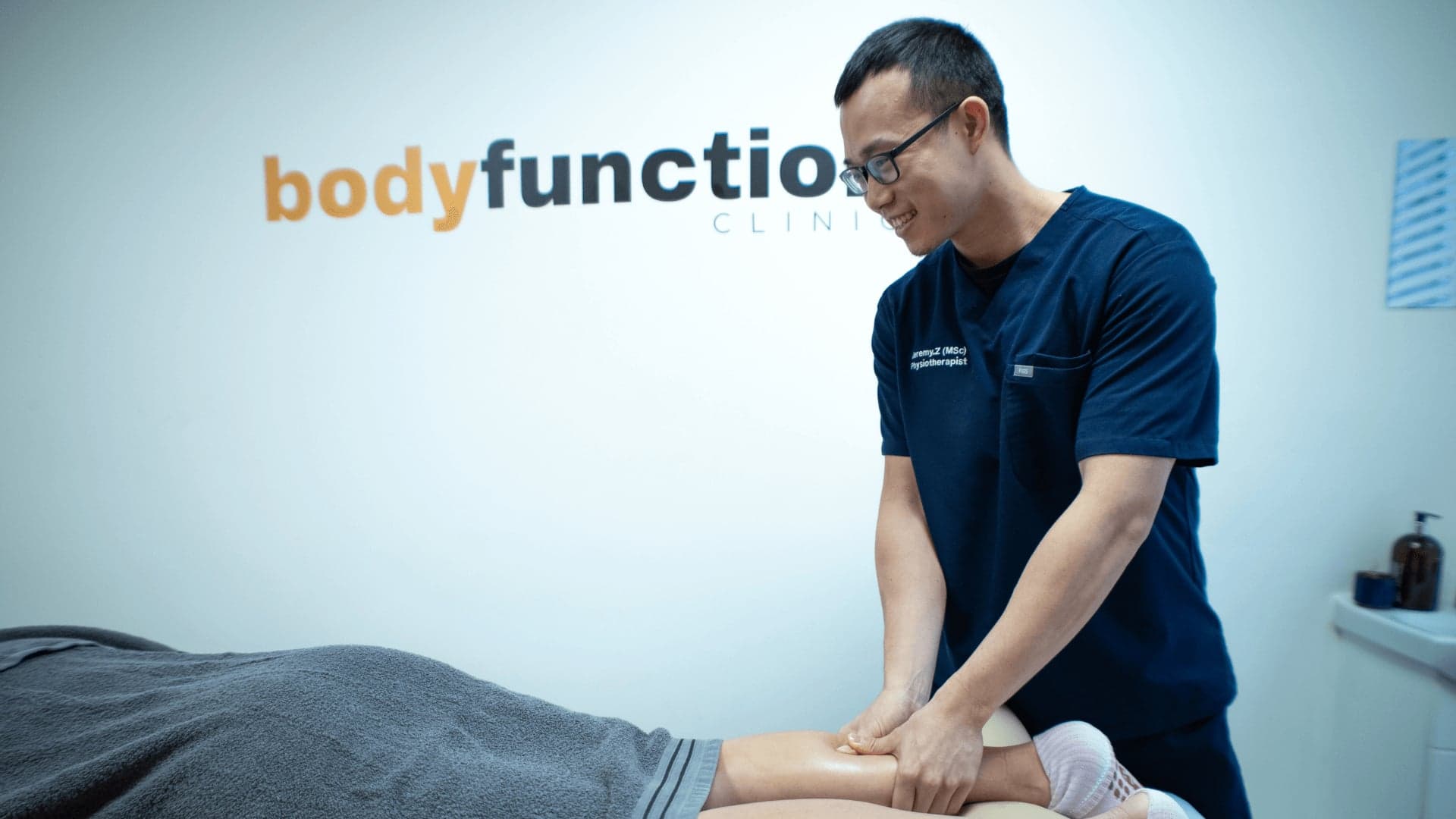
Sports and deep tissue massage is commonly used to support:
If symptoms are persistent, worsening, or affecting function, assessment may be needed to decide whether another approach is more suitable.
- Muscle tightness or stiffness
- Post-training or post-activity soreness
- Recovery during busy training or work periods
- General tension related to prolonged sitting or repetitive tasks
- Preparation for events or increased physical load
- Maintenance alongside other treatment or rehabilitation
What to expect at your appointment
Our approach starts with understanding your pain, your routine, and what you want to return to.
Treatment is tailored and reviewed as you progress.
Before treatment
During treatment
After treatment
When massage may not be enough
Massage can be helpful for managing muscle tension and supporting recovery, but it may not be the most appropriate option if:
In these cases, assessment through Physiotherapy or Osteopathy may be more appropriate.
We are happy to advise if you are unsure.
Tell your clinician if you:
- Symptoms return quickly or keep worsening
- You are experiencing weakness, pins and needles, or loss of confidence in movement
- Pain is affecting sleep or daily function
- You want a structured rehabilitation or recovery plan
Appointments and fees
Appointment lengths and fees vary depending on the type of session booked.
FAQs
Does deep tissue massage hurt?
Deeper pressure can feel intense, but treatment should always be tolerable. Discomfort is not required for benefit, and pressure is adjusted based on feedback.
Will I be sore afterwards?
Some soreness is normal, especially after deeper work, and usually settles within a day or two.
Can I exercise after a sports massage?
This depends on the session and your activity. Gentle movement is usually fine, but heavier training may be better spaced.
What should I wear?
Wear comfortable clothing. You may be asked to adjust clothing to access the area being treated, with privacy respected.
Book a sports or deep tissue massage
If you are looking for sports or deep tissue massage in London and want a clear, clinically informed approach, we are here to help.
Book online at a time that suits you.