Skip to content
Bodyfunction Clinic

Plantar fasciitis treatment

Pain during the first few steps in the morning is a common pattern in plantar fasciitis. It is usually felt underneath or towards the inside of the heel, may ease after moving for a while and can return after sitting or standing still. It can take several months to settle, although many people improve by adjusting aggravating activity, changing footwear and gradually strengthening the foot and calf.
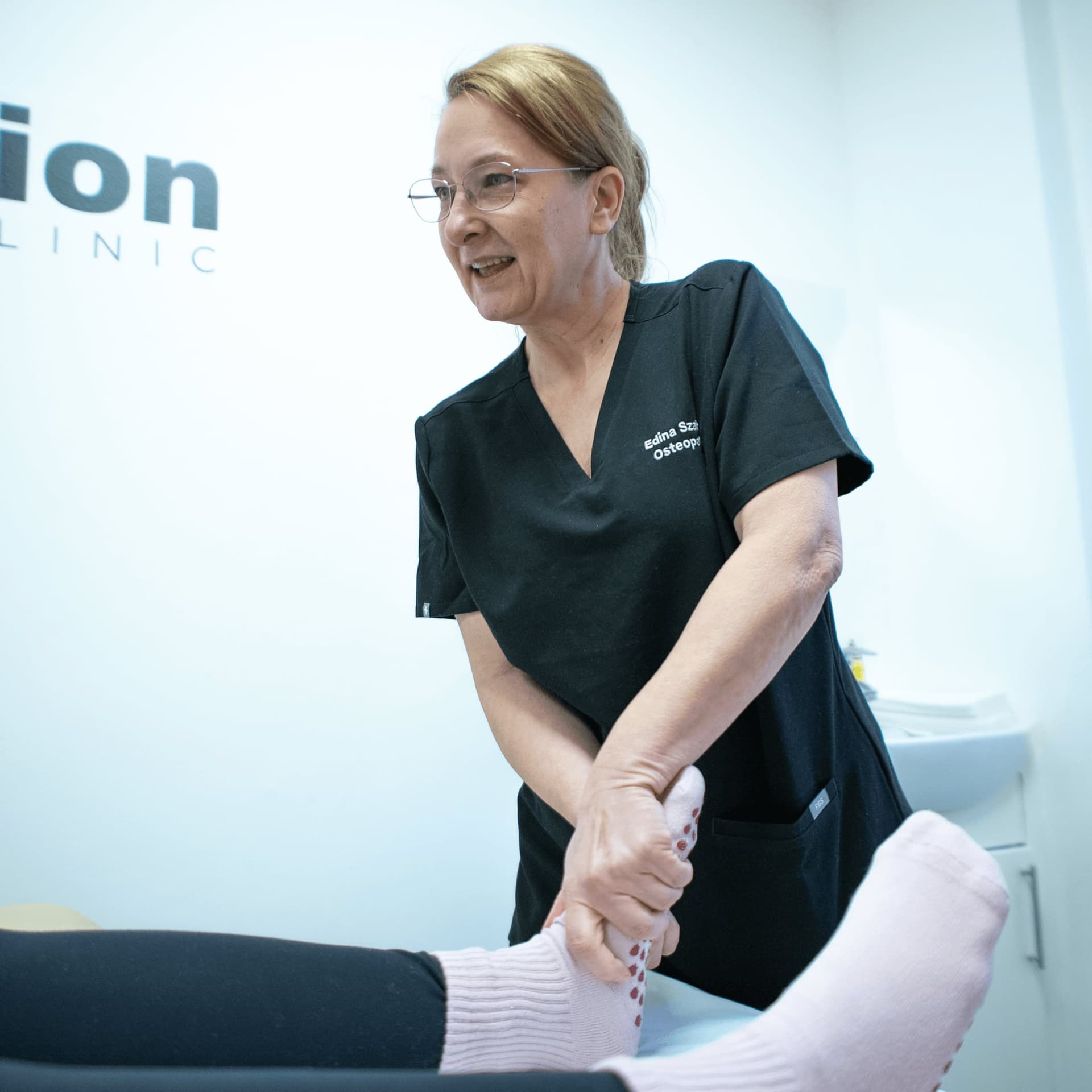
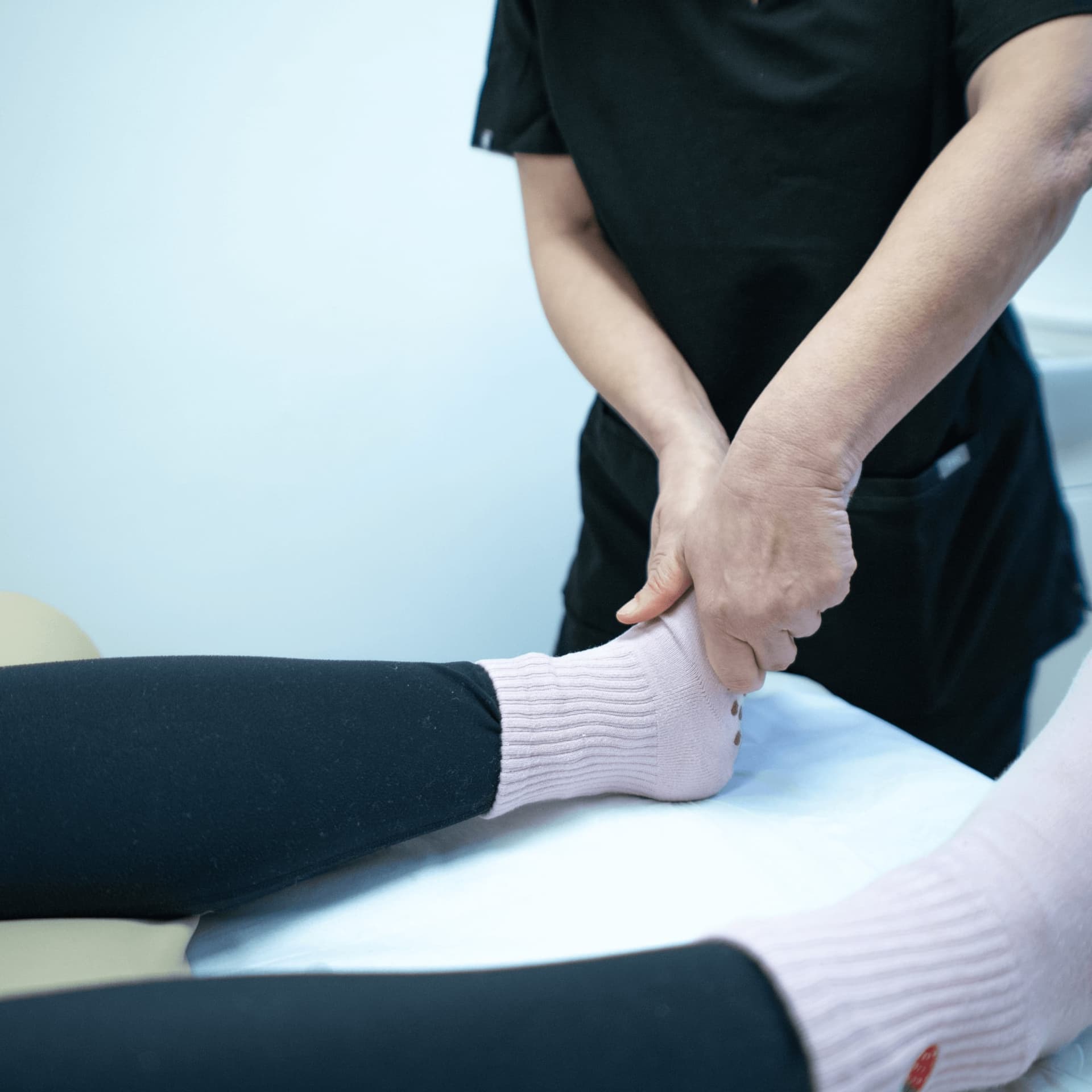
Guided leg stretch treatment by an osteopath at Bodyfunction Clinic, Islington
Sports injuries ankle assessment close-up at Bodyfunction Clinic

Plantar fasciitis: what it is and why it happens

The plantar fascia is a strong band of tissue running along the sole of the foot from the heel towards the toes. It helps support the arch and takes load whenever you stand, walk or run. Pain can develop when the load placed on the tissue exceeds what it is currently able to manage.

Although the condition is commonly called plantar fasciitis, clinicians may also use the term plantar fasciopathy because persistent cases are not always driven mainly by inflammation. This helps explain why rest alone does not always resolve the problem and why activity usually needs to be rebuilt gradually

Common plantar fasciitis symptoms

  • Sharp heel pain with the first steps of the morning
  • Pain returning after sitting or standing still for a while
  • Tenderness on the inside of the heel when pressed
  • Pain that eases during activity, then worsens afterwards
  • Worse barefoot or in flat, unsupportive shoes
  • Usually one foot, though it can affect both

Symptoms vary between individuals. An assessment can help clarify likely drivers and appropriate next steps.

Common causes and triggers of plantar fasciitis

A change in load

A jump in running distance, a new job on your feet, or a holiday involving a lot of walking. The change is usually more relevant than the total amount.

Footwear

Flat, worn or unsupportive shoes, or a sudden switch between very different types. Going barefoot on hard floors at home is a common and overlooked trigger.

Calf and foot mechanics

Limited ankle movement or a tight calf increases the demand on the fascia with every step.

Changes in recovery or physical load

A period of unusually high activity, reduced recovery or changes in general health may affect how much load the foot can currently manage. A practitioner can discuss any relevant health factors without assuming that body weight alone caused the problem.

When to seek help for plantar fasciitis

Seek urgent medical help if you have

  • You heard a snap or pop and now have severe pain
  • You cannot bear weight on the foot
  • The foot has changed shape following an injury
  • The foot is red, hot or markedly swollen, particularly if you also have a fever

Book an assessment soon if

  • Pain is stopping you carrying out normal activities
  • Symptoms are getting worse or keep returning
  • You have tingling, loss of sensation or weakness in the foot
  • You have diabetes and develop new or persistent foot pain
  • The problem has not improved after a period of appropriate self-care

What helps plantar fasciitis?

Plantar fasciitis often needs a combination of temporary activity changes and gradual strengthening. Depending on the severity of the pain, you may be able to:

Wear supportive or cushioned shoes, including at home if hard floors aggravate the heel

Reduce activities that clearly increase the pain without stopping all movement

Stretch the calf and sole of the foot

Roll the sole gently over a ball or chilled bottle if this provides relief

Build calf and foot strength gradually

Increase walking or running in stages rather than making a sudden jump

Improvement commonly takes months rather than days. Seek an assessment if the pain is worsening, changing how you walk or failing to improve.

Plantar fasciitis exercises and stretches

These are general examples and may not suit every cause of heel pain. Some discomfort during strengthening can be acceptable, but stop and seek advice if an exercise causes sharp pain, produces a lasting increase in symptoms or makes walking more difficult afterwards.

Standing calf stretch against a wall, back leg straight and heel down

Calf stretch against a wall

Who it may suit: Many presentations.
How to do it:Hands on wall, back leg straight, heel down, hold 20 to 30 seconds each side.
Stop if: Pain sharpens.
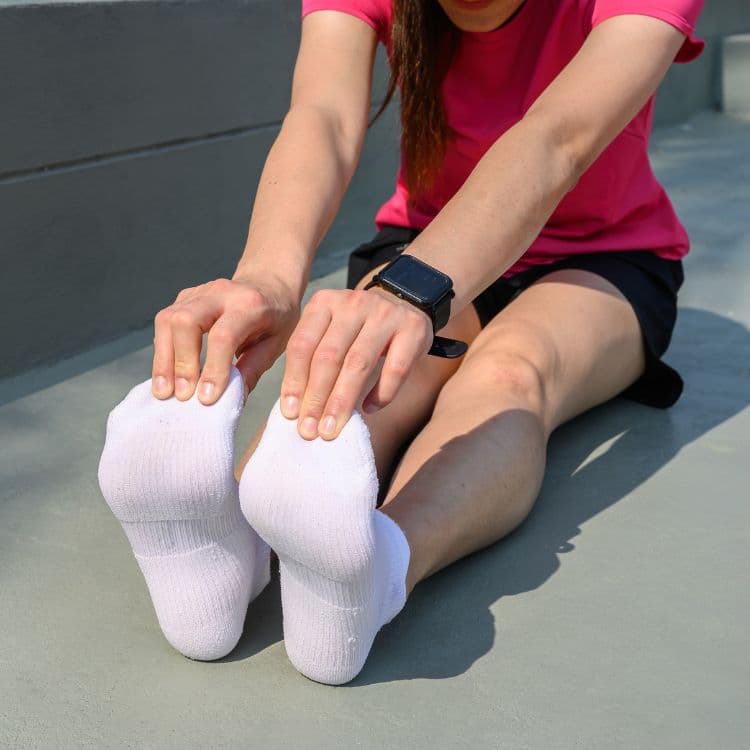
Seated plantar fascia stretch, pulling the toes back towards the shin

Plantar fascia stretch

Who it may suit: Morning pain.
How to do it:Seated, pull the toes back towards the shin and hold 20 seconds. Do it before standing up.
Stop if: Pain increases.
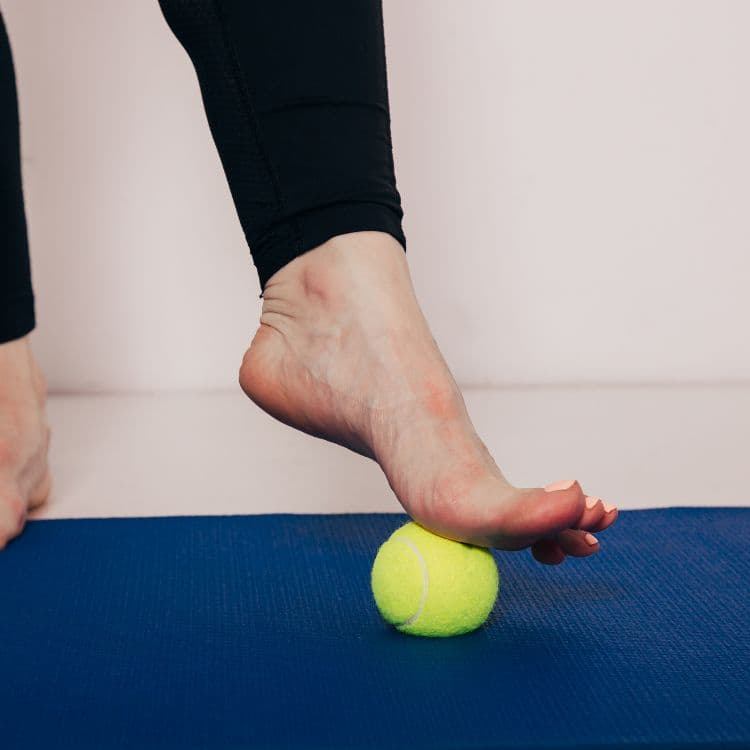
Rolling the sole of the foot over a ball

Ball or bottle roll

Who it may suit: General soreness.
How to do it: Roll the sole over a ball or chilled bottle for 1 to 2 minutes.
Stop if: The heel feels bruised afterwards.
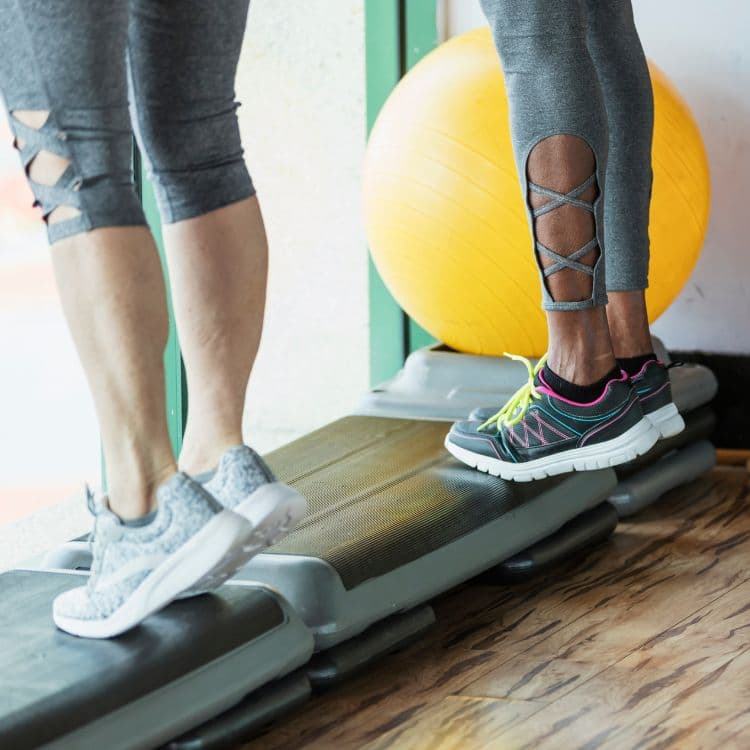
Heel raises performed on a step

Heel raises

Who it may suit: Those who want to build load tolerance.
How to do it:Rise onto the toes slowly, lower more slowly still. 8 to 12 repetitions. times.
Stop if: Pain increases sharply during the set.
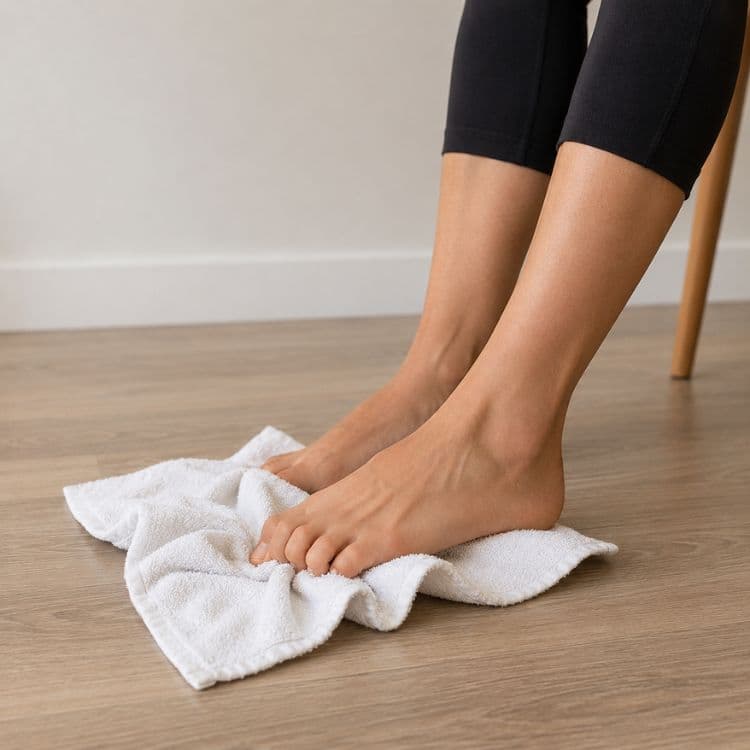
Towel scrunch exercise, gathering a towel with the toes

Towel scrunches

Who it may suit: Those who want to streghten feet.
How to do it: Scrunch a towel towards you using the toes, 10 to 15 times.
Stop if: Cramping.
Walking in supportive shoes while recovering from plantar fasciitis

Walking

Who it may suit: Most people with plantar fasciitis.
How to do it: Keep walking, building distance gradually and in supportive shoes.
Stop if: Symptoms worsen day on day.

Plantar fasciitis treatment options

Treatment choices depend on how long the pain has been present, what currently aggravates it, the footwear being used and what you want to return to. Treatment may include:

The right approach depends on your symptoms, goals, and how long the pain has been present.

  • Manual therapy to help manage pain and improve movement
  • Soft tissue treatment to the calf and sole of the foot
  • A graded loading and strengthening programm
  • Footwear advice and activity pacing
  • Gait assessment where foot mechanics appear to be contributing
  • Guidance on returning to sport

Can massage help plantar fasciitis?

Massage or soft-tissue treatment to the calf or sole of the foot may provide temporary relief for some people. It is unlikely to resolve the problem by itself. Longer-term improvement usually depends on managing aggravating activity and gradually increasing the strength and load tolerance of the foot and calf.
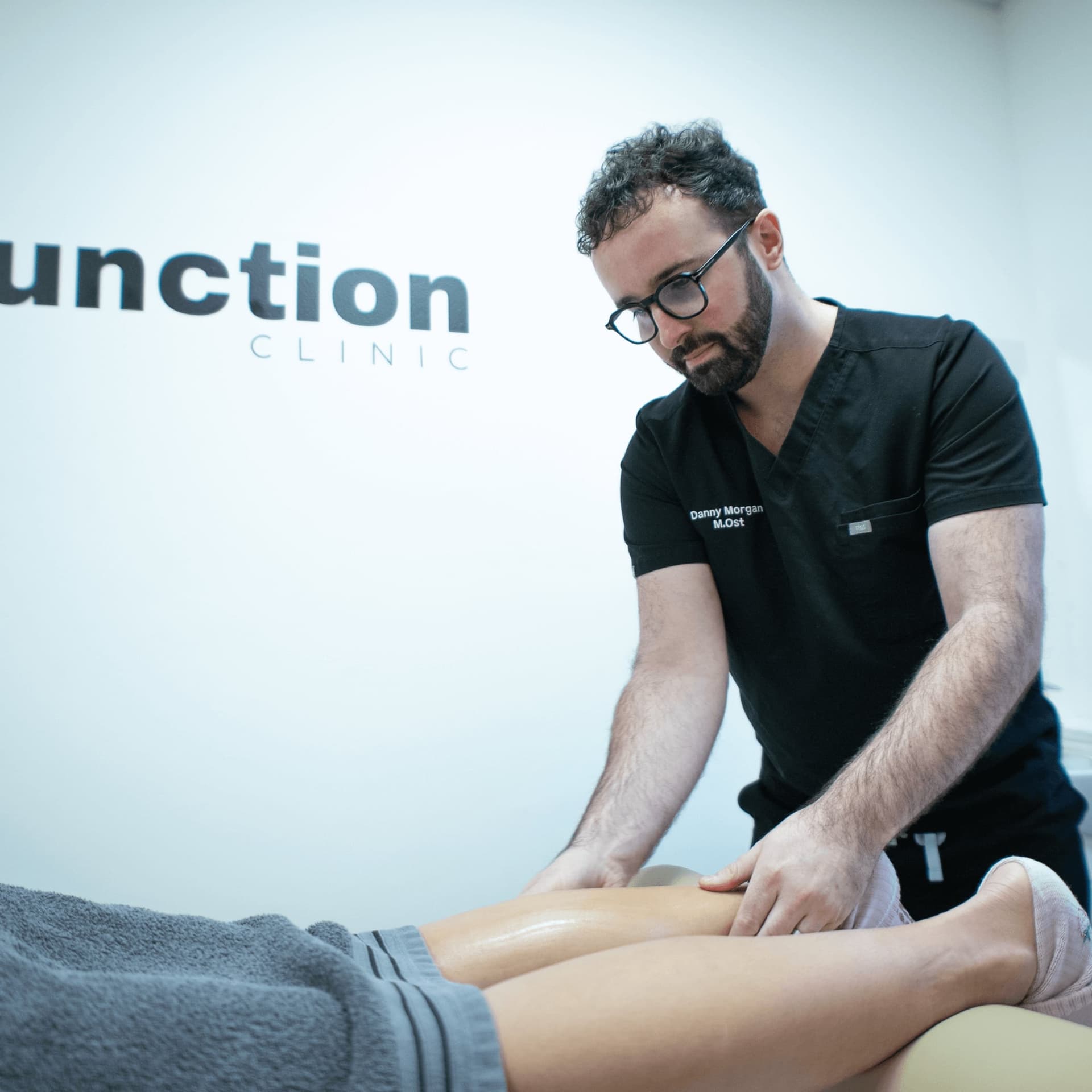
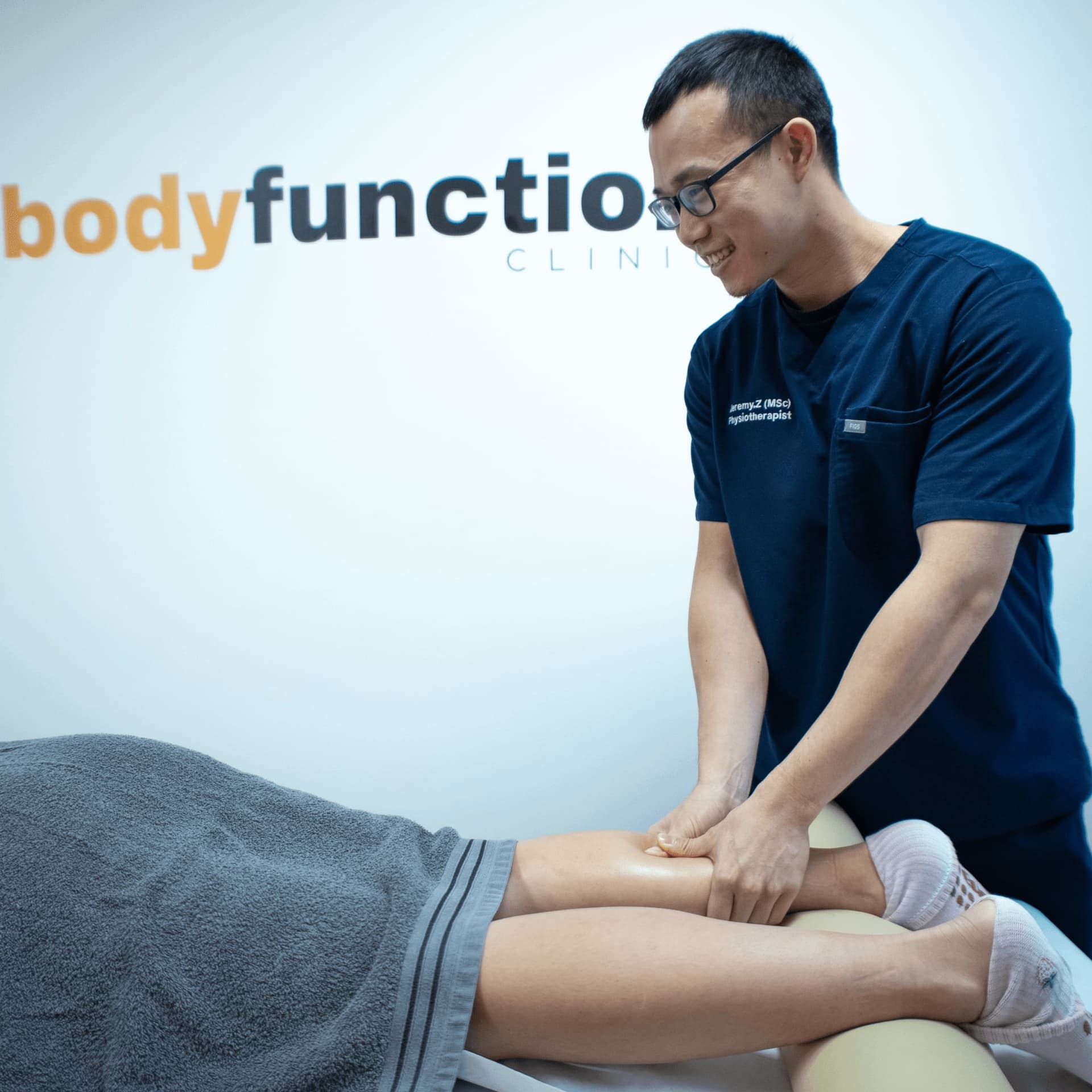
Sports massage London leg and ankle soft tissue treatment at Bodyfunction Clinic

How we treat plantar fasciitis at Bodyfunction

Our approach starts with understanding your pain, your routine, and what you want to return to. Treatment is tailored and reviewed as you progress.

Your first appointment

We take time to understand your history, assess movement, and explain what may be contributing to your pain. You will leave with a clear plan and practical next steps.

Osteopathy for plantar fasciitis

Osteopathy may help when plantar fasciitis is linked to tension, stiffness, or restricted movement in the foot, ankle, or surrounding muscles. Treatment is gentle and tailored to your needs.

Physiotherapy for plantar fasciitis

Physiotherapy can be helpful when strengthening, improving mobility, progressive loading, and structured rehabilitation are key to reducing pain and supporting recovery.

How many sessions will I need?

This varies depending on symptoms, duration, and goals. Some people improve with a small number of sessions and a home plan, while others benefit from a short course of care. Progress is reviewed regularly.

Book an appointment

If plantar fasciitis is limiting your comfort, work, or sleep, you do not have to manage it alone. A clear assessment and plan can reduce uncertainty and help you move with more confidence.

FAQs about plantar fasciitis

Can a physio or osteopath help with plantar fasciitis?

An osteopath or physiotherapist can assess whether the symptoms fit
plantar fasciitis and look for factors that may be increasing the load on
the heel. Treatment commonly includes advice about activity, footwear
and progressive exercise. Hands-on treatment may be used for short-
term symptom relief where appropriate.

What is the worst thing you can do for plantar fasciitis?

Complete rest is unlikely to resolve the problem, but repeatedly pushing
through sharply increasing pain may also aggravate it. The aim is to keep the
foot active while temporarily reducing the activities or loads that provoke
symptoms, then build them up again gradually.

How long does plantar fasciitis take to get better?

It often takes several months to settle completely, although improvement
may begin earlier. Recovery time depends partly on how long the problem
has been present and whether the aggravating load can be adjusted. A lack
of progress should prompt reassessment of the diagnosis and treatment
plan.

Should I stop running?

Not everyone needs to stop completely. Some people can continue with reduced
distance, frequency or intensity, while others may need a temporary break from
running. The decision should depend on pain during the activity, the response
later that day and how the heel feels the following morning.
CallBook online