
Radial shockwave therapy in Islington
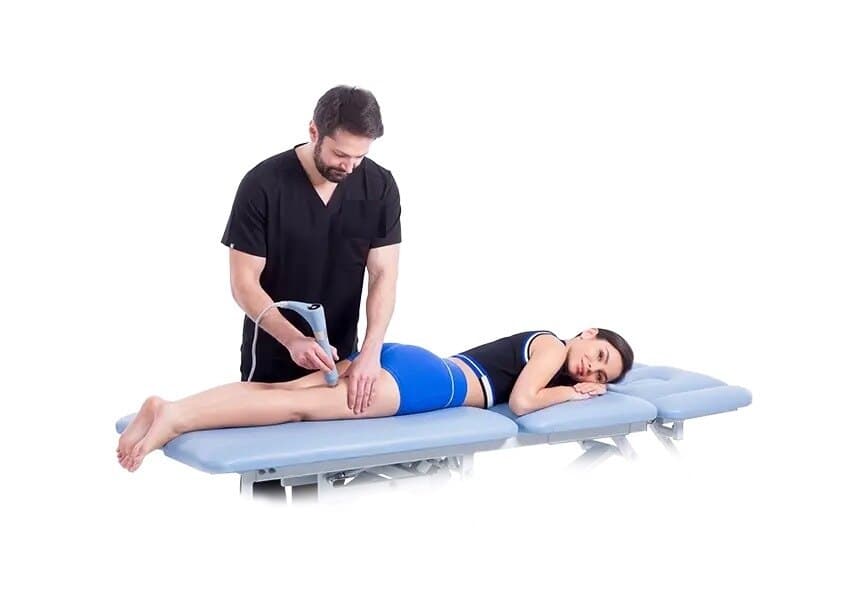
Radial shockwave therapy is a non-invasive treatment for tendon and heel pain that has stopped improving on its own. A hand-held applicator delivers short pressure waves into the painful tissue, which increases blood flow and prompts the body’s own repair process. It is most often used for plantar fasciitis, Achilles and patellar tendinopathy and tennis elbow, and at our Islington clinic it is offered alongside assessment and rehabilitation, not as a stand-alone treatment.
What radial shockwave therapy is and how it works
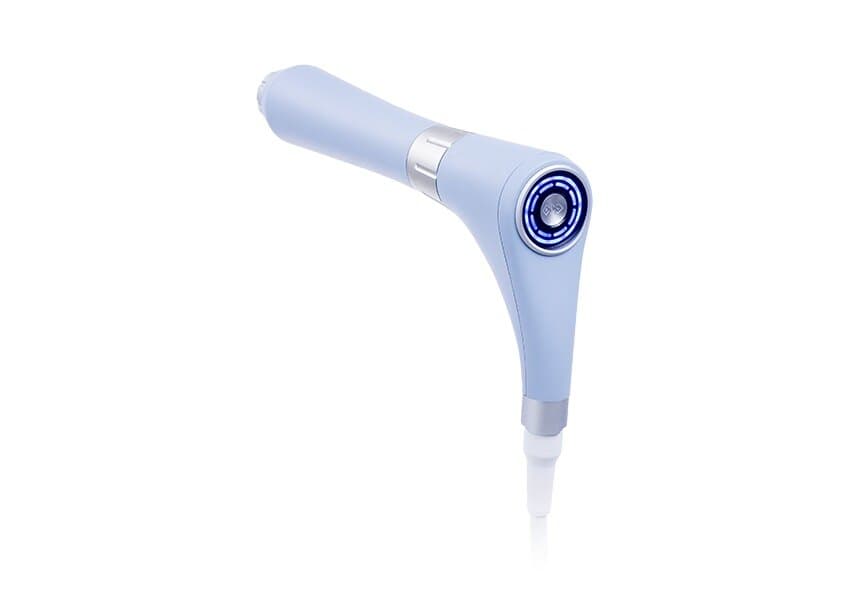
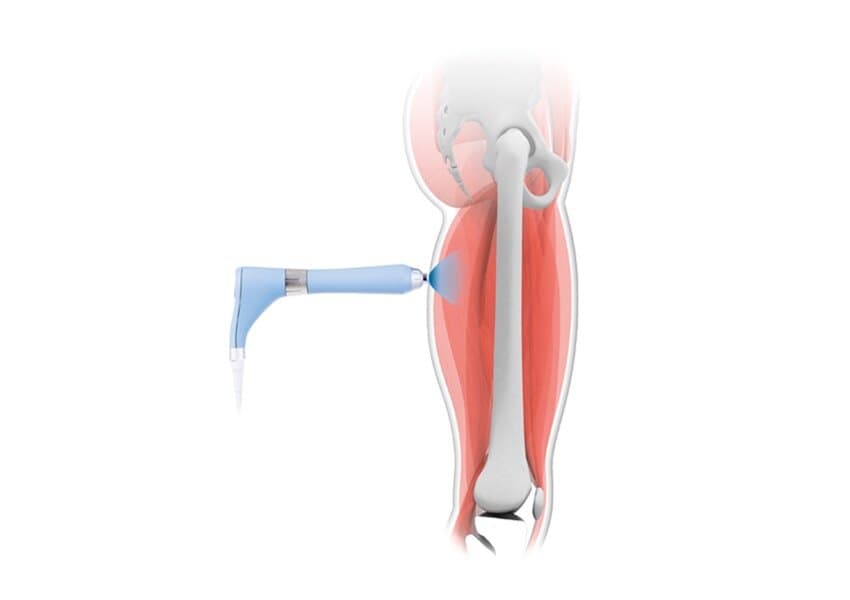
Shockwave therapy has been used since the 1980s, first to break up kidney stones without surgery and later for tendon and soft tissue problems across the body. The radial form used in physiotherapy clinics delivers low-energy pressure waves through the skin into the tissue underneath. The energy is highest at the surface, which is why it suits tendons and other structures that lie close to the skin.
Those pressure waves do three useful things. They increase blood flow to the area, they stimulate the cells that build and repair tendon tissue, and they interrupt the pain signals coming from it, so many people feel some relief soon after a session. Over a course of treatment the effect accumulates, and each session builds on the one before.
What shockwave therapy can help with
Shockwave is most often used for persistent tendon problems, including:
- Plantar fasciitis and heel pain
- Achilles tendinopathy
- Patellar tendinopathy (jumper’s knee)
- Tennis elbow and golfer’s elbow
- Gluteal tendinopathy and pain on the outside of the hip
- Proximal hamstring and adductor tendinopathy
- Calcific tendinopathy of the shoulder
- Shin splints
- Myofascial pain and trigger points
It is usually considered when a tendon problem has become long-standing and has not responded to rest, load management and exercise. If your problem is not listed, an assessment can still tell you whether shockwave is likely to help or whether another approach makes more sense.
What happens at your shockwave appointment
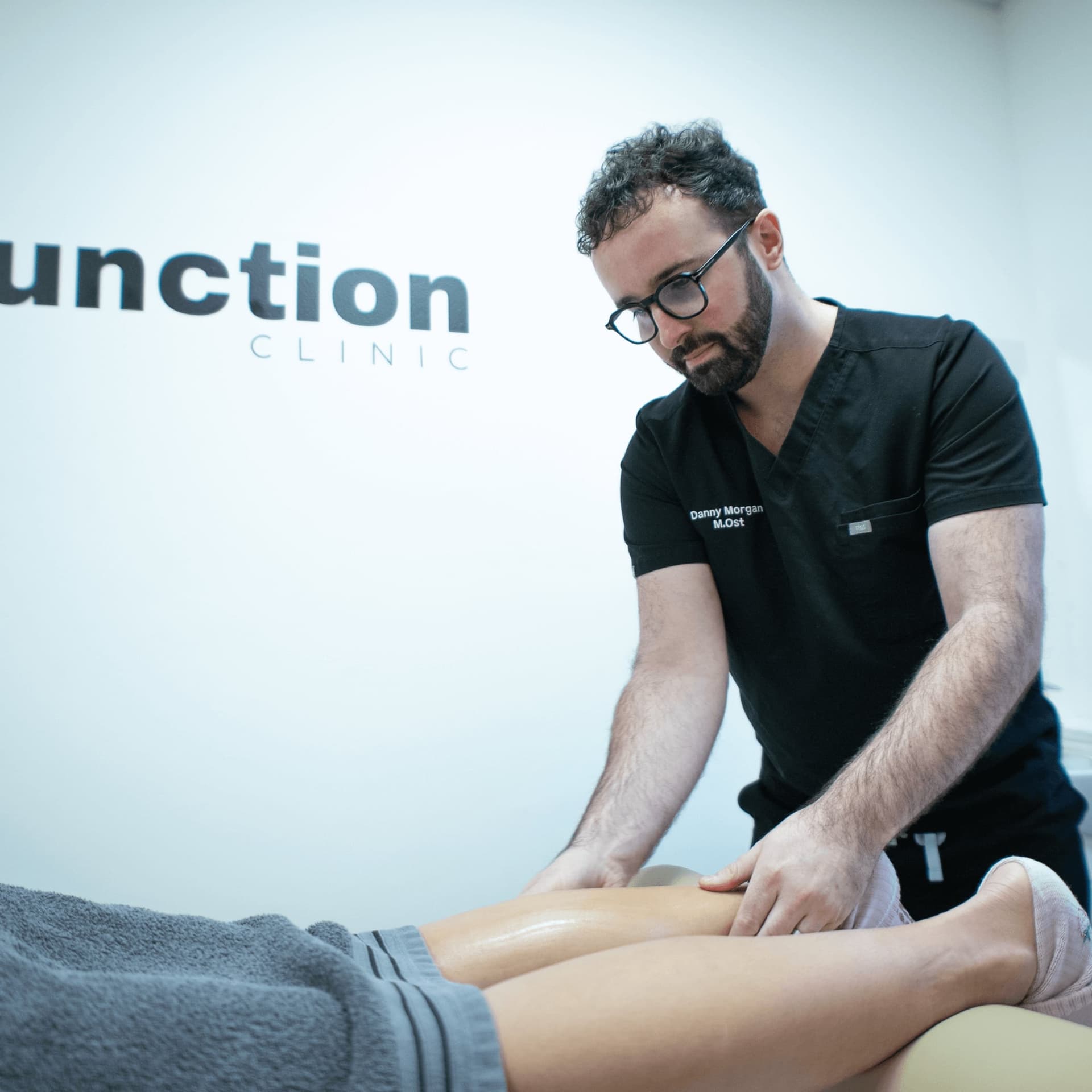
Shockwave is one part of the appointment, not the whole of it. Here is what to expect.
Assessment
Gel and applicator
The treatment itself
Your plan
How many sessions, and what it feels like
Most people need a short course of treatment. As a guide, three to six sessions are typical, spaced no more than two weeks apart, and many people notice a clear change after two or three. Long-standing problems can need more, up to around ten. The number depends on the condition, how long you have had it and how the tissue responds.
NICE has published guidance on shockwave for a number of tendon conditions, and it is used within the NHS. Delivered by a qualified clinician it is a low-risk treatment, but it is not suitable for everyone, so your clinician screens for this before treating.
- Three to six sessions is typical for most conditions
- Sessions are spaced no more than two weeks apart
- The shockwave itself takes ten minutes or less
- You feel a firm tapping or pressure, adjusted to your tolerance
- Some soreness, redness or swelling for a few days is normal
- Results build over the course, so finishing it matters
Conditions shockwave is often used for
These pages explain how we assess and treat each problem.
Plantar fasciitis
Elbow, wrist and hand pain
Shoulder pain
Hip pain
Knee pain
If your symptoms are not listed, an assessment can still clarify what is driving them and whether shockwave is appropriate.
Book shockwave therapy in Islington
Shockwave therapy is available at our clinic at 10 Barnsbury Road, a few minutes from Angel. Book online any time, or call 0203 442 0267 and we will point you to the right clinician.
Not sure it is right for you?
If you are not certain your pain is a tendon problem, or you have tried shockwave before without success, book an assessment first. Your clinician can tell you whether a course is likely to help and what else should be part of the plan.
Shockwave therapy FAQs
Does shockwave therapy hurt?
Most people find it uncomfortable rather than painful. You feel a firm, rapid tapping over the sore spot, and the intensity is turned up or down according to what you can tolerate. Many people feel some relief straight after a session, and it is normal for the area to feel sore, red or slightly swollen for a few days afterwards while the healing response gets going.
How many sessions will I need?
Most people need between three and six, spaced no more than two weeks apart. Many notice a real change after two or three sessions, but the effect is cumulative, so it is worth completing the course your clinician recommends. Long-standing problems can need more, up to around ten.
How quickly does it work?
Some pain relief is common straight after treatment because of the effect on pain signals, but the repair response takes longer. Improvement generally builds over the weeks that follow the course as the tissue responds.
Is shockwave therapy safe?
Yes, when it is delivered by a qualified clinician for the right condition. NICE has published guidance on shockwave for a number of tendon conditions, and it is used within the NHS. Side effects are usually limited to temporary soreness, redness or swelling. It is not suitable for everyone, which is one reason every course starts with an assessment.
Is shockwave therapy covered by health insurance?
If you are insured, you may be able to access treatment with us following authorisation from your insurer. Check with your insurer whether shockwave therapy is included in your policy, and if you are unsure, get in touch and our team will be happy to advise.
What is the difference between radial and focused shockwave?
Both work in a similar way. Radial shockwave delivers its highest energy at the surface, so it suits tendons and tissue close to the skin, which covers most of the conditions listed on this page. Focused shockwave concentrates its energy deeper. We use radial shockwave at the clinic.