
Movement and load
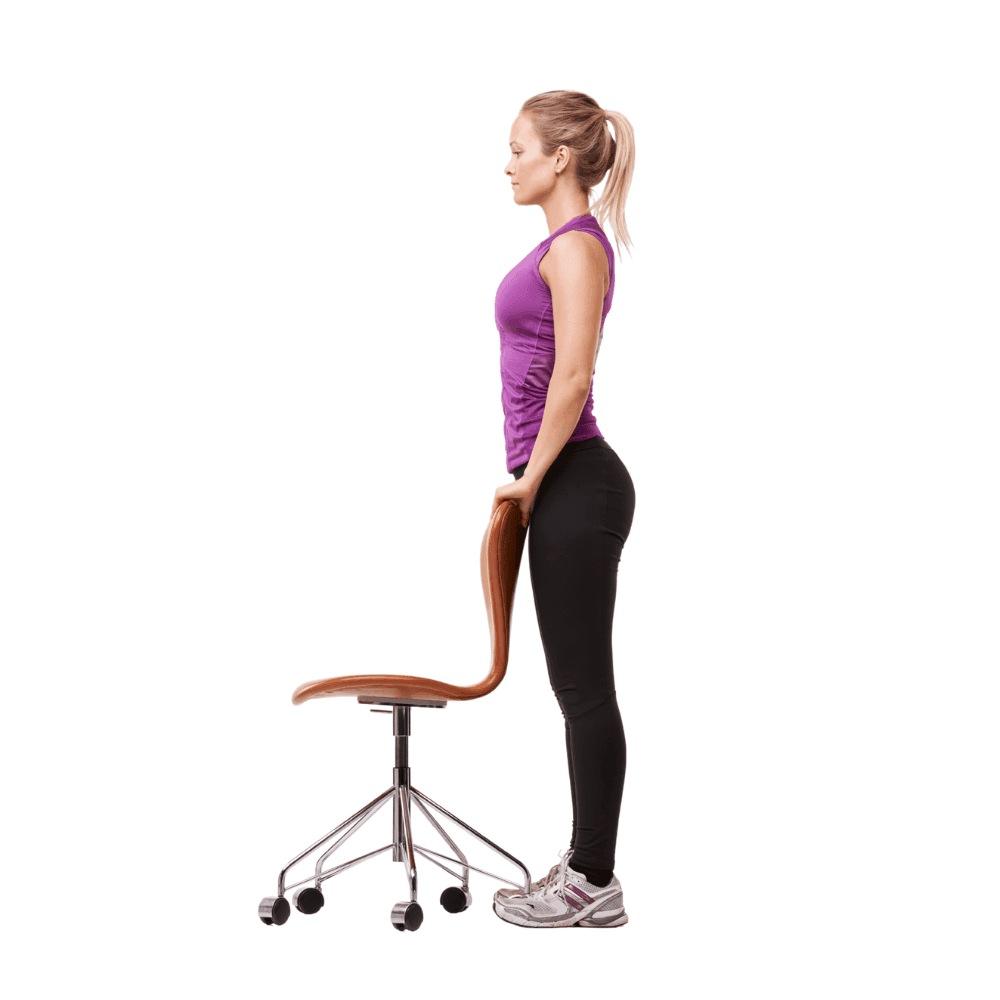
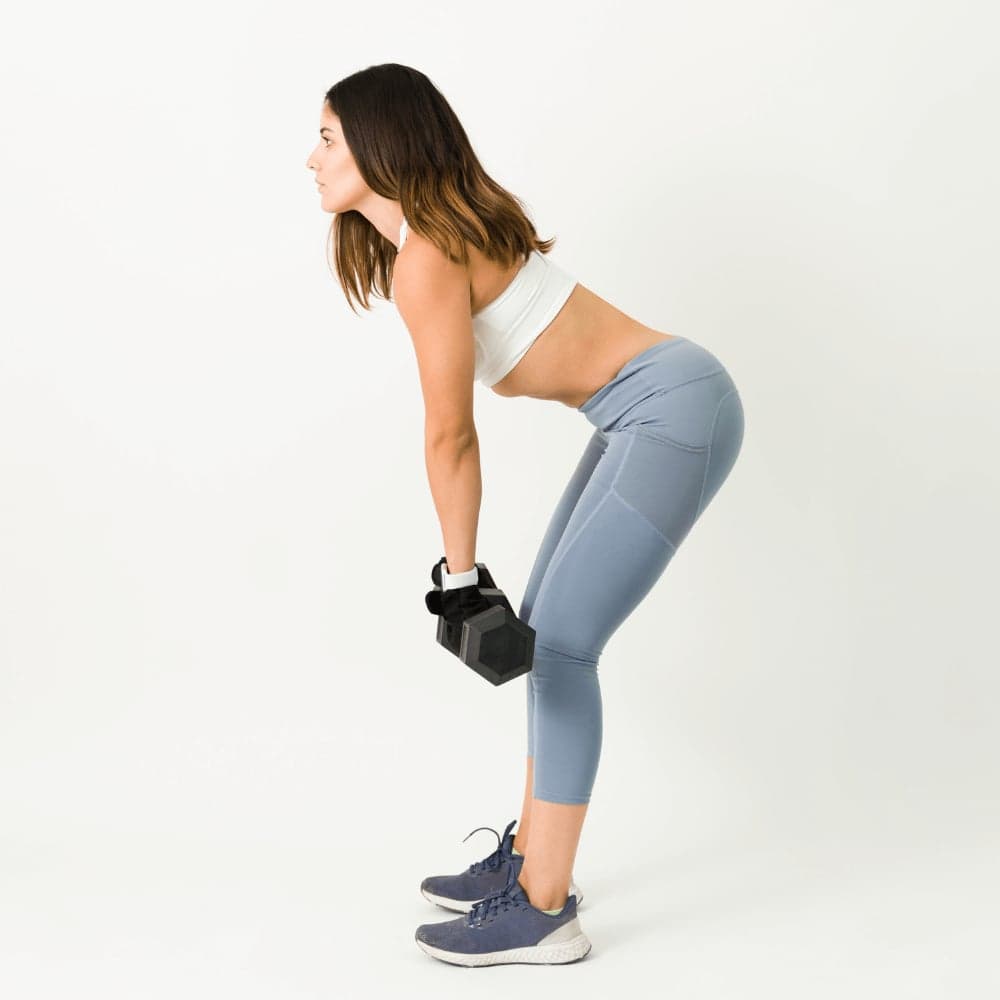
– Repetitive tasks and overuse (work, sport, caring roles)
– Prolonged standing or walking when deconditioned
– Returning to exercise after time off
– Overdoing it on “good days” then flaring afterwards
Joint and muscle pain can feel unsettling, especially when it affects more than one area or keeps returning. You might notice aching, stiffness, tightness, cramping, or soreness that builds gradually, flares after activity and feels worse with stress or poor sleep.
In many cases, symptoms improve with the right combination of movement, recovery habits, and a tailored treatment plan. If your pain is persistent, widespread, or limiting daily life, an assessment can help identify what is driving it and what will help you recover.


“Joint and muscle pain” is a broad term that includes discomfort coming from muscles, joints, tendons, ligaments, and other connective tissues. People often describe this as “aches and pains” or “body aches”, especially when symptoms feel widespread or are hard to pin down. Pain can:
Sometimes symptoms are linked to illness or an underlying condition. That’s why it’s important to recognise red flags.
Joint and muscle pain can feel different from person to person. Common symptoms include:
If symptoms are severe, worsening, persistent, or recurring, an assessment can help clarify likely drivers and the safest next steps.
These are common reasons people book in. If your issue is not listed, that is fine.
Book online or call and we will point you to the most suitable clinician.
Joint pain (arthralgia)
Joint pain is discomfort in or around a joint such as the knee, hip, shoulder, wrist, or ankle. It may feel:
It may feel:
It can be influenced by:
Muscle pain (myalgia)
Wrist pain may affect one or both wrists and is commonly linked to repetitive use, desk work, exercise, or weight-bearing through the hands.
Muscle pain often feels like:
Common triggers include:
Why it can feel widespread
It’s common for pain to feel “spread out” when the body is under strain, fatigued, stressed, or compensating. Widespread pain does not automatically mean something serious, but it is a good reason to get assessed if symptoms are persistent, worsening, or affecting sleep and daily life.
Joint and muscle pain rarely has a single cause. It is more often a combination of triggers and contributing factors.
If symptoms began with illness, fever, unexplained swelling, a hot red joint, or you feel generally unwell, it is important to seek medical advice.
Other factors to mention during assessment:
Many cases improve with the right plan, but it is important to recognise red flags.
If you are ever uncertain, it is sensible to speak to a healthcare professional for advice.
If symptoms are persistent, widespread, or keep returning, a tailored plan is usually the fastest route to steady improvement.
These are general options that many people find helpful. Choose gentle movement that feels manageable. Stop if pain worsens significantly or you develop new swelling, redness, numbness, tingling, weakness, or feel unwell.


Joint and muscle pain treatment usually works best when it addresses both symptoms and contributing factors.
Depending on your presentation and goals, treatment may include:
Our approach starts with understanding your pain, your routine, and what you want to return to.
Treatment is tailored and reviewed as you progress.
If joint and muscle pain is limiting your life, you do not need to “push through” and hope it settles. A clear assessment and plan can reduce uncertainty and help you return to normal movement with more confidence.
Support is available at our Islington clinic. Use the links below to choose the service that fits you best, or go straight to booking.
FAQs about joint and muscle pain
Common causes include changes in activity, prolonged sitting, reduced recovery, stress, minor strain, and compensation patterns. Illness or underlying conditions can also contribute in some cases.
Yes. Stress can increase muscle tension and make pain feel stronger or more widespread, especially with poor sleep.
Cramping can be linked to fatigue, dehydration, reduced recovery, or overuse. If cramps are severe, frequent, or linked with weakness or illness symptoms, seek medical advice.
Most people do best with gentle movement and pacing rather than prolonged rest.
Yes. Osteopathy can help with stiffness and guarded movement. Physiotherapy can help with strength, rehab, and progressive loading.
From the blog

Fibromyalgia is a chronic condition characterised by widespread pain, fatigue, and a host of other symptoms that can significantly impact one’s quality of life.
Read article
Rheumatoid arthritis (RA) is a chronic autoimmune condition that affects millions of people worldwide. It primarily targets the joints, causing pain, swelling, stiffness, and, over time, potential joint damage.
Read article
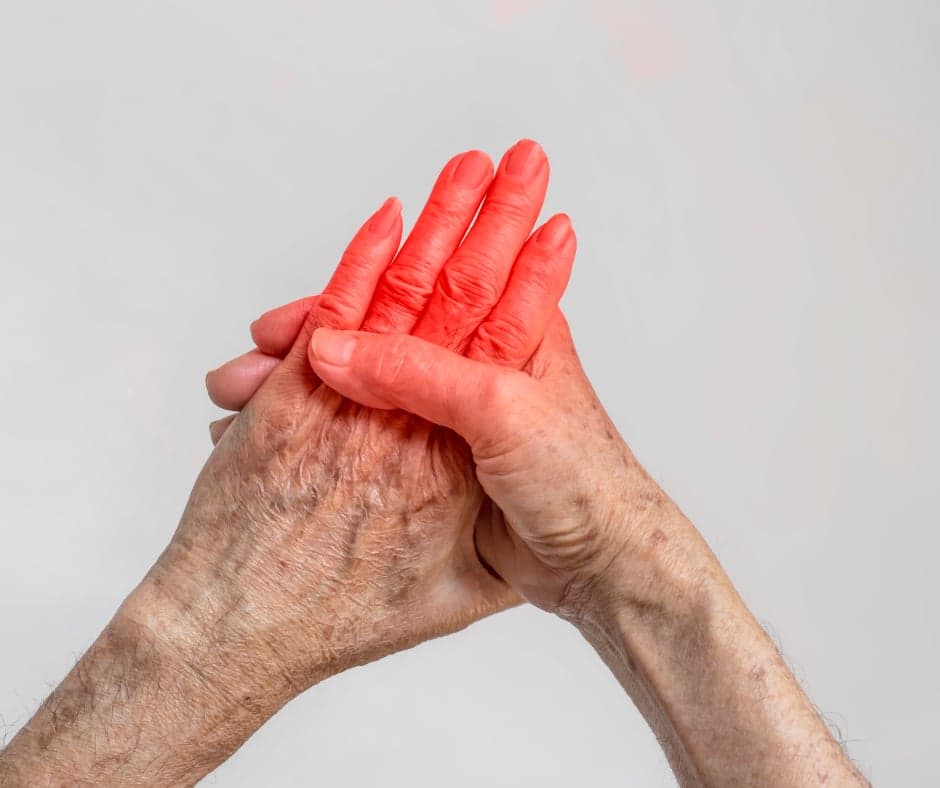
Arthritis is a common condition that affects millions of people, causing pain, stiffness, and inflammation in the joints.
Read article