Work and daily habits
- Prolonged sitting or screen use
- Limited movement breaks
- Repetitive tasks or fixed positions
- Limited movement breaks
- Repetitive tasks or fixed positions
Postural issues refer to how the body is positioned and moves during daily life, work, and activity. Over time, certain postures or habits can place extra strain on muscles and joints, contributing to discomfort, stiffness, or fatigue.
Posture is not about sitting or standing “perfectly”. It is about how well the body tolerates load, moves through different positions, and recovers over time. Understanding what may be contributing to your posture-related symptoms can help guide safe changes, reduce flare-ups, and improve comfort.
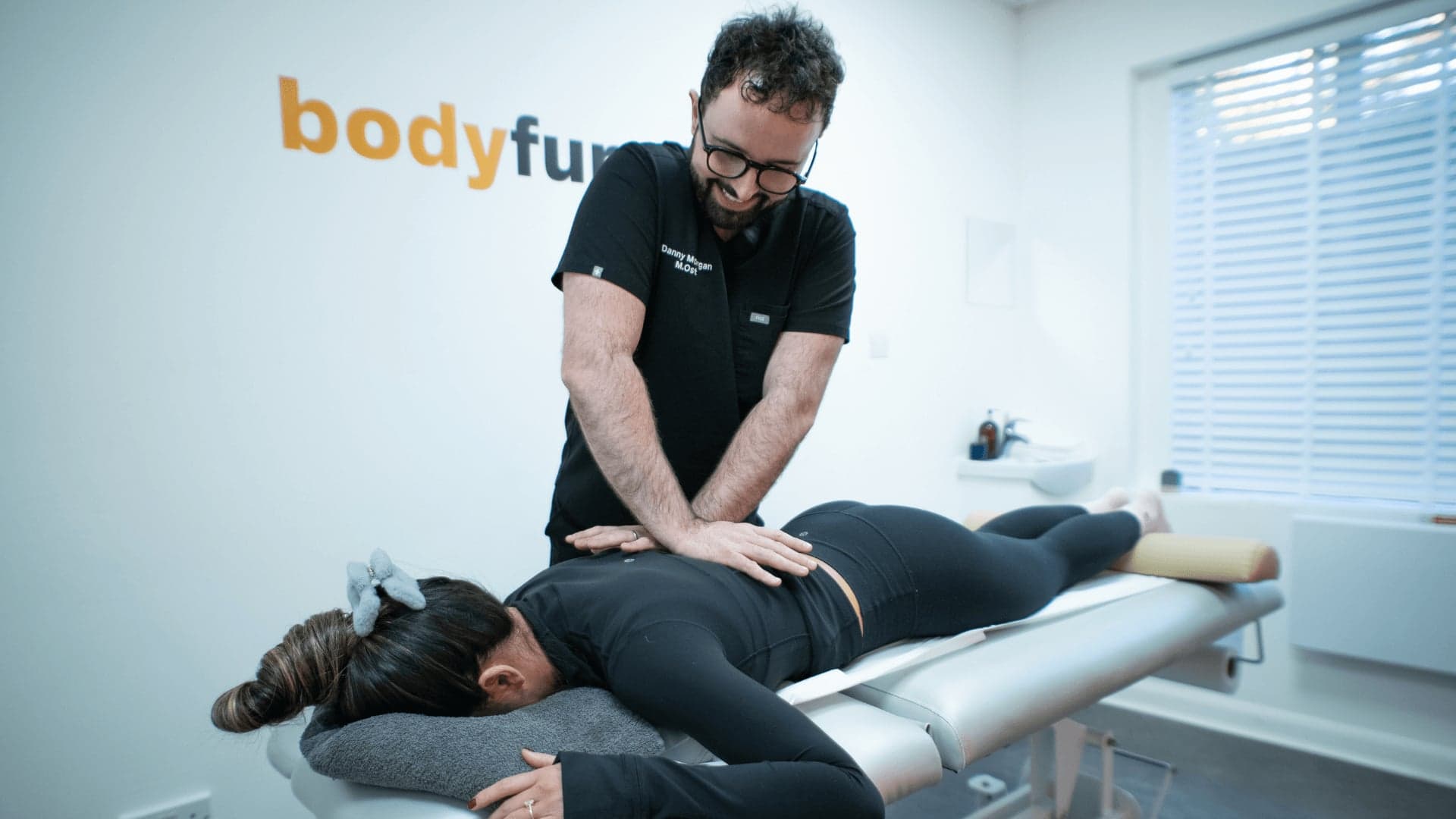
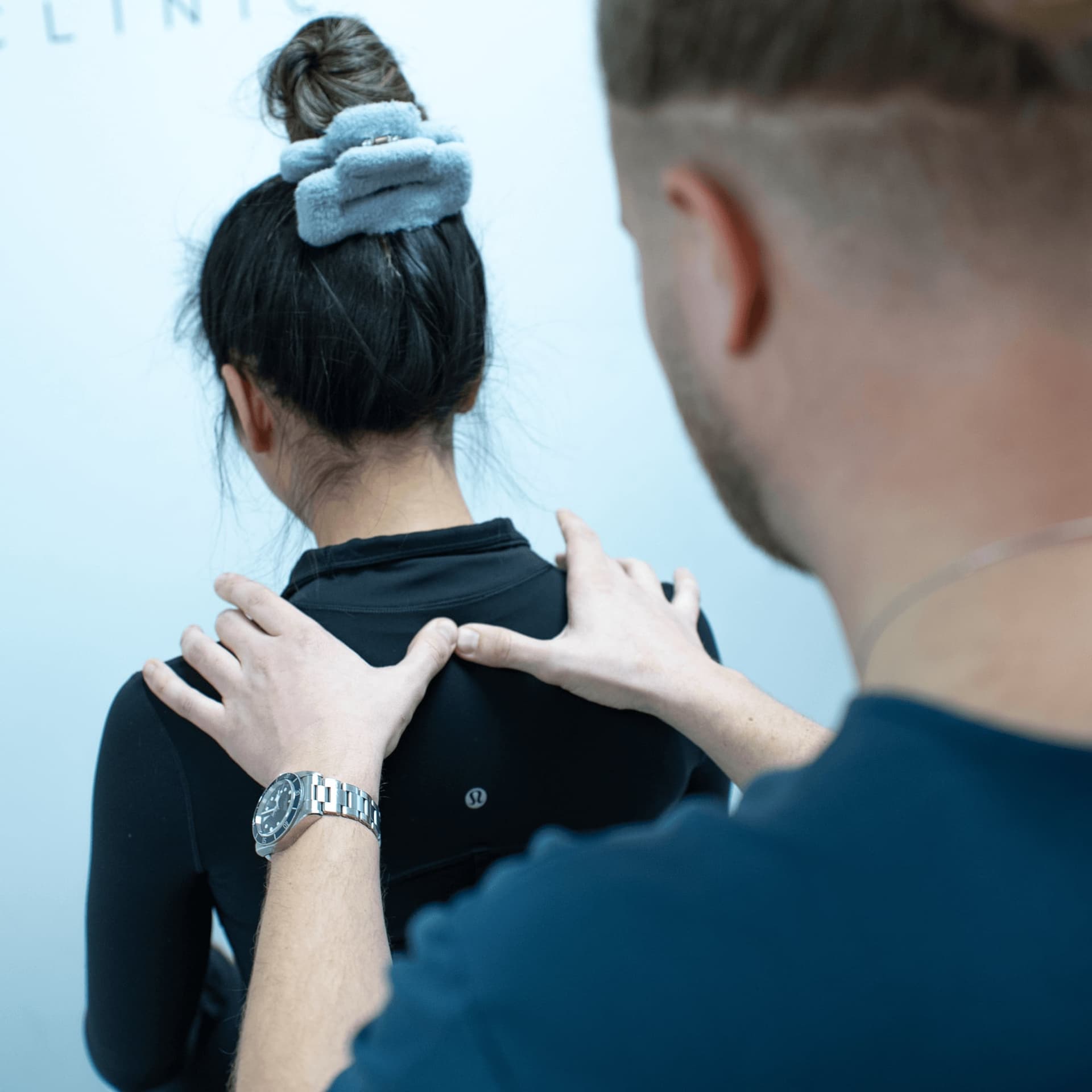
Postural issues describe patterns of alignment or movement that may place repeated strain on certain areas of the body. This can happen during sitting, standing, working at a desk, using screens, or performing repetitive tasks.
Posture is dynamic, not fixed. Everyone moves through different postures during the day, and no single posture is inherently “bad”. Problems tend to arise when the body stays in one position for long periods, when movement options are limited, or when tissues are repeatedly overloaded without enough recovery.
Postural issues may contribute to symptoms in the neck, shoulders, upper back, lower back, and arms, but posture alone is rarely the only cause of pain.
Symptoms vary between individuals, which is why assessment can help identify likely contributing factors.
These are common reasons people book in. If your issue is not listed, that is fine.
Book online or call and we will point you to the most suitable clinician.
Rounded shoulders
Rounded shoulders occur when the shoulders sit forward relative to the body. This is common with desk work, screen use, and prolonged sitting. Over time, muscles at the front of the chest may feel tight, while upper back muscles may fatigue more quickly.
Forward head posture and tech neck
Forward head posture, often referred to as “tech neck”, describes the head sitting forward of the shoulders. This increases the load on the neck and upper back and may be associated with neck pain, stiffness, headaches, or upper back discomfort.
Prolonged sitting posture
Remaining seated for long periods can reduce movement variety and load tolerance. Symptoms may develop gradually and are often influenced by work habits, stress levels, and how often positions change throughout the day.
Postural issues usually develop due to a combination of factors rather than a single cause.
Pregnancy and postnatal changes can also influence how the back and pelvis cope with load and movement.
If this is relevant for you, it is worth mentioning during an assessment so the plan fits your current needs.
Most back pain is not serious, but it is important to recognise red flags.
If you are ever uncertain, it is sensible to speak to a healthcare professional for advice.
These are common reasons people book in. If your issue is not listed, that is fine.
Book online or call and we will point you to the most suitable clinician.
How to improve posture
Improving posture usually involves small, sustainable changes rather than forcing the body into a rigid position.
Consistency matters more than perfection.
Posture exercises
Posture exercises aim to improve movement variety, strength, and endurance rather than “correcting” posture.
Important: Exercises should feel controlled and comfortable. Stop if you experience sharp pain, worsening symptoms, or neurological symptoms such as numbness or weakness.
Examples include:
A small number of exercises performed regularly is usually more helpful than complex routines.
Treatment focuses on understanding what is contributing to symptoms and supporting the body’s ability to tolerate load.
Treatment is tailored to symptoms, goals, and how the body responds over time.
Our approach starts with understanding your pain, your routine, and what you want to return to.
Treatment is tailored and reviewed as you progress.
If posture is contributing to neck, back, or shoulder tension, a focused assessment can help. We will review how you sit, stand, and move, then recommend the right mix of hands-on treatment, exercises, and practical set-up changes.
Postural issues refer to how body positions and movement habits may contribute to discomfort or strain over time.
No. Movement variety and load tolerance are more important than holding a single “ideal” position.
Posture can contribute to symptoms, but pain is usually influenced by multiple factors.
Gradual changes, regular movement, and simple exercises are often more effective than forcing posture.
Symptoms often improve with movement changes, exercises, and reduced strain.
An assessment can help identify contributing factors and guide appropriate management.
Complete rest is rarely needed. Adjusting activity and seeking guidance is often more helpful.
From the blog
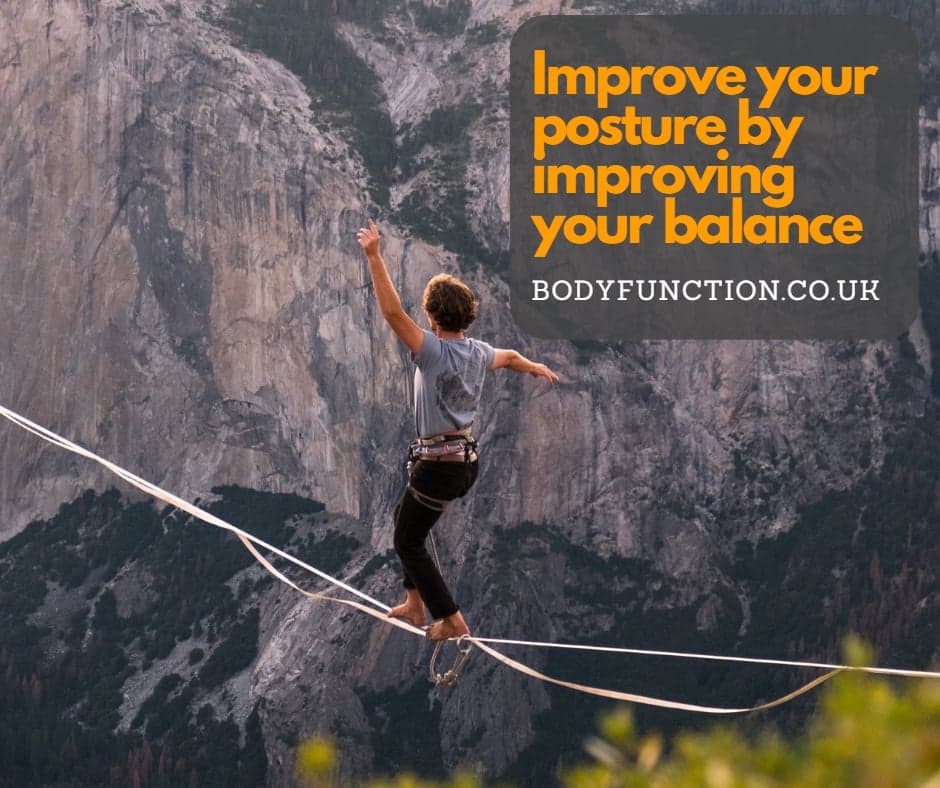
How to Improve Posture | Although I often talk about posture, I talk less about the aspect of good posture, which is balance.
Read article
It’s no secret that a bad workstation can cause back pain and other health problems. But it’s not always easy to know how to fix the problem.
Read article