
Overuse and repetition
- Repetitive gripping or lifting
- Prolonged typing or mouse use
- Repeated wrist or finger movements
- Prolonged typing or mouse use
- Repeated wrist or finger movements
Elbow, wrist and hand pain are common and can affect everyday activities such as lifting, gripping, typing, exercising, or sleeping. Symptoms may appear suddenly after an injury or develop gradually due to repetitive use, changes in workload, or reduced recovery.
Most cases are manageable with the right approach. Understanding what may be contributing to your symptoms helps guide safe recovery, reduce flare-ups, and support a confident return to activity.
Book an assessment to understand what’s driving your elbow, wrist or hand pain and what to do next.
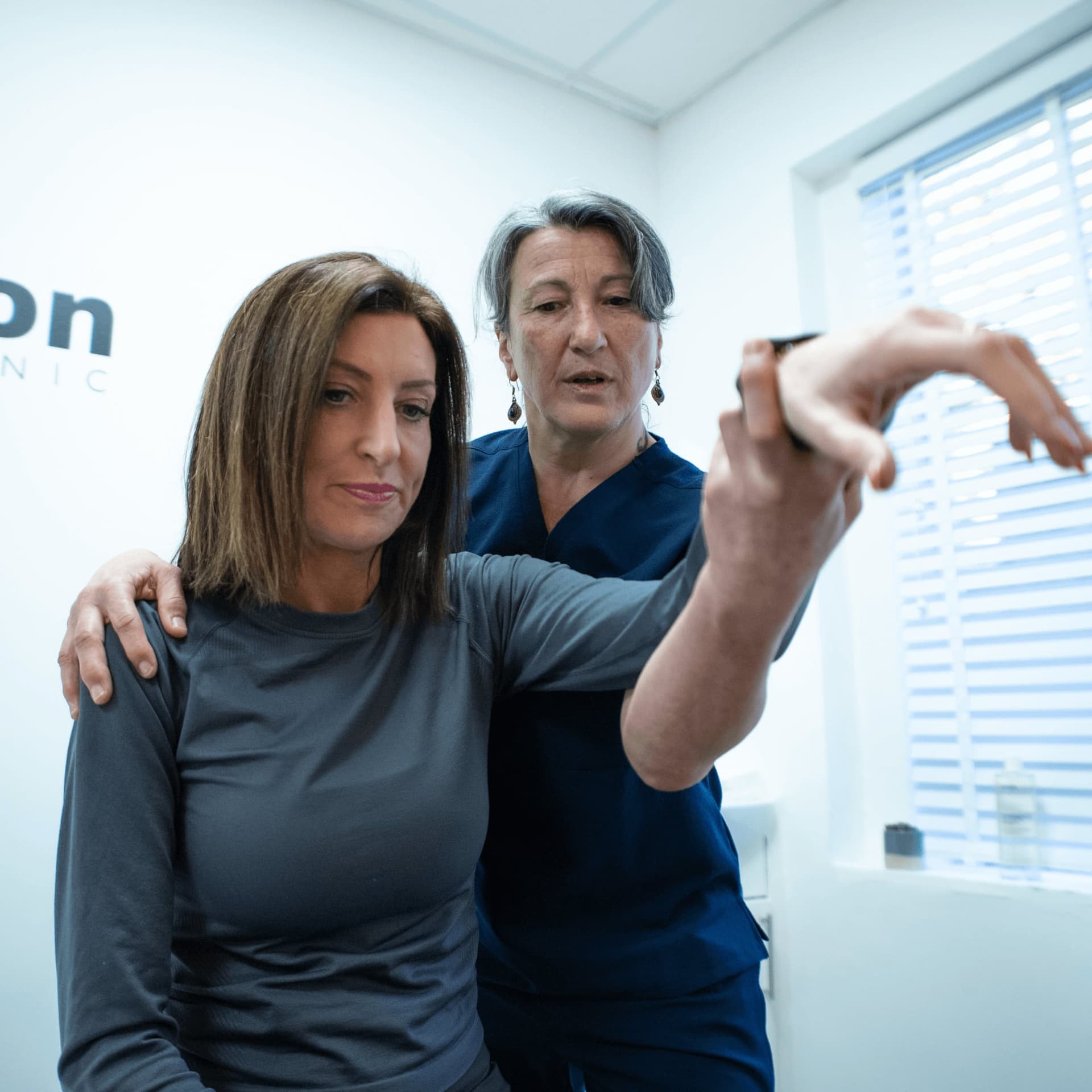
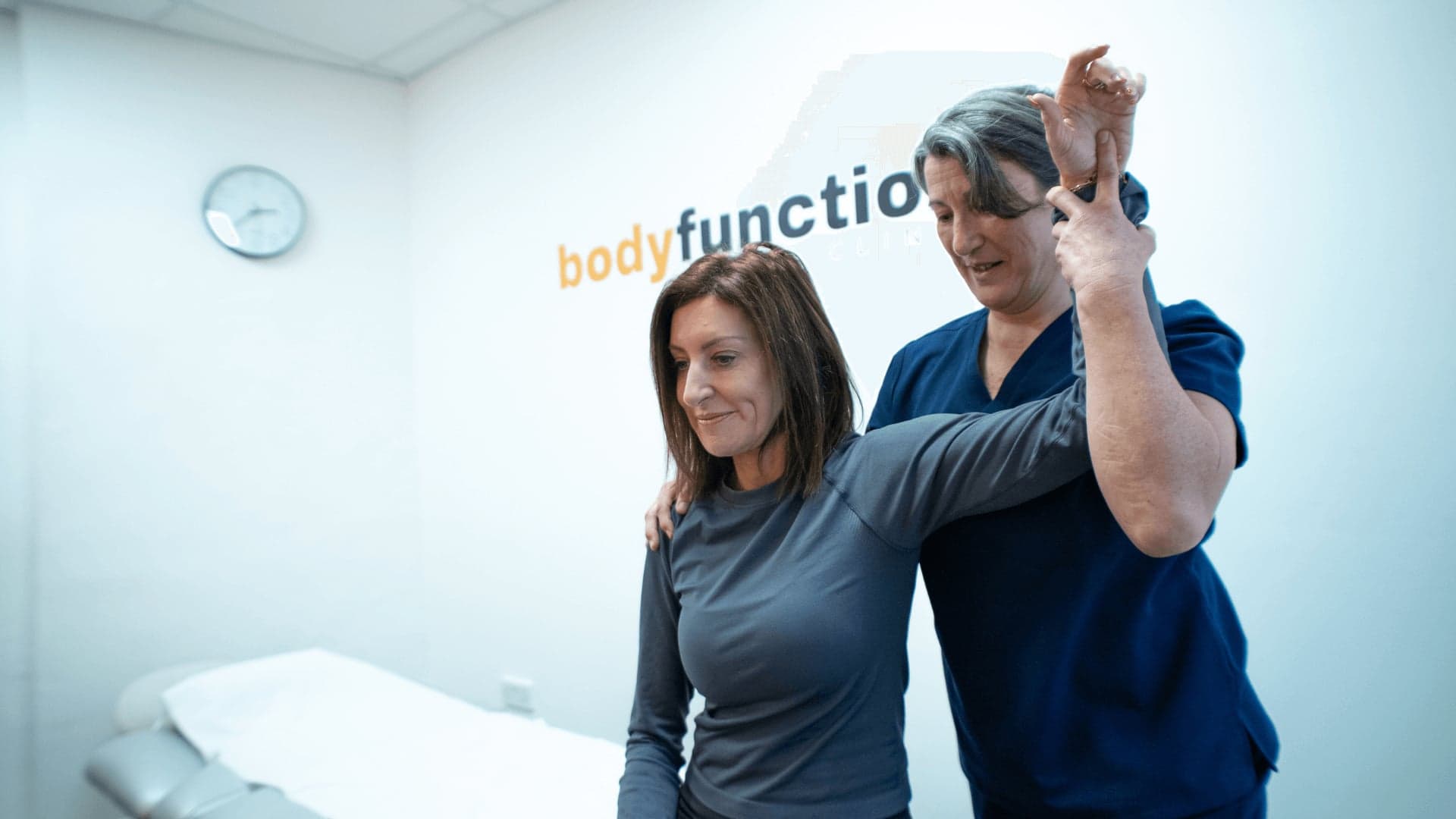
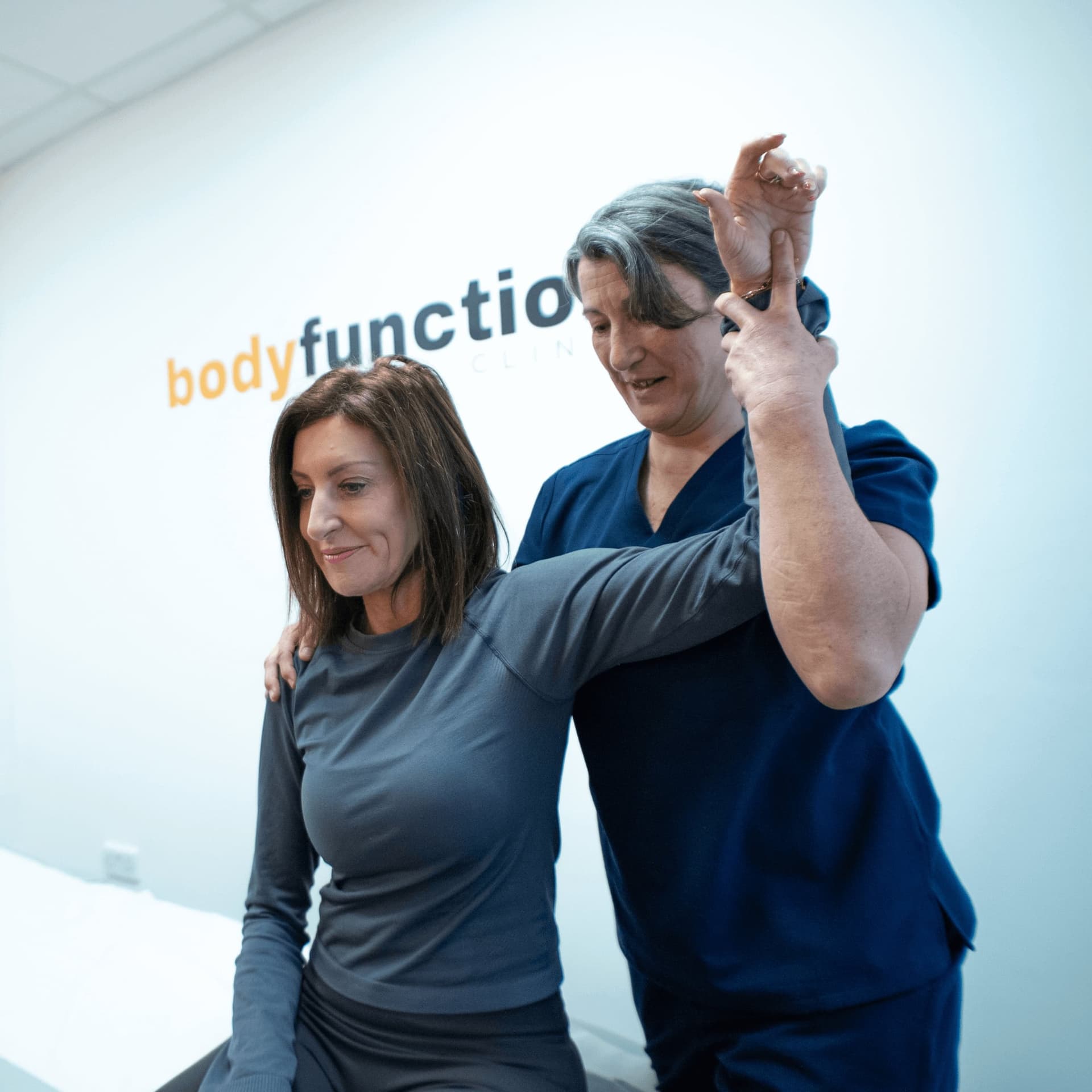
Elbow, wrist and hand pain refers to discomfort, stiffness, weakness, or altered sensation affecting the arm from the elbow down to the fingers. Pain may involve muscles, tendons, joints, nerves, or surrounding soft tissues.
Symptoms may follow an acute injury, such as a strain or impact, or develop gradually due to overuse and repetitive movements. In many cases, pain is influenced by a combination of activity levels, load, posture, strength, and recovery rather than a single cause.
Symptoms vary between individuals, which is why assessment can help clarify likely contributors.
Elbow pain is often linked to repetitive gripping, lifting, or wrist movements, but can also follow trauma or sudden changes in activity.
Terms such as “tennis elbow” or “golfer’s elbow” are often used to describe tendon-related elbow pain. These labels describe symptom patterns rather than a single diagnosis, and symptoms can overlap.
Wrist pain may affect one or both wrists and is commonly linked to repetitive use, desk work, exercise, or weight-bearing through the hands.
Wrist pain may involve joints, tendons, or nerve sensitivity and often responds well to conservative management.
Hand pain can affect grip strength, dexterity, and fine motor tasks and may involve the palm, fingers, or thumb.
Some hand symptoms overlap with nerve-related conditions, which is why reassurance and appropriate assessment are important.
These terms are commonly used to describe patterns of elbow, wrist or hand pain. They are included for understanding rather than diagnosis.
Recognising red flags helps ensure timely care.
Medication advice should be discussed with a pharmacist or GP.
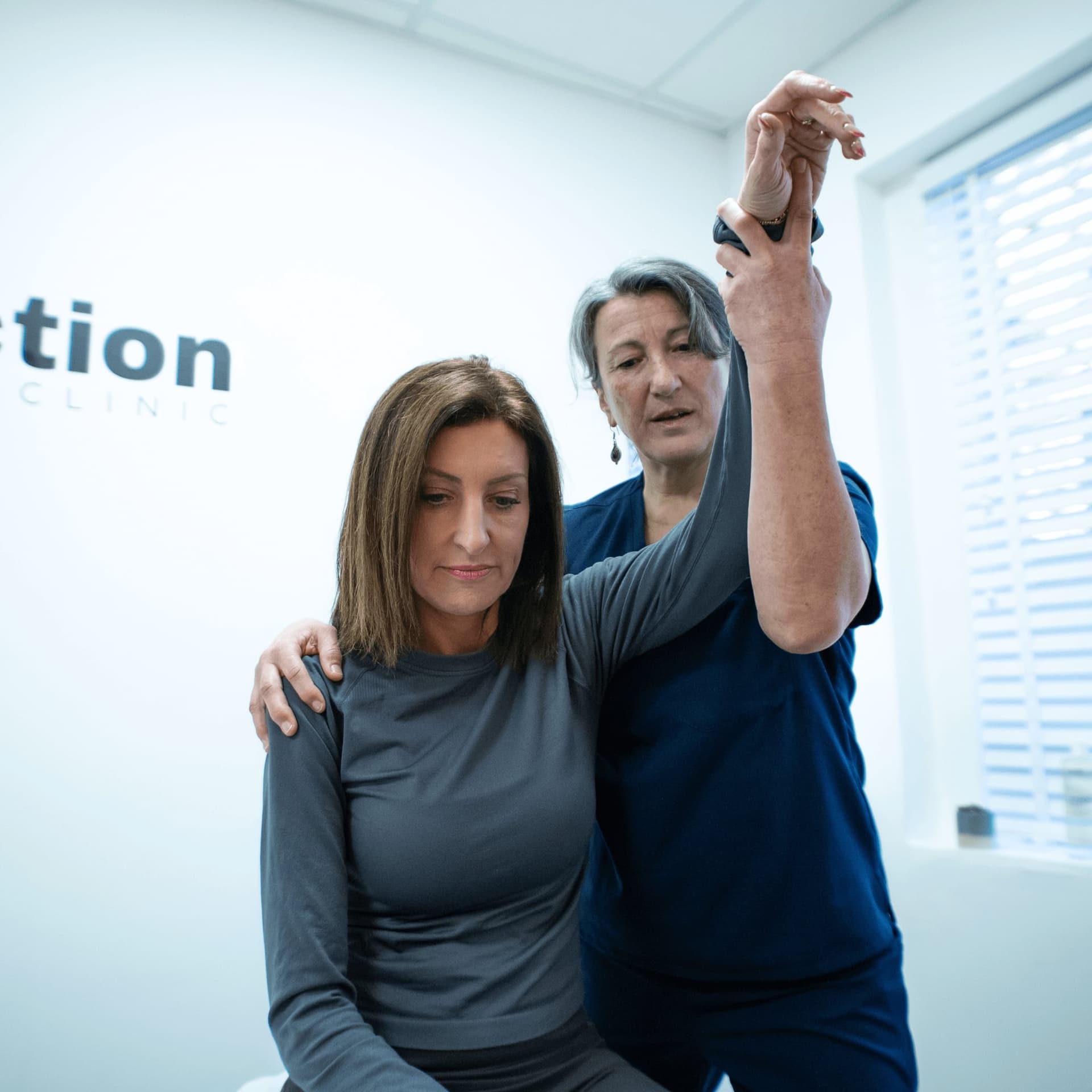
Treatment is guided by symptoms, goals, and how the body responds over time.
Our approach starts with understanding your pain, your routine, and what you want to return to.
Treatment is tailored and reviewed as you progress.
If elbow, wrist or hand pain is affecting your work, exercise, or confidence in movement, assessment can help clarify what’s driving it and what to do next.
Often a combination of load, repetition, strength, posture, and recovery factors.
Many conditions can cause similar symptoms. Assessment helps clarify likely contributors.
Complete rest is rarely needed. Modifying activity is often more helpful.
Recovery varies depending on symptoms and management approach.
Imaging is not always necessary and is only recommended when appropriate.
Physiotherapy is often helpful for rehabilitation and safe return to activity.
Osteopathy may help by improving movement and reducing strain in contributing areas.
