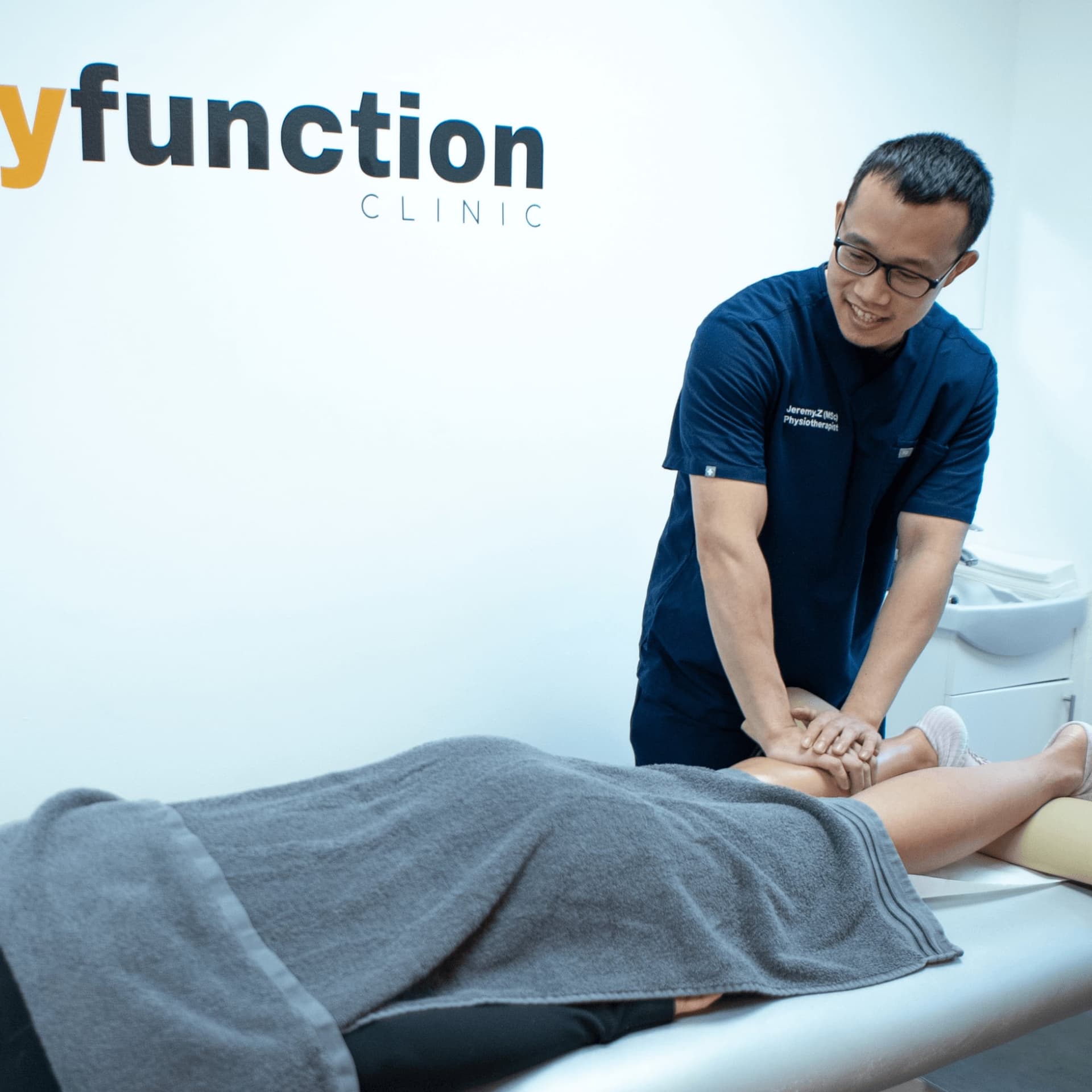
Lower back pain can make even simple movements feel difficult. Sitting, standing, walking, getting out of bed, training, driving, and working at a desk can all become uncomfortable when the lower back is irritated.
The right exercises can help many people reduce stiffness, rebuild confidence, and return to normal activity. The wrong exercises, or exercises done too aggressively, can sometimes make symptoms worse. This guide explains gentle physiotherapy exercises for lower back pain, when they may help, when to stop, and when a professional assessment is the safest next step.
This article is general advice only. It does not replace a clinical assessment, diagnosis or personalised treatment plan.
Quick Answer: What Exercises Help Lower Back Pain?
Gentle mobility exercises, light stretching, and gradual strengthening exercises can help in many cases of lower back pain. Common options include knee rolls, knee hugs, cat-cow, pelvic tilts, glute bridges, and bird dog exercises.
The best exercise depends on your symptoms, how irritable your back is, and whether pain is localised or spreading into the hip, groin or leg.
Common Lower Back Pain Exercises
| Exercise | Main Purpose | Often Useful When |
|---|---|---|
| Knee Rolls | Gentle rotation and mobility | The lower back feels stiff or guarded. |
| Knee Hugs | Gentle stretch through the lower back and hips | The back feels tight after sitting or lying down. |
| Cat-Cow | Controlled spinal movement | You feel stiff and need a low-load movement option. |
| Pelvic Tilts | Control and awareness of lower back movement | You struggle to move the lower back without bracing. |
| Glute Bridges | Hip and glute strengthening | Symptoms are linked to weakness, prolonged sitting, or poor load tolerance. |
| Bird Dog | Trunk control and coordination | You are ready for a controlled strengthening exercise. |
| Modified Side Plank | Side trunk and hip support | You need gradual core and hip strength without heavy loading. |
Before You Start: When Exercises May Not Be Right for You
Lower back pain is common, and in many cases it improves with time, movement and sensible self-management. However, exercise is not always the right first step.
Stop exercising and seek urgent medical advice if you have lower back pain with:
- New bladder or bowel changes
- Numbness around the genitals or anus
- Weakness or numbness in both legs
- Pain after a serious accident
- Fever
- Unexplained weight loss
- Severe and constant pain at night
You should also seek professional advice before starting exercises if your pain is:
- Rapidly worsening
- Spreading below the knee with increasing pins and needles
- Linked with significant groin pain
- Accompanied by nausea, dizziness, abdominal pain or feeling generally unwell
Mild muscular discomfort during a new exercise can happen. Sharp pain, increasing nerve symptoms, worsening groin pain, or pain that is worse the next morning are signs to stop and get advice.
How to Choose the Right Exercise for Your Symptoms
There is no single best exercise for every case of lower back pain. A movement that helps one person may irritate another person, especially when symptoms are acute or sensitive.
A useful starting point is to choose exercises that make you feel looser, calmer or more confident during or shortly after doing them. Avoid forcing range of movement. The goal is not to stretch as far as possible. The goal is to find a comfortable entry point back into movement.
General Guidelines
- If your back feels stiff and guarded, start with gentle mobility exercises.
- If your pain improves once you move, short, frequent movement sessions may work better than one long session.
- If your pain is linked with sitting, include hip and glute strengthening gradually.
- If symptoms travel into the groin, hip or leg, avoid guessing and consider an assessment.
- If any exercise increases pain significantly, stop and change the approach.
Gentle Mobility Exercises for Early Lower Back Pain
These exercises are designed as gentle starting points. They are not meant to be aggressive stretches. Move slowly, breathe normally and stay within a comfortable range.
1. Knee Rolls
Knee rolls are a gentle way to introduce rotation through the lower back and hips. They are often used when the back feels stiff after sitting, sleeping or resting.
How to Do It
- Lie on your back with your knees bent and feet flat on the floor.
- Keep your shoulders relaxed.
- Slowly let both knees roll a small distance to one side.
- Return to the centre.
- Roll to the opposite side.
- Repeat 8–12 times on each side.
Tip: Do not force your knees to the floor. A small movement is enough, especially if your back is sensitive.
2. Knee Hugs
Knee hugs can help reduce tension through the lower back and hips.
How to Do It
- Lie on your back with your knees bent.
- Bring one knee slowly towards your chest.
- Hold behind the thigh or around the shin.
- Hold for 10–20 seconds.
- Lower the leg and repeat on the other side.
- Repeat 2–4 times on each side.
Tip: If bringing one knee up causes groin pain, hip pinching or leg symptoms, reduce the range or stop.
3. Cat-Cow
Cat-cow helps restore controlled movement through the spine.
How to Do It
- Start on your hands and knees.
- Gently round your back upwards like a cat.
- Slowly soften the spine in the opposite direction.
- Move only through a comfortable range.
- Repeat 8–10 times.
Tip: This should feel like a smooth movement exercise, not a stretch you need to push into.
4. Child’s Pose / Bottom-to-Heels Stretch
This movement can help ease tension through the lower back, hips and shoulders.
How to Do It
- Start on your hands and knees.
- Gently move your bottom back towards your heels.
- Let your arms reach forward.
- Hold for 10–20 seconds.
- Return slowly to the starting position.
- Repeat 3–5 times.
Tip: Place a cushion between your hips and heels if needed. Stop if the position causes sharp pain or symptoms in the leg.
Strengthening Exercises for Lower Back Pain
Once the back is less irritable, strengthening can help restore confidence and load tolerance.
5. Pelvic Tilts
How to Do It
- Lie on your back with knees bent and feet flat.
- Gently flatten your lower back towards the floor.
- Return to a neutral position.
- Keep the movement small and relaxed.
- Repeat 8–12 times.
6. Glute Bridges
How to Do It
- Lie on your back with knees bent and feet hip-width apart.
- Tighten your buttock muscles gently.
- Lift your hips a small distance from the floor.
- Keep your ribs relaxed.
- Pause briefly.
- Lower slowly.
- Start with 6–8 repetitions.
7. Bird Dog
How to Do It
- Start on your hands and knees.
- Gently brace your trunk.
- Slide one leg backwards.
- Lift it slightly if comfortable.
- Optionally reach the opposite arm forward.
- Hold for 3–5 seconds.
- Return and repeat 5–8 times per side.
8. Modified Side Plank
How to Do It
- Lie on your side with knees bent.
- Prop yourself on your forearm.
- Keep shoulders, hips and knees aligned.
- Lift your hips slightly.
- Hold for 5–10 seconds.
- Lower slowly.
- Repeat 3–5 times per side.
Exercises for Lower Back Pain That Travels to the Groin or Hip
Lower back pain that travels into the groin or hip needs more care than simple local back stiffness.
The source may be the lower back, hip joint, pelvis, muscles around the groin, or a combination of several areas.
If your lower back pain is accompanied by groin pain, avoid aggressive stretching into the hip. Deep lunges, strong hip flexor stretches and forced knee-to-chest movements can sometimes irritate the area.
Gentler options may include:
- Knee rolls
- Pelvic tilts
- Short walks
If pain is sharp, persistent, worsening or limiting walking, a professional assessment is recommended.
How Often Should You Do These Exercises?
For mild lower back pain, a small amount of movement done regularly is often better than one long session.
Simple Starting Plan
- Knee Rolls: 8–12 repetitions each side
- Pelvic Tilts: 8–12 repetitions
- Knee Hugs: 2–4 gentle holds each side
- Optional Walk: 5–15 minutes if comfortable
If symptoms improve, gradually add strengthening exercises such as glute bridges and bird dog.
When Exercises Are Not Enough
Exercises can be helpful, but they are not a substitute for assessment when symptoms persist or keep returning.
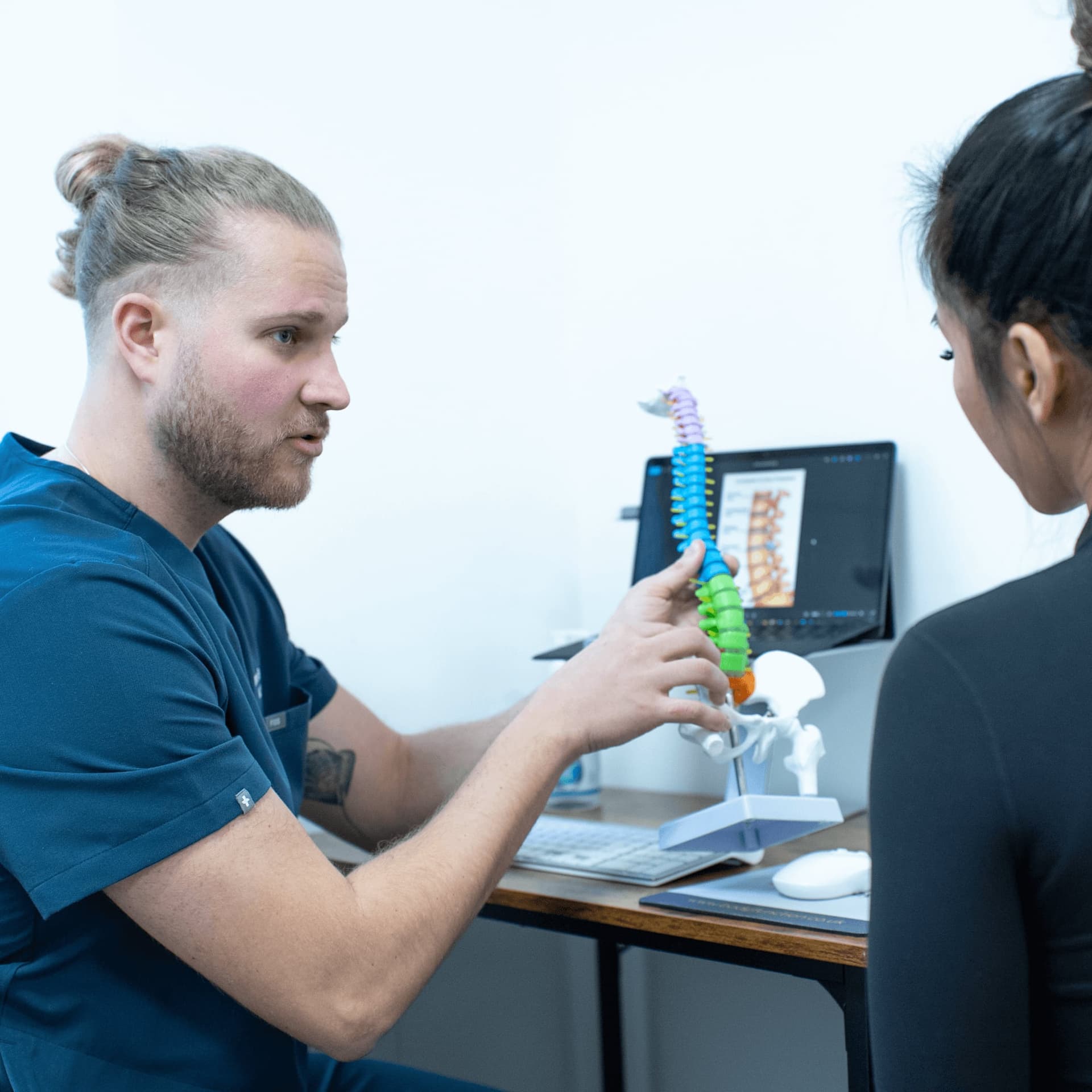
A professional assessment can help answer questions such as:
- Is the pain mainly coming from the lower back, hip, pelvis or surrounding muscles?
- Are there signs of nerve irritation?
- Which movements are safe to continue?
- Which exercises should be avoided for now?
- What needs to be strengthened, mobilised or modified?
- Do symptoms suggest the need for GP review or further investigation?
Physiotherapy and Osteopathy Support in Islington
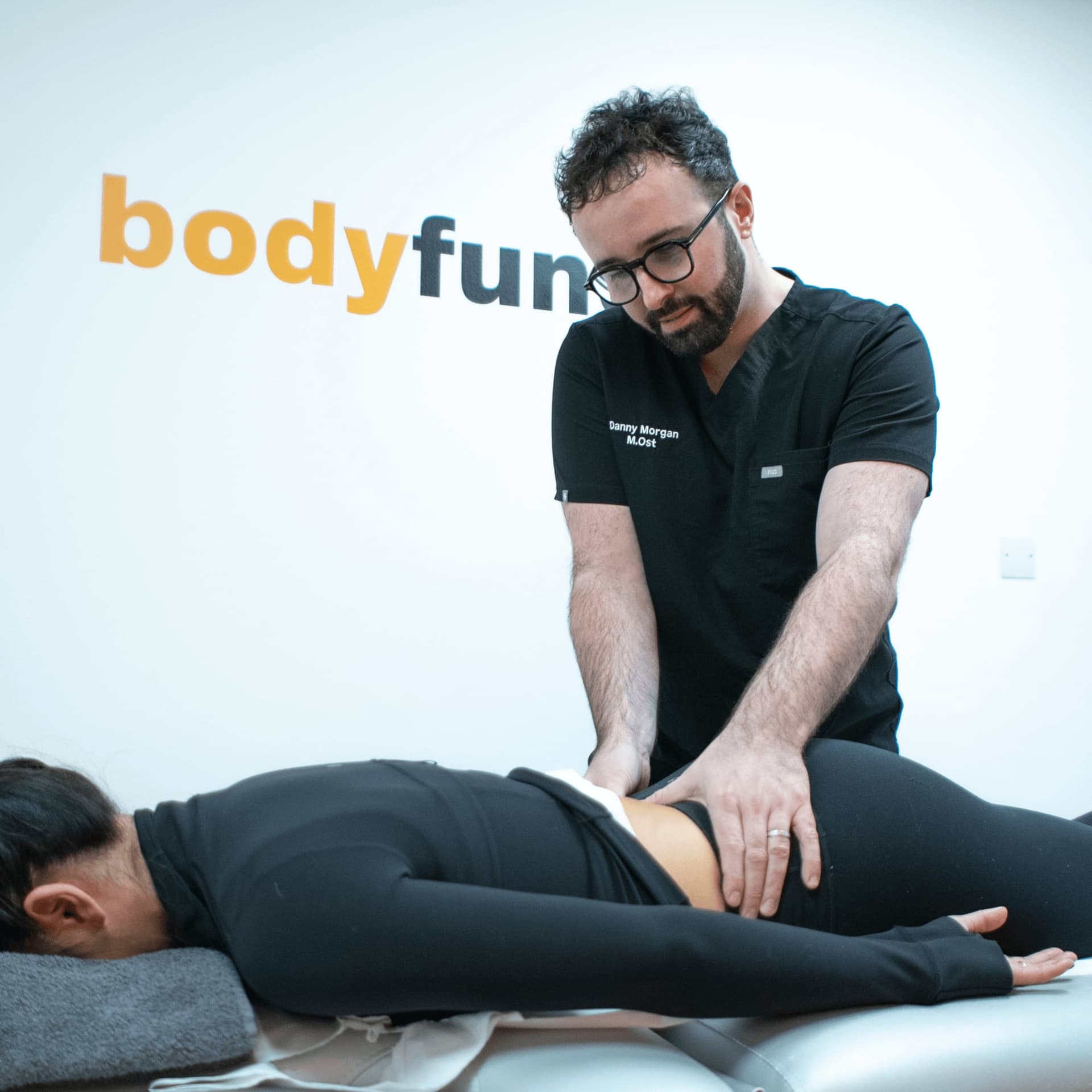
If you are looking for help with lower back pain in Islington, BodyFunction Clinic provides assessment-led osteopathy in Islington and physiotherapy for pain, injury and movement problems.
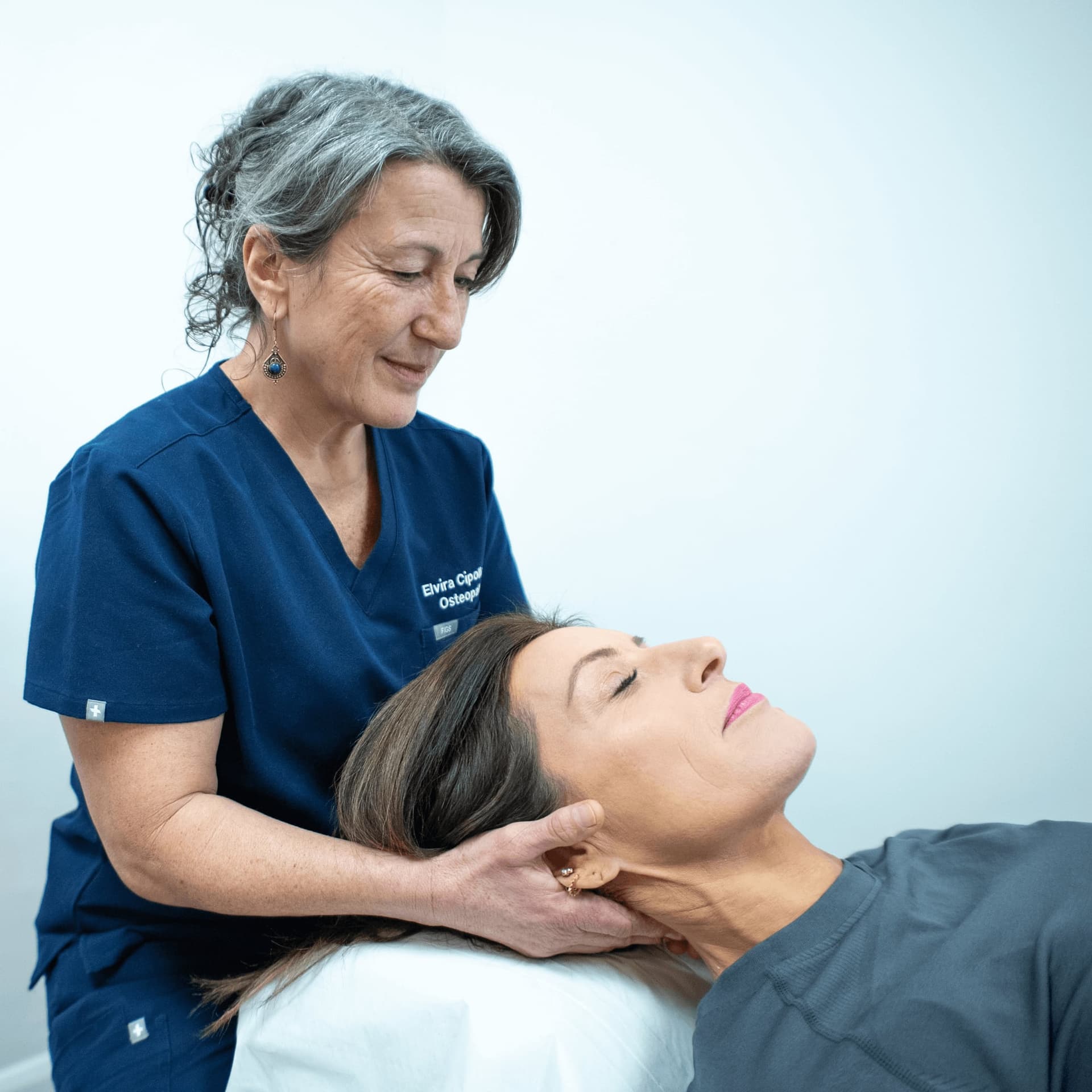
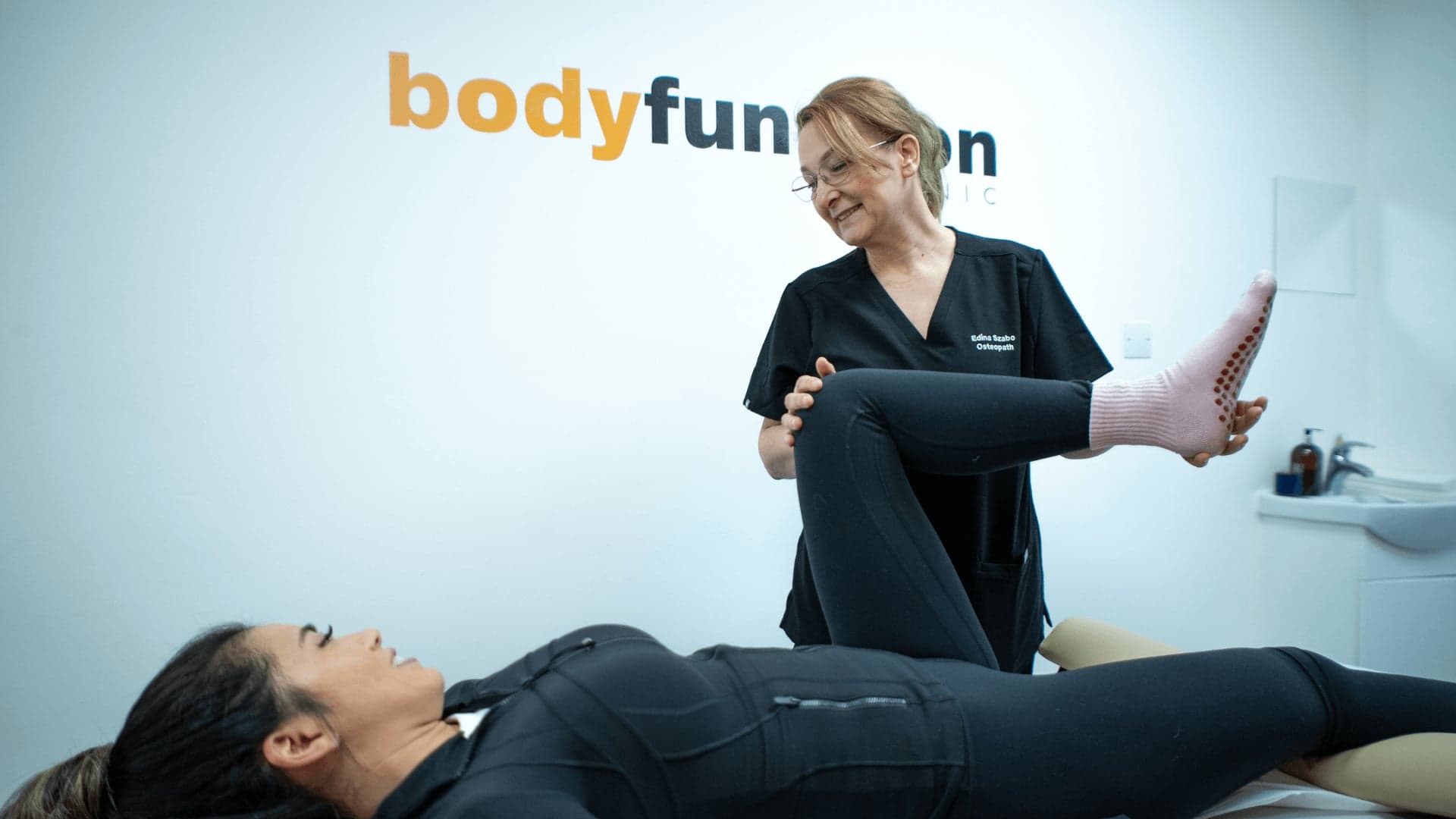
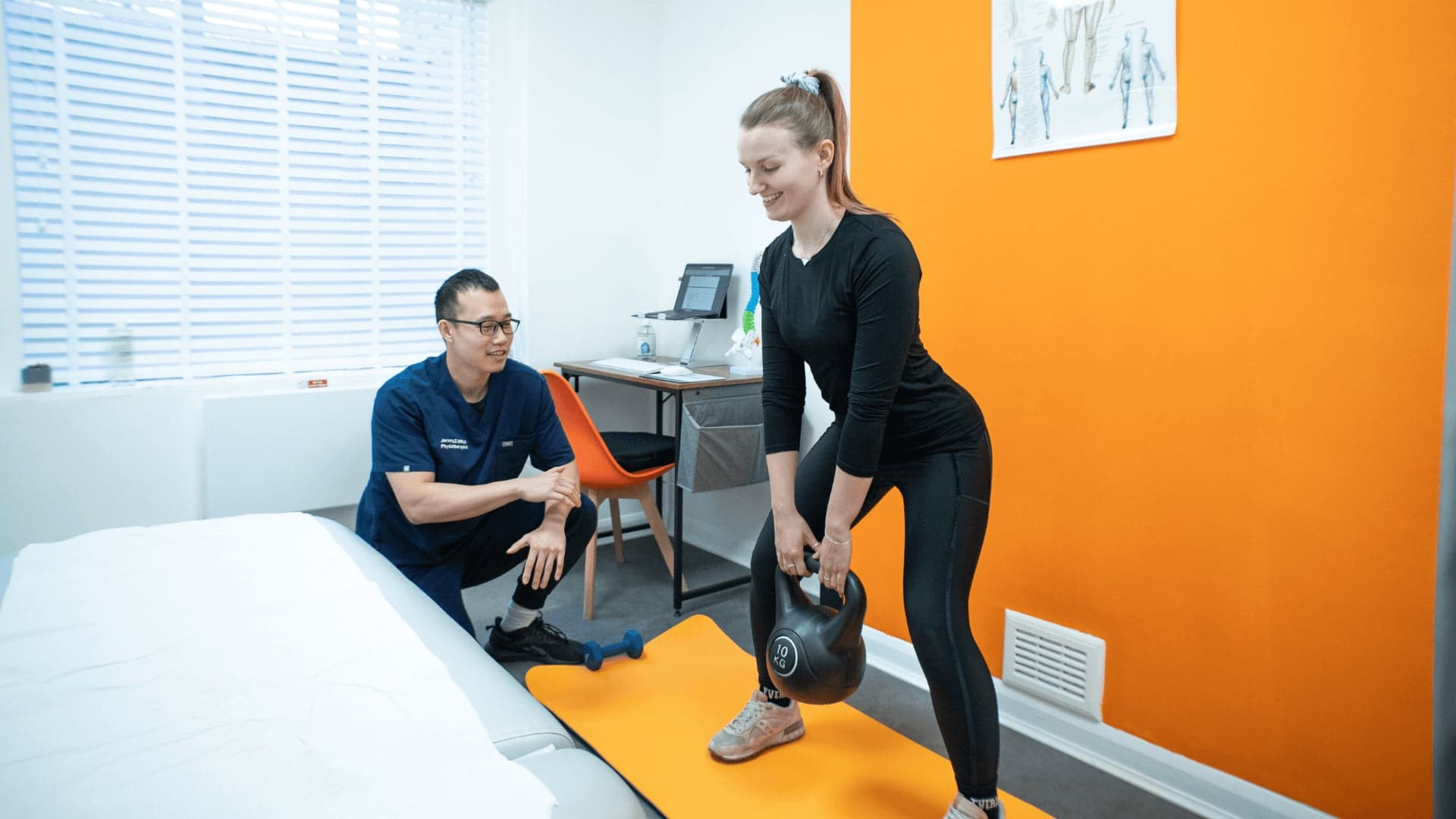
The clinic’s approach focuses on understanding what is contributing to your symptoms and helping you move more confidently again. Treatment may include manual therapy, rehabilitation exercises, movement advice and a plan tailored to your goals.
BodyFunction Clinic is based at 10 Barnsbury Road, London N1 0HB, serving people from Islington, Angel, Barnsbury, Highbury, King’s Cross and nearby areas.
If your lower back pain is not settling, keeps returning, or is linked with hip, groin or leg symptoms, booking an assessment can help you understand the next safe step.
Frequently Asked Questions
Common physiotherapy exercises for lower back pain include knee rolls, knee hugs, cat-cow, pelvic tilts, glute bridges and bird dog exercises.
Many people need a combination of gentle mobility, stretching and strengthening.
Yes. Exercises can make symptoms worse if they are too intense, performed too soon, or not suited to your symptoms.
A short routine once or twice a day is often a sensible starting point.
Avoid exercises that cause sharp pain, increase leg symptoms, worsen groin pain or leave you significantly worse afterwards.
Not always. Persistent or recurring lower back pain often requires a plan that includes strength, movement habits and load management.
Physiotherapy can help many people by improving movement, building strength and supporting recovery.
Osteopathy may help through hands-on treatment, movement assessment and tailored advice.
Avoid forcing stretches and consider an assessment, especially if symptoms are persistent, sharp or affecting walking.
Seek professional advice if your pain is severe, worsening, lasting more than a few weeks, affecting sleep or work, or associated with leg symptoms, groin pain, weakness, numbness or other red flag symptoms.