
Type “osteopath near me” into Google and you’ll get a list ranked mostly by distance and star ratings. That’s a reasonable starting point, but it doesn’t tell you much about whether a particular osteopath is right for your back, your neck, or whatever brought you to the search in the first place.
This guide covers what’s actually worth checking before you book: registration, experience with your specific complaint, what a first appointment looks like, and how to tell a clinic that’s genuinely good from one that has a well-optimised website.
What Does an Osteopath Actually Treat?
Osteopathy focuses on the musculoskeletal system: the joints, muscles, ligaments, and connective tissue that allow you to move effectively.
People most commonly see an osteopath for:
- Back pain
- Neck pain
- Shoulder problems
- Sports injuries
- Postural strain from desk work
- General joint stiffness
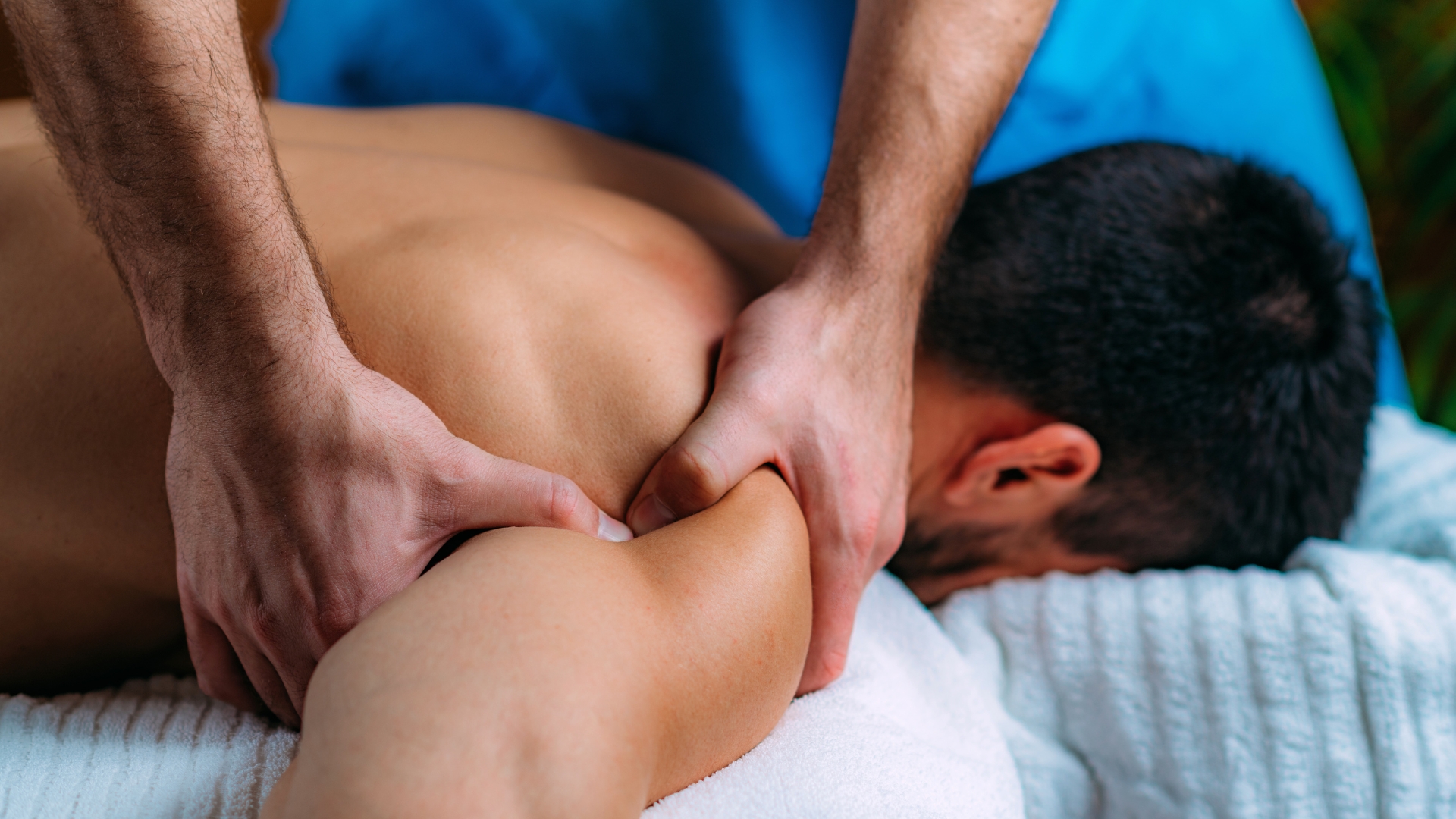
Osteopaths use hands-on techniques, including:
- Soft tissue massage
- Joint mobilisation
- Manipulation (when appropriate)
- Movement and posture advice
- Rehabilitation exercises
It’s worth understanding this before searching for an osteopath near you, as it helps determine whether osteopathy is the right treatment option compared with physiotherapy or chiropractic care, which may take different approaches to similar conditions.
Is Your Osteopath Properly Registered?
In the UK, “osteopath” is a protected title. Anyone using it legally must be registered with the General Osteopathic Council (GOsC).
Registration means the practitioner has:
- Completed a recognised degree-level qualification
- Maintained professional indemnity insurance
- Met professional standards of practice
You can verify any osteopath’s registration through the General Osteopathic Council Public Register.
While it may seem like a formality, checking registration is the quickest way to confirm you’re seeing a properly qualified osteopath. If a clinic’s website doesn’t clearly display registration information, it’s worth investigating further before booking.
What Happens at a First Appointment?
A first osteopathy appointment is usually longer than a follow-up session, often lasting between 45 minutes and one hour.
During your initial consultation, the osteopath will:
- Take a full case history
- Discuss your symptoms and medical background
- Ask what makes your condition better or worse
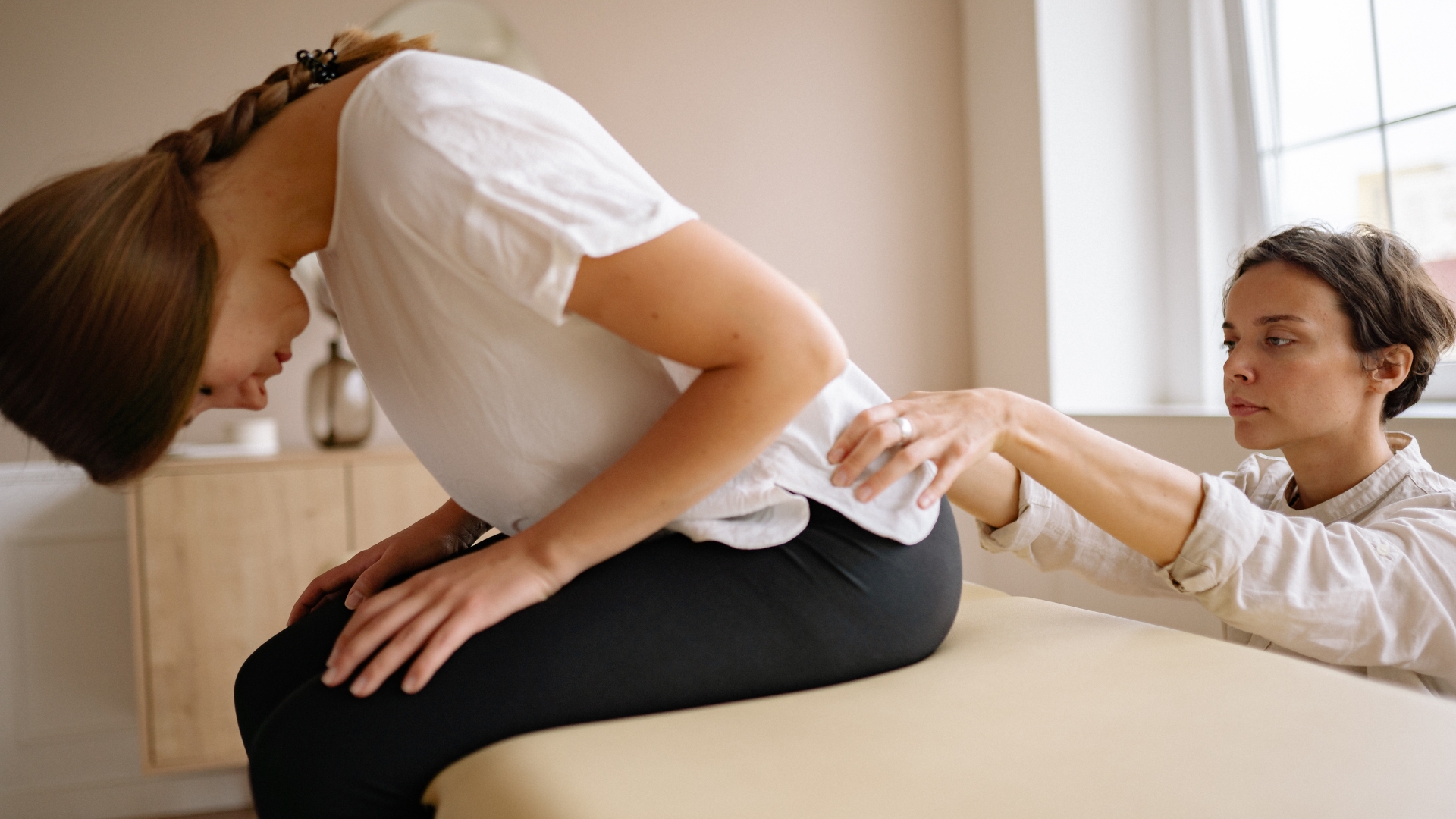
- Assess your movement and posture
- Perform a hands-on examination
- Begin treatment where appropriate
Most patients leave their first appointment with:
- A clearer understanding of their condition
- Initial treatment completed
- Advice on managing symptoms
- A recommended treatment plan
You should leave with a practical explanation of what’s happening and the next steps, not simply a bill.
How to Judge a Local Clinic Before You Book
When comparing osteopathy clinics, consider the following:
Registration
Ensure the osteopath is GOsC-registered and listed on the public register.
Relevant Experience
Look for clinics that discuss experience with your specific condition rather than making broad claims about treating everything.
Transparency
Treatment prices should be easy to find online without needing to call the clinic.
Accessibility
Consider whether the clinic is realistically convenient for weekday evenings or weekend appointments, not simply close on a map.
Detailed Reviews
Read reviews carefully. The most useful reviews explain:
- What condition was treated
- How treatment helped
- The overall patient experience
These provide far more insight than star ratings alone.
Why “Near Me” Still Matters, Even If a Great Osteopath Is Further Away
Distance matters because osteopathy is rarely a one-off treatment.
Many treatment plans involve several follow-up appointments over several weeks. Even a highly recommended clinic can become impractical if travelling there regularly is difficult.
A location that seems only slightly inconvenient can lead to missed appointments once symptoms begin to improve, potentially affecting long-term recovery.
For people searching from Islington, Angel, Highbury, or the wider N1 area, choosing a clinic that’s genuinely easy to reach can make a significant difference to treatment consistency.
BodyFunction’s Islington clinic was established with exactly this in mind: a professional, GOsC-registered practice that’s accessible for residents and designed to support ongoing care.
Frequently Asked Questions
Check the General Osteopathic Council Public Register. Every legally practising osteopath in the UK must be registered with the UK Register, which confirms their qualifications and professional status.
NHS access to osteopathy varies significantly between regions and is limited in many parts of the UK.
Most people access osteopathy through private clinics. If NHS treatment is important to you, speak with your GP surgery about local referral options and availability.
All three are regulated healthcare professions in the UK.
Osteopaths
Typically take a whole-body approach, focusing on how joints, muscles, and connective tissues work together. Treatment often combines hands-on techniques with movement and lifestyle advice.
Physiotherapists
Often focus more heavily on rehabilitation, exercise therapy, and recovery following injury or surgery.
Chiropractors
Frequently place greater emphasis on spinal assessment and adjustment techniques.
There is considerable overlap between these professions, and the best choice often depends on the practitioner’s experience with your specific condition rather than their title alone.
Treatment length depends on the nature and severity of your condition.
A straightforward acute strain may improve within a few sessions, while chronic or long-standing issues often require a longer treatment programme.
A good osteopath will continually review your progress rather than prescribing a fixed package of sessions from the outset.
Bring:
Loose, comfortable clothing
A list of current medications
Relevant scan reports or medical records (if available)
This information can help your osteopath gain a clearer understanding of your condition.
Book an Osteopath in Islington
If you’re looking for a registered osteopath in Islington who takes the time to explain your condition and treatment options, visit our Islington clinic page to learn more or book an appointment.