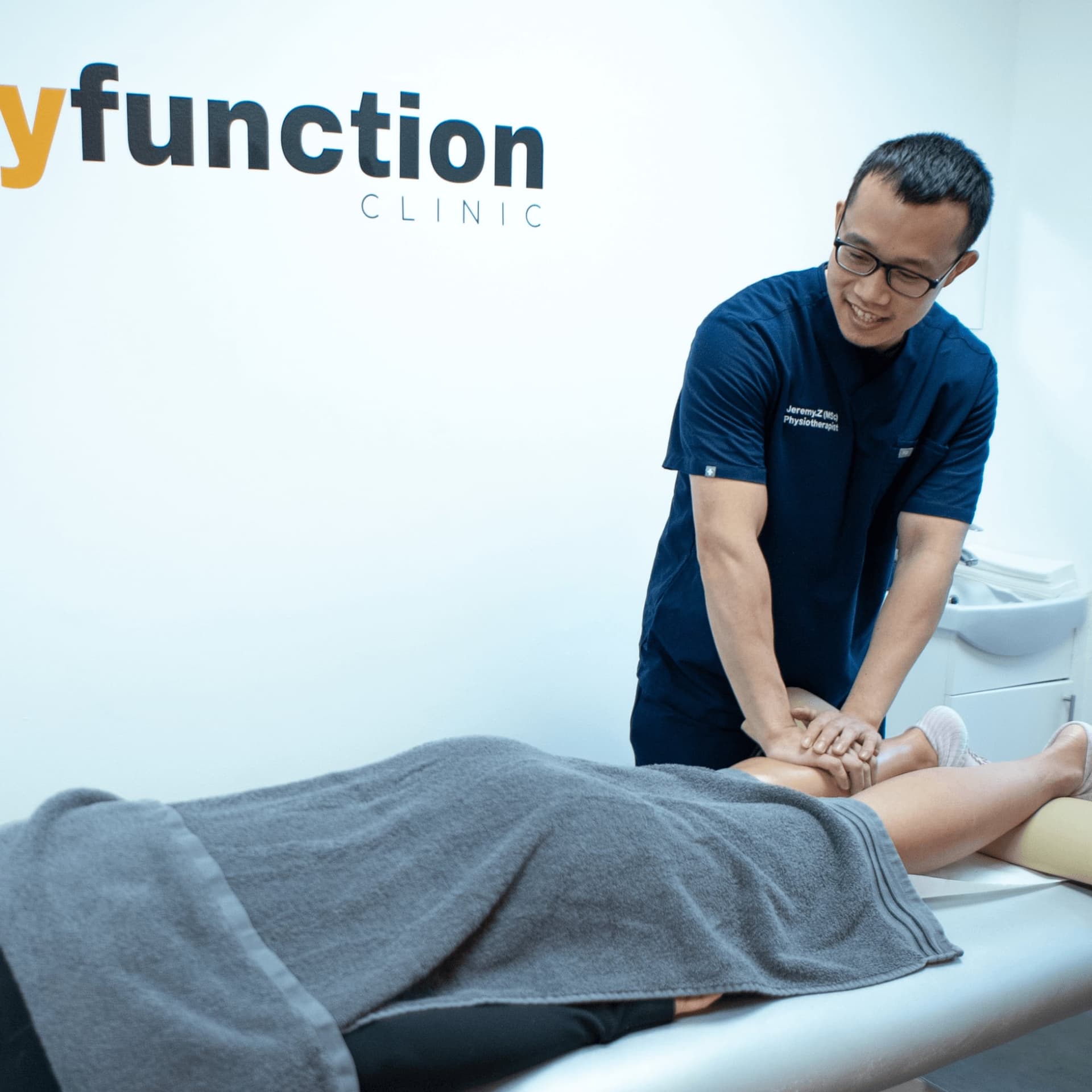
Lower back and groin pain can be confusing because the pain does not always come from one obvious place. It may start in the lower back and spread into the groin, or it may begin around the hip, pelvis or abdomen and feel as though it is affecting the back.
Can back pain cause groin pain? Yes. Pain from the lower back, pelvis, hip joint or surrounding nerves can sometimes be felt in the groin. This is called referred pain. It does not always mean something serious is happening, but it does mean the cause needs to be understood properly, especially if the pain is persistent, worsening or affecting walking, sleep, work or exercise.
This guide explains common causes of lower back and groin pain, the symptoms that need urgent medical attention, why men and women may experience different causes, and when a professional assessment may help.
Quick Answer: What Can Cause Lower Back and Groin Pain?
Lower back and groin pain can come from musculoskeletal causes such as muscle strain, hip joint irritation, sacroiliac joint irritation, lumbar spine problems or nerve referral. It can also sometimes be linked to non- musculoskeletal causes, including hernias, kidney or urinary problems, digestive conditions, gynaecological conditions or prostate-related symptoms.
The table below gives a simple overview. It is not a diagnosis, but it can help you understand why a proper assessment matters.
| Possible Source | How It May Feel | Who to See First |
|---|---|---|
| Lower back or nerve referral | Back pain with pain spreading towards the groin, hip or front of the thigh. | Osteopath, physiotherapist or GP depending on severity. |
| Hip joint irritation | Deep groin ache, stiffness, pain when walking or getting in and out of a car. | Osteopath, physiotherapist or GP. |
| Muscle or tendon strain | Pain after sport, sudden movement, lifting or overstretching. | Osteopath or physiotherapist. |
| Sacroiliac joint or pelvic mechanics | Pain around one side of the lower back, buttock, pelvis or groin. | Osteopath or physiotherapist. |
| Hernia | Groin pain with a lump, pressure or pain when coughing or straining. | GP. |
| Kidney, urinary, digestive, pelvic or reproductive causes | Pain with fever, urinary changes, abdominal pain, nausea, bleeding or feeling unwell. | GP, NHS 111, urgent care or A&E depending on severity. |
Why Lower Back Pain Can Be Felt in the Groin
Pain is not always felt exactly where the problem begins. The lower back, pelvis, hip and groin share overlapping nerve pathways and movement demands. When one area becomes irritated, overloaded or restricted, the brain may interpret the pain as coming from a nearby area.
This is why a person with a lower back problem may feel discomfort in the groin, hip or front of the thigh. It is also why hip problems can sometimes feel like lower back pain.
For example, someone may notice pain when standing up after sitting, walking uphill, turning in bed or lifting one leg to put on shoes. Those movements involve the spine, pelvis, hip joint and surrounding muscles working together. When one part is not moving well or is irritated, other areas often compensate.
Common Musculoskeletal Causes of Lower Back and Groin Pain
Many cases of lower back and groin pain are musculoskeletal, meaning they relate to joints, muscles, tendons, ligaments, nerves or movement patterns. These are the types of problems an osteopath or physiotherapist may assess and help manage when it is clinically appropriate.
1. Muscle Strain Around the Hip, Back or Groin
A muscle strain can occur after sport, lifting, twisting, overstretching or doing more activity than usual. The groin muscles, hip flexors, lower abdominal muscles and lower back muscles all work closely together. If one of these areas becomes overloaded, pain can be felt across more than one region.
Muscle-related pain often feels sore, tight or sharp with certain movements. It may be worse when climbing stairs, changing direction, coughing, sitting up from lying down or squeezing the legs together.
This type of pain often improves with the right balance of relative rest, graded movement, soft tissue work and progressive strengthening. However, if symptoms are not settling or keep returning, assessment can help identify why the area remains irritated.
2. Hip Joint Problems
Hip joint irritation is one of the most common reasons groin pain and lower back pain appear together. The hip joint sits deep in the groin area, so hip-related pain is often felt at the front of the hip or deep in the groin rather than on the outside of the hip.
Hip-related symptoms may include stiffness, reduced range of movement, pain when walking, discomfort when standing after sitting, or difficulty getting in and out of a car. Some people also feel lower back tightness because the spine and pelvis compensate for reduced hip movement.
If your symptoms feel more like deep hip or groin pain than general lower back pain, it may be useful to read more about hip pain and how it can affect movement.
3. Sacroiliac Joint and Pelvic Irritation
The sacroiliac joints sit between the base of the spine and the pelvis. Irritation around this area can producepain in the lower back, buttock, pelvis, hip or groin. Symptoms may be one-sided and can be affected by walking, standing on one leg, rolling in bed or moving from sitting to standing.
The sacroiliac joint is rarely assessed in isolation. A good assessment will also look at hip movement, lumbarspine movement, muscle strength, posture, gait and recent changes in activity.
4. Lumbar Disc or Nerve Irritation
The lower back contains discs, joints, muscles and nerves. Irritation around the lumbar spine can sometimes refer pain towards the groin, hip, buttock or leg. Not all radiating pain is sciatica. Sciatica usually refers to irritation of the sciatic nerve, which more commonly travels down the back of the leg. Pain towards the groin or front of the thigh may involve different referral patterns.
Symptoms that may suggest nerve involvement include tingling, numbness, burning pain, shooting pain, weakness or pain that travels into the thigh or leg. These symptoms should be assessed, particularly if they are worsening or associated with red flags.
5. Posture, Sitting and Repetitive Loading
People who sit for long periods may develop stiffness through the lower back and hips. This does not mean posture alone is the cause of pain, but prolonged positions can influence how tissues are loaded. Desk work, driving, commuting and repeated bending or lifting can all contribute to symptoms in some people.
In these cases, treatment usually needs to go beyond temporary pain relief. The plan may include movement breaks, mobility work, strengthening, manual therapy and changes to training or work habits.
Other Causes That Should Not Be Ignored
Not all lower back and groin pain is musculoskeletal. Some causes require medical assessment rather than hands-on treatment. This is why a clinician should always ask questions about your general health, urinary symptoms, abdominal symptoms, reproductive health, trauma history and any changes in bladder or bowel function.
Hernias
An inguinal hernia can cause groin pain, pressure or a dragging sensation. Some people notice a lump or bulge in the groin, particularly when coughing, lifting or straining. Hernias are more common in men but can occur in women as well.
If you suspect a hernia, speak to your GP. If a groin lump becomes very painful, cannot be pushed back in, or is associated with vomiting, abdominal pain or feeling very unwell, seek urgent medical help.
Kidney or Urinary Causes
Kidney stones, urinary infections and other urinary problems can sometimes cause pain around the lower back, side, abdomen or groin. Symptoms may include pain when urinating, blood in the urine, fever, nausea, urinary urgency or feeling generally unwell.
These symptoms should be assessed medically. An osteopath or physiotherapist may refer you back to your GP or urgent care if your symptoms suggest a non-musculoskeletal cause.
Digestive or Abdominal Causes
Digestive conditions can sometimes create pain that overlaps with the lower back, abdomen, pelvis or groin. Pain that is associated with vomiting, significant abdominal tenderness, fever, unexplained weight loss, blood in the stool or a major change in bowel habits should be assessed medically.
Lower Back and Groin Pain in Women
Lower back and groin pain in women can have musculoskeletal causes, but it can also be influenced by pelvic, gynaecological, pregnancy-related or postnatal factors. The aim here is not to self-diagnose, but to recognise when symptoms need the right type of assessment.
Pregnancy and Postnatal Changes
During pregnancy and after birth, the body adapts to changes in load, posture, abdominal support, pelvic floor function and activity. Some women experience lower back, pelvic, hip or groin pain during this period.
A clinician may assess movement, pelvic stability, breathing mechanics, hip function, strength and day-to-day activities. If symptoms are severe, unusual or linked with bleeding, fever, dizziness or other concerning signs, medical advice is needed.
Endometriosis and Pelvic Pain
Endometriosis and other pelvic conditions can sometimes contribute to pain around the pelvis, lower back, groin or abdomen. Symptoms may fluctuate with the menstrual cycle and may be associated with painful periods, pain during or after sex, bowel symptoms, urinary symptoms or fatigue.
If symptoms suggest a pelvic or gynaecological cause, a GP or specialist referral is more appropriate than treating the issue as purely muscular.
Ovarian or Reproductive Health Causes
Ovarian cysts and other reproductive health conditions can sometimes cause groin, pelvic or lower abdominal pain. Sudden, severe or worsening pelvic pain should not be ignored. Seek urgent medical help if pain is severe, associated with fainting, heavy bleeding, fever, shoulder-tip pain, vomiting or feeling very unwell.
Lower Back and Groin Pain in Men
Lower back and groin pain in men can also be musculoskeletal, but some male-specific causes should be considered. This is particularly important if pain is associated with urinary symptoms, testicular pain, a groin lump or feeling unwell.
Inguinal Hernias
Inguinal hernias are a common cause of groin symptoms in men. They may feel like a lump, ache, pressure or pulling sensation. Symptoms may worsen when coughing, lifting, exercising or standing for long periods.
A suspected hernia should be assessed by a GP. Severe pain, vomiting or a lump that cannot be pushed back in requires urgent medical advice.
Prostate-Related Symptoms
Prostate-related problems can sometimes cause discomfort around the pelvis, groin, lower back or perineal area. Symptoms may include changes in urination, pelvic discomfort, fever or feeling unwell. These symptoms should be discussed with a GP.
Testicular Pain
Testicular pain should be treated seriously, especially if it is sudden, severe, associated with swelling, nausea, fever or a change in the position of the testicle. Seek urgent medical advice for sudden or severe testicular pain.
Back Pain Radiating to the Groin
Back pain radiating to the groin often suggests that the source of pain may involve the lower back, pelvis, hip or surrounding nerves. The direction of pain is useful information, but it is not enough on its own to diagnose the cause.
A clinician will usually want to know:
• Where the pain starts and where it travels
• Whether it is sharp, dull, burning, deep or aching
• Whether it changes with walking, sitting, bending or coughing
• Whether you have numbness, tingling or weakness
• Whether there are urinary, bowel, abdominal or reproductive symptoms
• Whether there was an injury, fall, new exercise or sudden change in activity
The answers help determine whether the pain is likely to be musculoskeletal, whether treatment may help, or whether you need medical assessment first.
Red Flag Symptoms: When to Seek Urgent Medical Help
Most lower back and groin pain is not dangerous, but some symptoms need urgent medical attention. Do not wait for an osteopathy or physiotherapy appointment if you have serious or rapidly worsening symptoms.
Seek urgent medical help if you have lower back and groin pain with any of the following:
• Loss of bladder or bowel control
• New difficulty passing urine
• Numbness around the genitals, inner thighs or back passage
• Severe or worsening leg weakness
• Fever, chills or feeling very unwell
• Unexplained weight loss
• Severe pain after a fall, accident or trauma
• Severe abdominal or pelvic pain
• Blood in the urine or stool
• Sudden severe testicular pain
• A painful groin lump that cannot be pushed back in
• Pain that is severe at night and does not ease with rest
When to See an Osteopath or Physiotherapist
An osteopath or physiotherapist may be appropriate when lower back and groin pain appears to be linked to movement, muscles, joints, posture, sport, training, lifting or a gradual build-up of strain.
Professional assessment may be helpful if:
• Your pain has lasted more than a few days and is not improving
• Pain keeps returning after rest
• You feel restricted when walking, bending or exercising
• You have stiffness through the lower back, hip or pelvis
• You are avoiding normal activities because of pain
• You are unsure whether the issue is coming from the back, hip or groin
• You want a clear plan rather than guessing which exercises to do
The assessment aims to understand what is contributing to your symptoms and decide what should happen next. In some cases, treatment and rehabilitation are appropriate. In others, referral to a GP or another healthcare professional may be recommended.
How Osteopathy Can Help Lower Back and Groin Pain
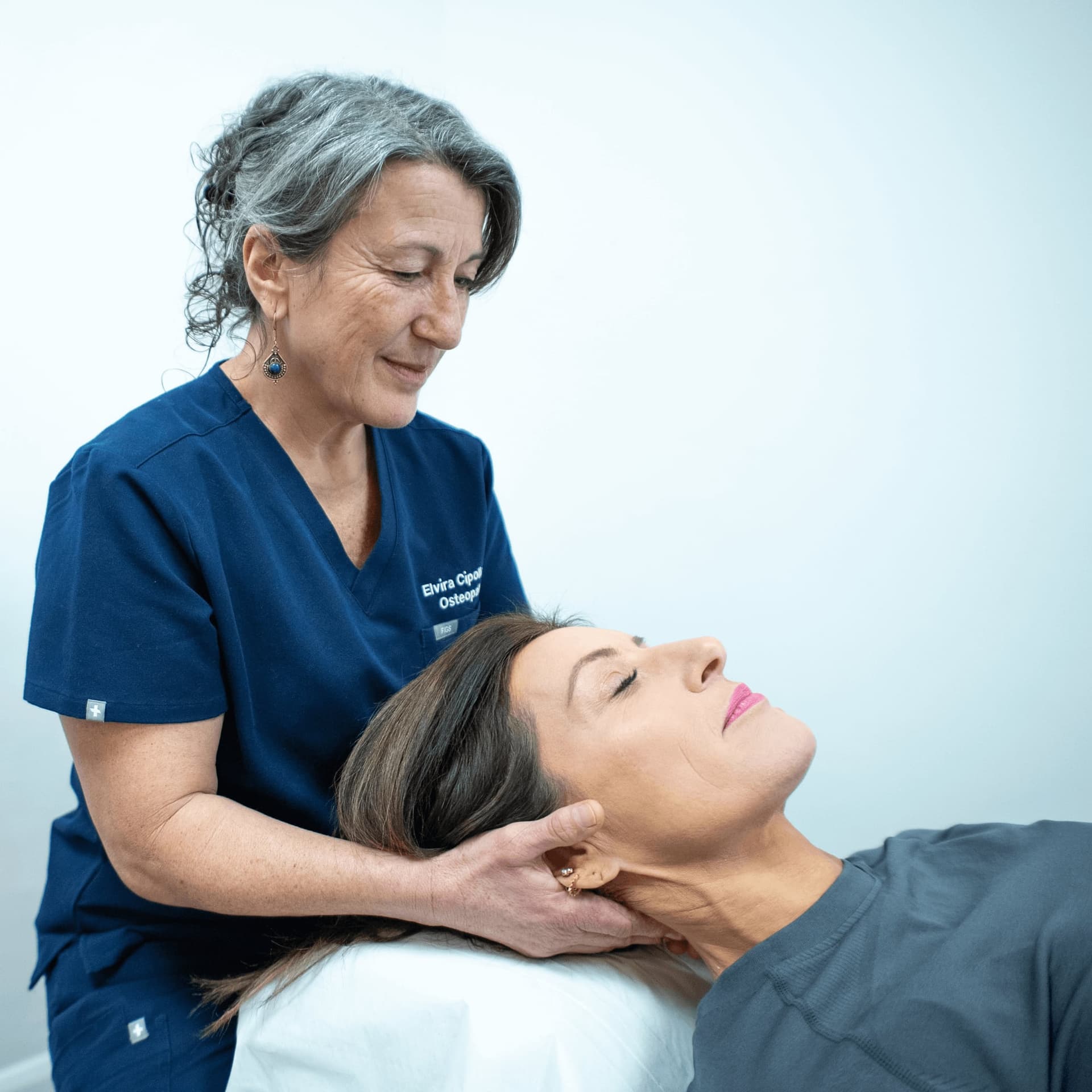
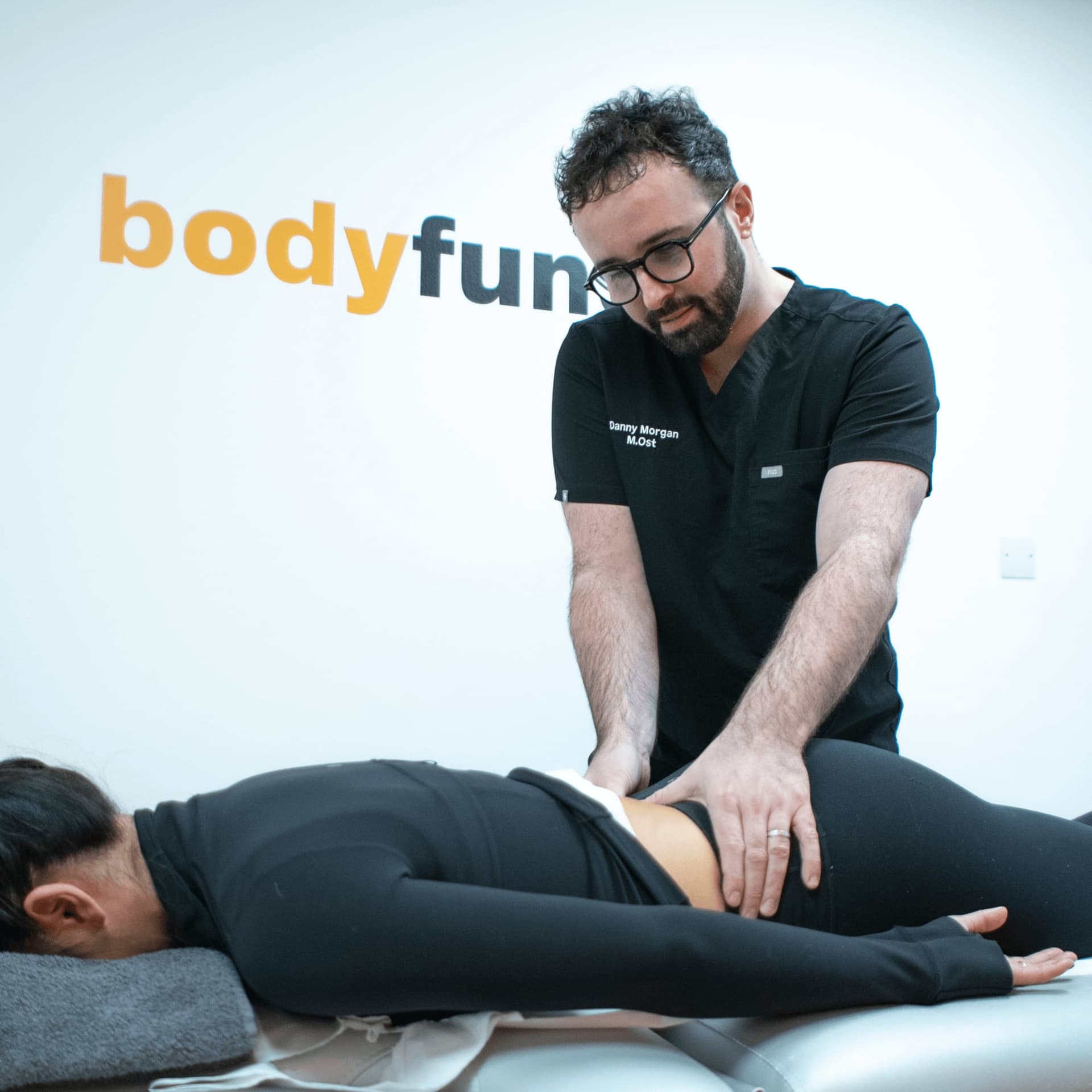
Osteopathy takes an assessment-led approach to musculoskeletal pain. For lower back and groin pain, an osteopath may assess the lumbar spine, hips, pelvis, posture, gait, muscle tone, joint mobility, strength and movement habits.
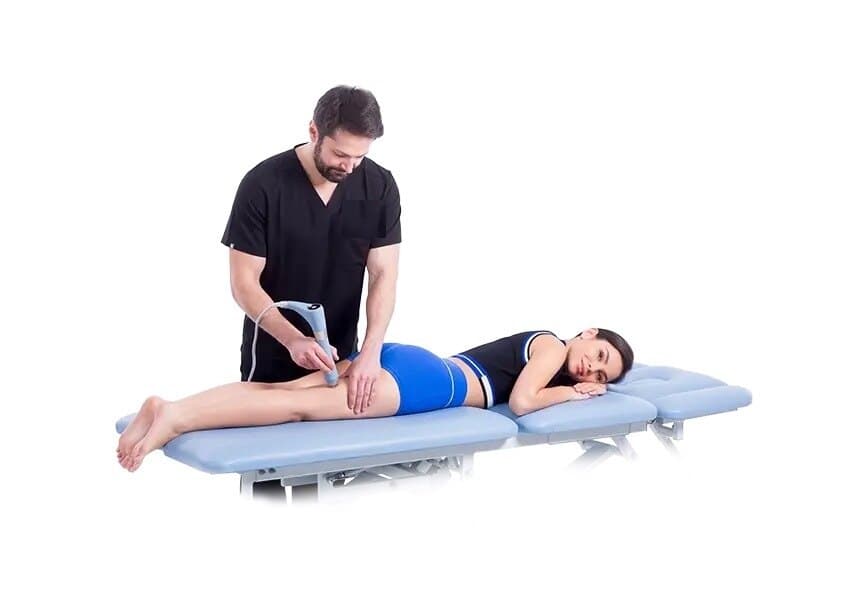
Treatment may include hands-on techniques to improve comfort and mobility, along with advice and exercises to support recovery between appointments. The exact approach depends on the individual and the likely cause of symptoms.
Osteopathy is not about treating every case the same way. Two people can both have lower back and groin pain but need different treatment plans depending on whether the main driver appears to be the hip, lower back, pelvis, muscle strain, nerve referral or training load.
How Physiotherapy Can Help Lower Back and Groin Pain
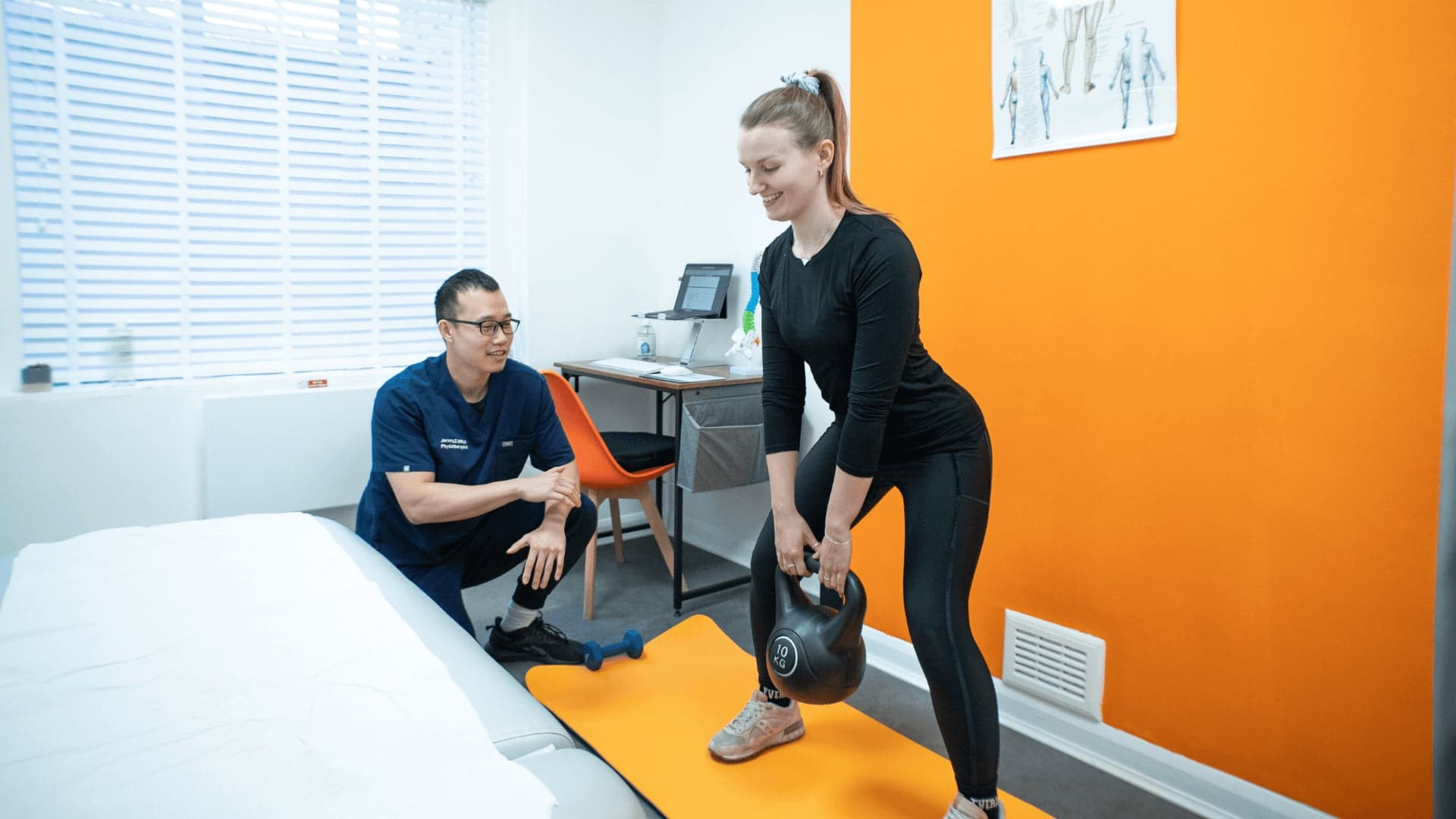
Physiotherapy is often useful when rehabilitation, strength, movement confidence and return to activity are key goals. A physiotherapist may assess movement patterns, strength, flexibility, balance, functional tasks and exercise tolerance.
Treatment may include a structured exercise plan, mobility work, hands-on techniques where appropriate, education and progressive loading. This can be particularly helpful for sports injuries, recurring groin strains, hip-related symptoms, post-operative rehabilitation or persistent back pain that needs a clear strengthening pathway.
What Happens During an Assessment at BodyFunction
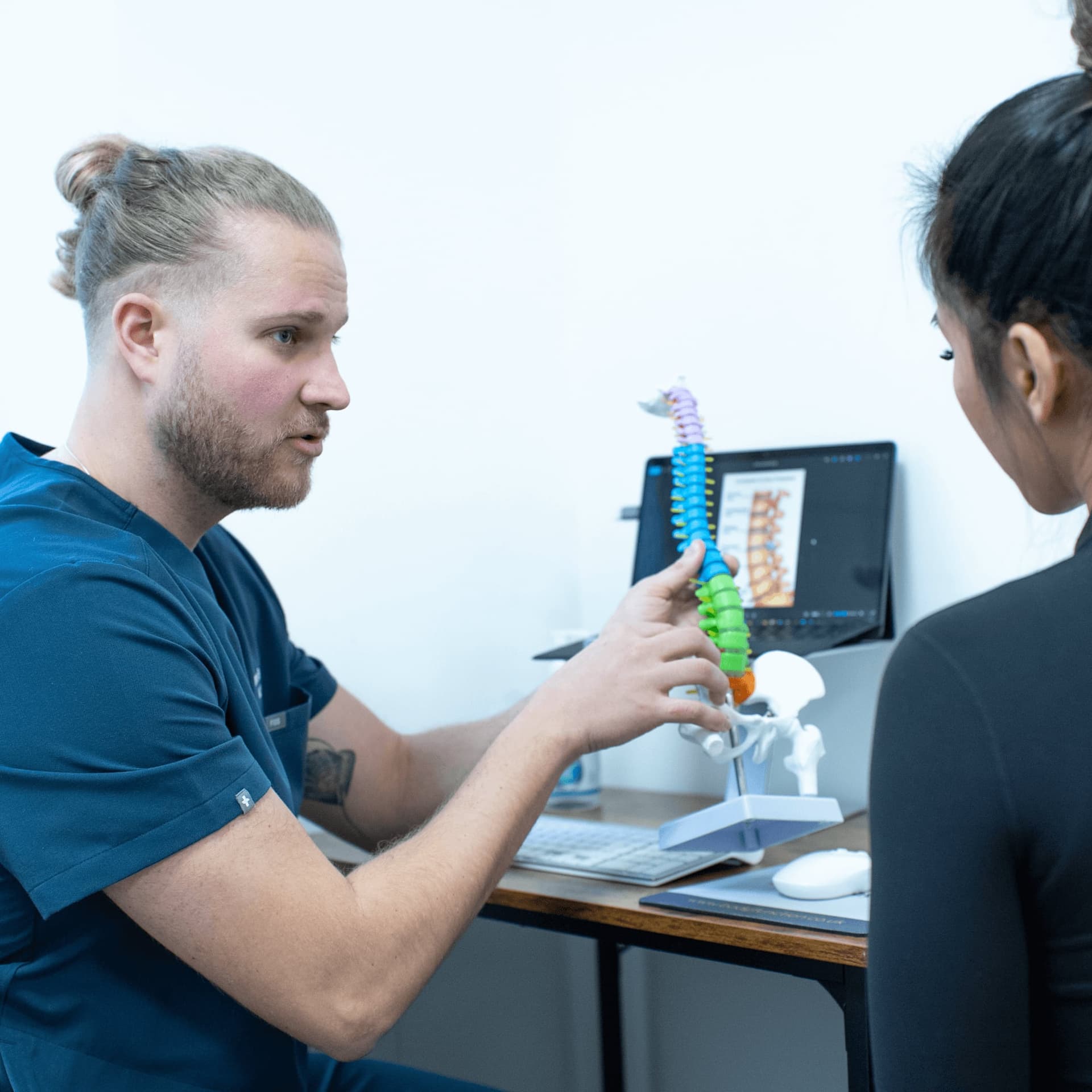
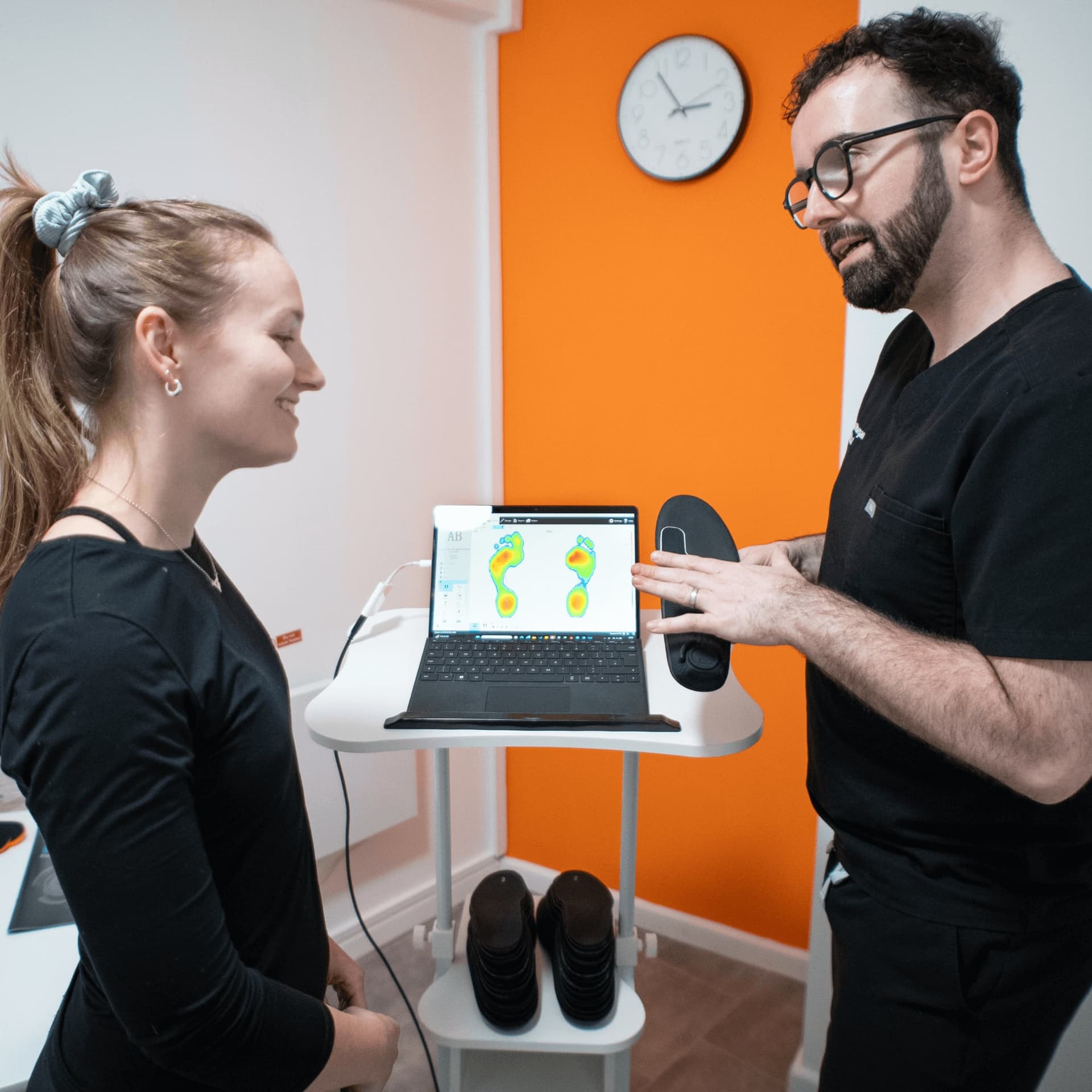
At BodyFunction’s Islington clinic, assessment is designed to understand what is contributing to your symptoms before deciding on treatment. Your clinician will usually ask about your pain, medical history, daily routine, work, exercise, previous injuries and any symptoms that may suggest you need medical referral.
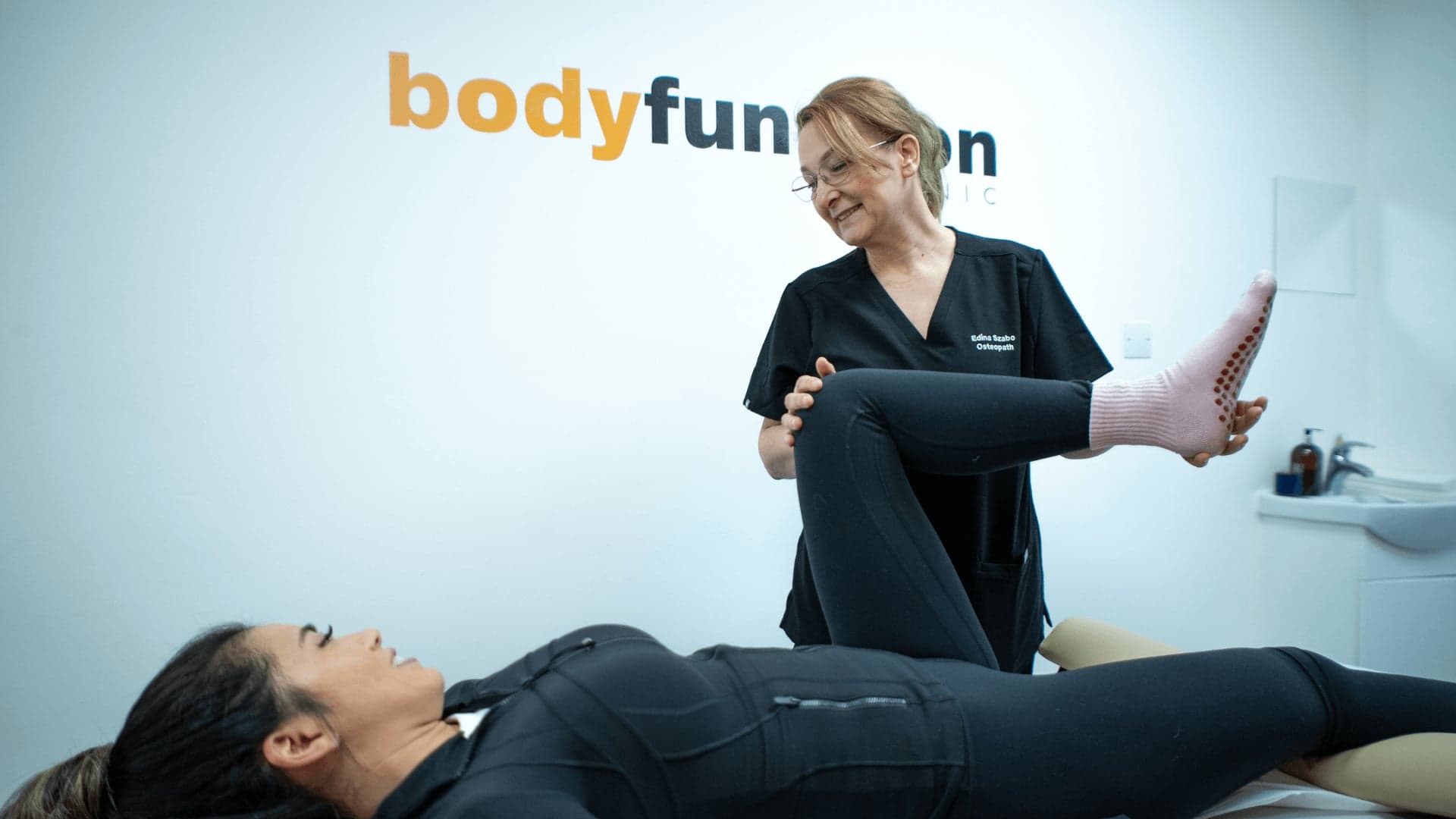
The physical assessment may include movement tests for the lower back, hips and pelvis, strength tests, functional movements such as squatting or walking, and orthopaedic or neurological tests where appropriate.
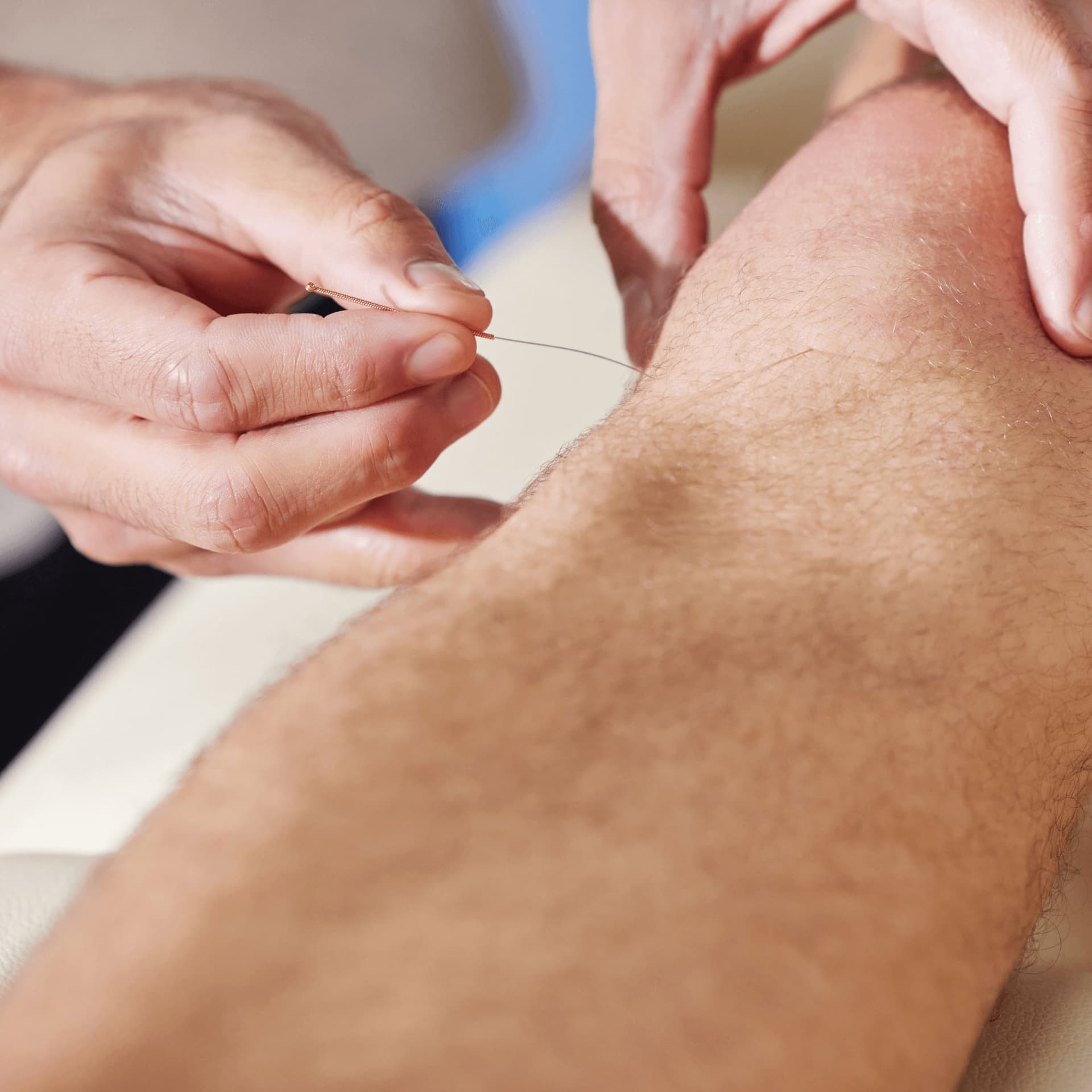
If treatment is suitable, your plan may include hands-on care, exercise advice, rehabilitation, sports massage, dry needling or other support where clinically appropriate and available. If symptoms suggest a non-musculoskeletal cause, you may be advised to speak to your GP or seek urgent medical care.
Getting Help for Lower Back and Groin Pain in Islington
If you are based around Islington, Angel, Barnsbury, Highbury, King’s Cross or nearby North London areas, BodyFunction’s Islington clinic offers assessment-led osteopathy and physiotherapy for pain, injury and movement problems.
The clinic is located at 10 Barnsbury Road, London N1 0HB. If lower back and groin pain are affecting your walking, sleep, work, training or confidence in movement, an assessment can help clarify what may be contributing to the problem and what the most appropriate next step should be.
You can book an appointment with BodyFunction’s Islington clinic if you would like a clear, practical plan for your symptoms.
Frequently Asked Questions
Yes. Lower back pain can sometimes refer pain into the groin because the lower back, pelvis, hip and nearby nerves share overlapping movement and nerve pathways. A proper assessment can help identify whether the pain is likely to be coming from the back, hip, pelvis or another source.
Common causes include muscle strain, hip joint irritation, sacroiliac joint irritation, lumbar spine irritation, nerve referral, hernias, urinary problems, kidney issues, digestive conditions and pelvic or reproductive health conditions.
In females, lower back and groin pain may be musculoskeletal, but it can also be influenced by pregnancy, postnatal changes, endometriosis, ovarian conditions or other pelvic health issues. Severe, unusual or worsening pelvic pain should be assessed medically.
In males, lower back and groin pain may come from the back, hip, pelvis or muscles, but hernias, prostate- related symptoms and testicular conditions should also be considered. Sudden or severe testicular pain needs urgent medical advice.
It is not always serious. Many cases are musculoskeletal and can improve with the right management. However, pain with red flag symptoms such as bladder or bowel changes, numbness around the saddle area, fever, unexplained weight loss, severe weakness or significant trauma should be checked urgently.
Sciatica usually causes pain that travels down the back of the leg, but lower back nerve irritation can sometimes produce pain in other areas, including the hip, thigh or groin, depending on the structures involved. Assessment helps clarify the likely pain pattern.
It can be either. Groin pain is commonly associated with hip joint problems, but it can also be referred from the lower back, pelvis, muscles, tendons or nerves. The pattern of pain and movement testing helps identify the likely source.
Pain when walking may relate to the hip joint, pelvis, lower back, groin muscles, tendons or nerves. If walking is becoming difficult, painful or progressively worse, an assessment can help identify the cause and guide treatment.
See a GP first if you have urinary symptoms, fever, unexplained weight loss, abdominal or pelvic symptoms, a suspected hernia, testicular pain, or any red flags. An osteopath or physiotherapist may be appropriate when symptoms appear linked to muscles, joints, movement, activity or recurring mechanical pain.
An osteopath may help when the pain is musculoskeletal and linked to the lower back, pelvis, hip or surrounding soft tissues. Treatment should follow assessment and may include hands-on care, movement advice and exercises.
Physiotherapy may help when rehabilitation, strength, movement control and return to activity are important. This can be useful for sports injuries, recurring strains, hip-related symptoms and persistent lower back pain.
Book an assessment if symptoms are persistent, recurring, limiting your normal activities or making you unsure how to move safely. Seek urgent medical help instead if you have red flag symptoms or sudden severe pain.