Sports injuries are common and can affect muscles, joints, tendons, or ligaments during exercise, training, or everyday activity. Some injuries happen suddenly, while others build up gradually over time due to repeated strain or changes in load.
Most sports injuries are manageable with the right approach. Understanding what may be driving your symptoms helps guide safe recovery, reduce flare-ups, and support a confident return to activity.
Book an assessment to understand what’s contributing to your sports injury and what to do next.
Sports Injuries
Sports injuries are common and can affect muscles, joints, tendons, or ligaments during exercise, training, or everyday activity. Some injuries happen suddenly, while others build up gradually over time due to repeated strain or changes in load.
Most sports injuries are manageable with the right approach. Understanding what may be driving your symptoms helps guide safe recovery, reduce flare-ups, and support a confident return to activity.
Book an assessment to understand what’s contributing to your sports injury and what to do next.
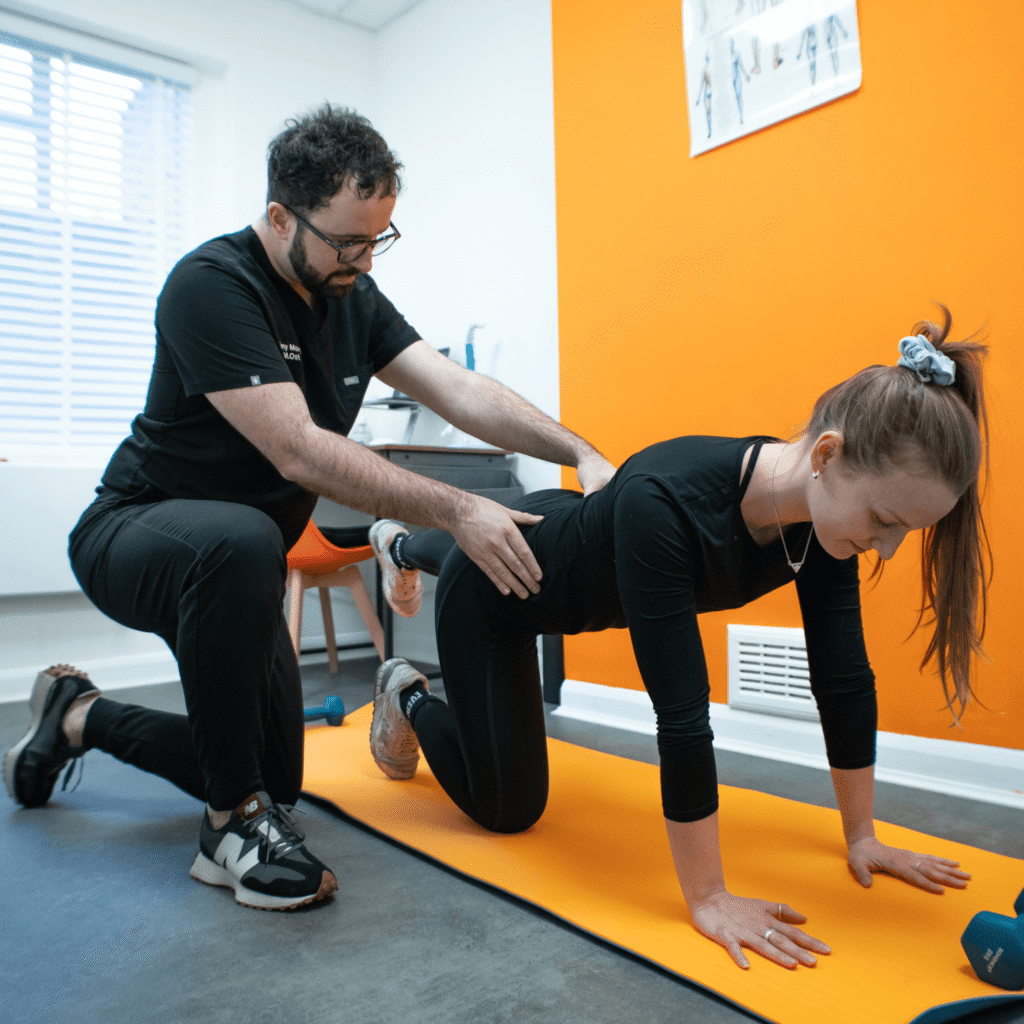
A sports injury refers to pain or dysfunction affecting the body during or after physical activity. This can involve muscles, tendons, ligaments, joints, or surrounding tissues. Sports injuries are not limited to athletes and can occur in anyone who exercises, trains, or increases physical activity.
Some sports injuries are acute, meaning they come on suddenly after a strain, fall, or awkward movement. Others are overuse injuries, where symptoms develop gradually as tissues become irritated or overloaded over time.
How an injury develops is often influenced by training load, recovery, strength, movement patterns, and how the body adapts to activity.
Symptoms vary between individuals, which is why assessment can be helpful in understanding likely contributors.
These are common reasons people book in. If your issue is not listed, that is fine.
Book online or call and we will point you to the most suitable clinician.
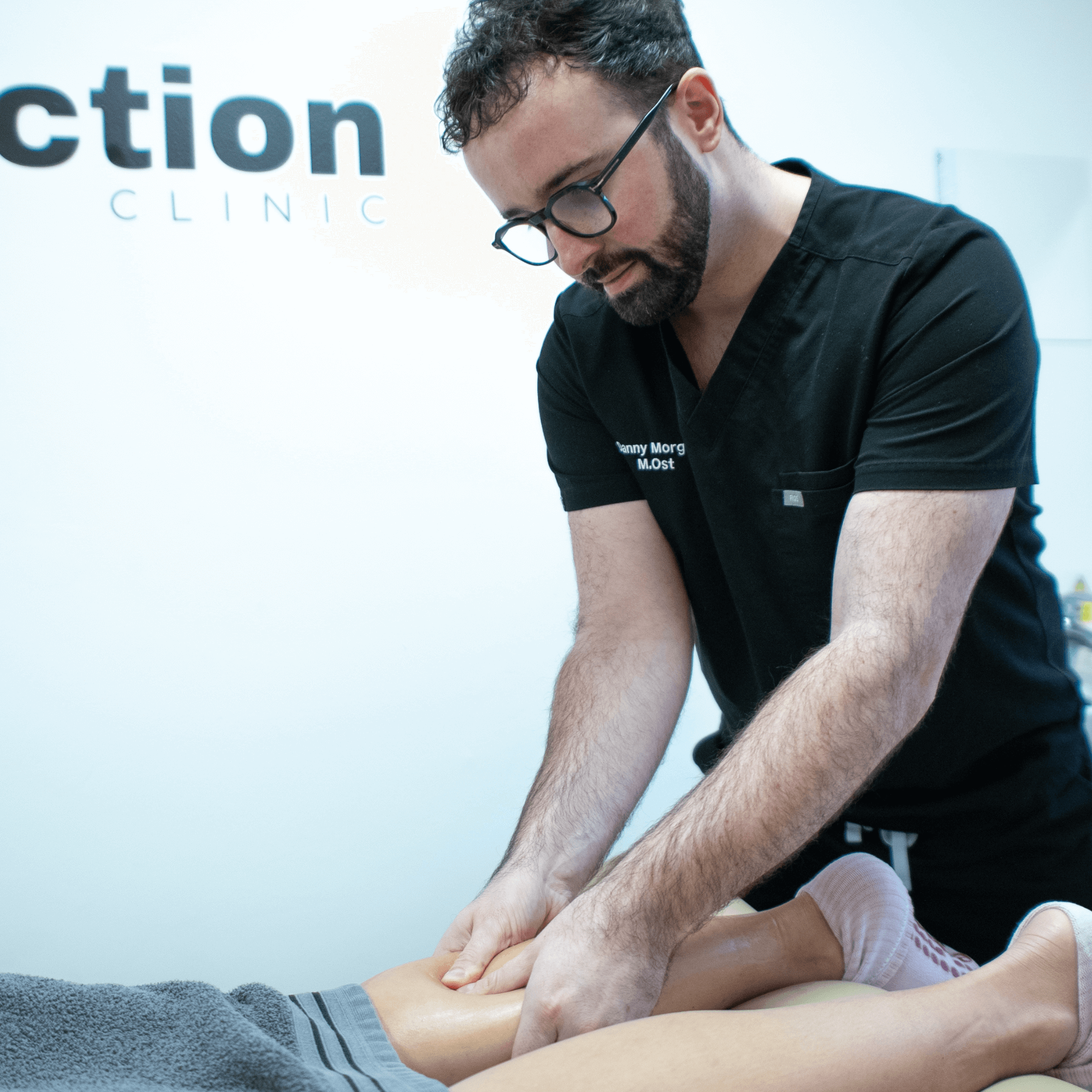
Acute injuries usually happen suddenly and may follow a specific moment, such as a twist, fall, or forceful movement. Examples include muscle strains, ligament sprains, or impact injuries. Swelling and pain often appear quickly.
Overuse injuries develop gradually when tissues are exposed to repeated load without enough recovery. These injuries are common with running, gym training, or returning to sport after time off. Symptoms may start as mild discomfort and worsen if activity continues unchanged.
Running injuries often affect the knee, ankle, hip, or lower leg and are commonly linked to training volume, hills, footwear, or strength and control higher up the chain. Pain may come on during or after runs rather than immediately.
Gym injuries may involve muscles or tendons and can occur when load increases too quickly or technique breaks down. Some soreness after training can be normal, but sharp pain, swelling, or pain that persists should be assessed.
- Sudden increase in training volume or intensity
- Returning to sport after time off
- Repetitive movements without enough recovery
- Reduced strength or endurance
- Poor single-leg control
- Fatigue affecting movement quality
- Limited mobility in key areas
- Altered movement patterns
- Compensation from previous injuries
- Poor sleep or stress
- Inadequate recovery between sessions
- Busy schedules limiting rest and conditioning
Most sports injuries are not serious, but recognising red flags is important.
When To seek help about a sports injury
Seek urgent medical help if you have
Book an assessment soon if
Most sports injuries are not serious, but recognising red flags is important.
Relative rest rather than complete rest
Reducing aggravating activity temporarily
Gradual return to movement and loading
Pacing training and exercise
Using heat or ice if it feels helpful
Breaking up long periods of sitting
Listening to early warning signs
Medication advice should be discussed with a pharmacist or GP. Persistent or recurring symptoms often benefit from assessment and a clear plan.
Treatment is guided by symptoms, goals, and how the body responds over time.
Our approach starts with understanding your pain, your routine, and what you want to return to.
Treatment is tailored and reviewed as you progress.
Your first appointment
Your first appointment focuses on understanding your injury, training or activity levels, movement patterns, and goals. This helps guide a personalised plan and set realistic expectations.
Physiotherapy for sports injuries
Physiotherapy is often helpful when rehabilitation, strength, and graded return to activity are the priority. Treatment focuses on improving capacity, confidence, and long-term resilience.
Osteopathy for sports injuries
Osteopathy may help by addressing joint movement, muscle tension, and how different areas of the body work together, particularly where compensations or stiffness are contributing.
How many sessions will I need?
This varies depending on the injury, how long symptoms have been present, and your goals. Progress is reviewed regularly and plans adjusted as needed.
If a sports injury is affecting your training, work, or confidence in movement,
assessment can help clarify what’s driving it and what to do next.
Treatments in Islington
Treatments in Marylebone
Book an Appointment
If a sports injury is affecting your training, work, or confidence in movement,
assessment can help clarify what’s driving it and what to do next.
Treatments in Marylebone
Muscle strains, ligament sprains, tendon pain, and overuse injuries are common, especially with changes in training load.
Treatment usually involves managing load, restoring movement, rebuilding strength, and gradually returning to activity.
Gentle movement is often better than complete rest, but painful or aggravating activities may need to be reduced temporarily.
Red flags include inability to weight-bear, severe swelling, fever, or new weakness or numbness.
Recovery time varies depending on the injury and management approach. Many improve with the right plan.
Return-to-sport decisions are based on symptoms, strength, confidence, and gradual progression rather than fixed timelines.
Not all sports injuries require imaging. Assessment helps determine whether further investigation is needed.
Physiotherapy is often very helpful for rehabilitation and safe return to activity.
Osteopathy may help by improving movement and reducing strain in contributing areas.