
Headaches and migraines are very common and can range from mild, short-lived discomfort to more severe or recurring pain that interferes with work, concentration, sleep, and daily life. While many headaches are not serious, recurring or changing symptoms can be worrying.
Headaches and migraines can have different causes, patterns, and triggers. Understanding what type of headache you may be experiencing helps guide safe self-care, identify when further assessment is needed, and support effective management.
If headaches or migraines are affecting your quality of life, an assessment can help clarify what may be contributing and what to do next.
Book an appointment to discuss your symptoms and options.

Headaches and Migraines
Headaches and migraines are very common and can range from mild, short-lived discomfort to more severe or recurring pain that interferes with work, concentration, sleep, and daily life. While many headaches are not serious, recurring or changing symptoms can be worrying.
Headaches and migraines can have different causes, patterns, and triggers. Understanding what type of headache you may be experiencing helps guide safe self-care, identify when further assessment is needed, and support effective management.
If headaches or migraines are affecting your quality of life, an assessment can help clarify what may be contributing and what to do next.
Book an appointment to discuss your symptoms and options.
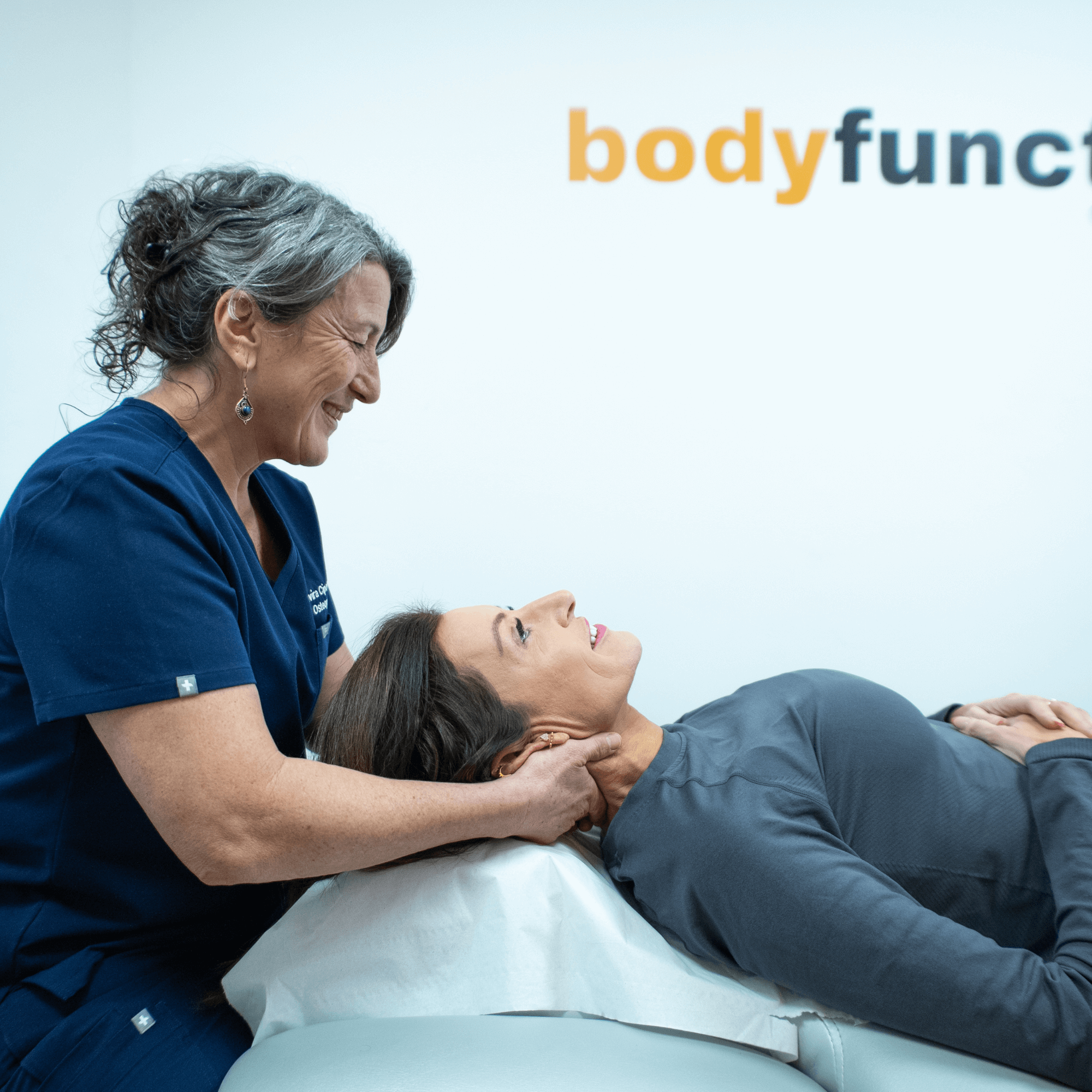
A headache refers to pain felt in the head, face, or upper neck. Headaches can vary widely in how they feel, how long they last, and what triggers them.
Migraines are a specific type of headache that often involve moderate to severe pain and additional symptoms such as nausea, sensitivity to light or sound, or visual disturbances.
Most headaches fall into the primary category and are not dangerous, but recognising patterns and red flags is important.
Symptoms may include:
Migraine symptoms can also include visual changes such as flashing lights or zig-zag lines (often called an aura), though not everyone experiences this.
These are common reasons people book in. If your issue is not listed, that is fine.
Book online or call and we will point you to the most suitable clinician.
Tension headaches
Tension headaches are the most common type of headache. They often feel like a tight band or pressure around the head and are frequently linked to stress, muscle tension, fatigue, or prolonged screen use.
Pain is usually mild to moderate and affects both sides of the head. Neck and shoulder tightness is common.
Migraines
Migraines typically cause moderate to severe throbbing pain, often on one side of the head. They may be accompanied by nausea, vomiting, and sensitivity to light or sound.
Some people notice warning signs before a migraine, while others experience lingering symptoms such as tiredness or difficulty concentrating afterwards.
Cervicogenic (neck-related) headaches
Cervicogenic headaches are headaches that originate from the neck. Pain is often felt at the base of the skull and may spread to the head, temples, or behind the eyes.
These headaches are commonly associated with neck stiffness, reduced movement, posture strain, or previous neck injury.
You can also read more on related symptoms on our [Neck Pain] page.
Headaches and migraines often have multiple contributing factors rather than a single cause.
- Stress or anxiety)
- Poor or disrupted sleep
- Dehydration
- Skipped meals or irregular eating
- Prolonged desk or screen use
- Sustained neck or shoulder tension
- Reduced movement during the day
- Hormonal changes
- Illness or infection
- Jaw or sinus issues
- Neck or upper back stiffness
Identifying patterns over time can help guide management and prevention.
If you are ever uncertain, it is sensible to speak to a healthcare professional for advice.
When To seek help about headaches
Most back pain is not serious, but it is important to recognise red flags.
Seek urgent medical help if you have
Book an assessment soon if
If you are ever uncertain, it is sensible to speak to a healthcare professional for advice.
Helpful strategies may include:
Regular meals and hydration
Managing stress and workload
Breaking up long periods of sitting
Gentle neck and upper back movement
Heat or cold if it feels helpful
Tracking triggers and patterns
Medication advice should be discussed with a pharmacist or GP. Persistent or recurring headaches often benefit from assessment and a structured plan.
Treatment plans are guided by symptoms, goals, and how your body responds over time.
Assessment to understand headache type and contributors
Education around triggers and pacing
Exercise-based rehabilitation for neck and upper back
Manual therapy to support comfort and movement
Posture and workstation guidance
Referral for further investigation if required
Our approach starts with understanding your pain, your routine, and what you want to return to.
Treatment is tailored and reviewed as you progress.
Your first appointment
Your first appointment focuses on understanding your symptoms, headache patterns, medical history, lifestyle factors, and any neck or movement involvement. This helps guide a personalised and realistic plan.
Physiotherapy for headaches
Physiotherapy may be helpful where headaches are linked to neck stiffness, posture, muscle tension, or movement patterns. Treatment focuses on restoring movement, strength, and confidence.
Osteopathy for headaches
Osteopathy may help by addressing joint movement, muscle tension, and how the neck, upper back, and surrounding areas work together, particularly in cervicogenic headaches.
How many sessions will I need?
This varies depending on the type of headache, how long symptoms have been present, and individual goals. Progress is reviewed regularly and plans adjusted as needed. Appointments are available at our Islington and Marylebone clinics.
If headaches or migraines are affecting your comfort, work, or confidence in daily life,
assessment can help clarify what’s contributing and what to do next.
Treatments in Islington
Treatments in Marylebone
Book an Appointment
If headaches or migraines are affecting your comfort, work, or confidence in daily life,
assessment can help clarify what’s contributing and what to do next.
Treatments in Islington
Treatments in Marylebone
A headache is a general term for head pain. Migraines are a specific type of headache with additional symptoms such as nausea or light sensitivity.
Most headaches are not serious, but new, severe, or changing symptoms should be assessed.
Yes, some headaches originate from the neck and are known as cervicogenic headaches.
Triggers vary but may include stress, sleep disruption, dehydration, hormonal changes, or certain foods.
Gentle movement is often better than complete rest, but activities that worsen symptoms may need to be reduced temporarily.
Many headaches do not require imaging. Assessment helps determine whether further investigation is needed.
Physiotherapy is often helpful for headaches linked to neck tension, posture, and movement patterns.
Osteopathy may help manage contributing musculoskeletal factors, particularly where neck or upper back tension is involved.