
Stress Incontinence Treatment: Your Options and When to Seek Professional Help
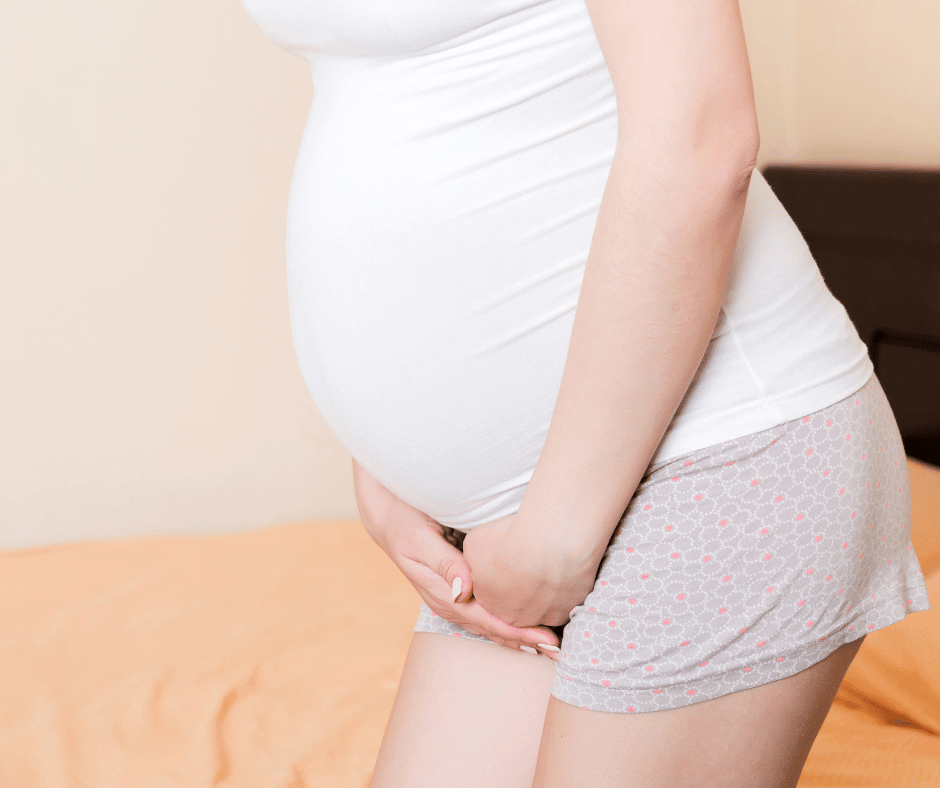
Leaking urine when coughing, sneezing, laughing or exercising can be frustrating, limiting, and difficult to talk about. Many women quietly adapt, wearing pads, changing what they wear, avoiding certain activities, or planning life around toilet access. It is common, but that does not mean it is something you simply have to put up with.
Stress incontinence treatment can be very effective. There are a number of options available, from pelvic floor exercises and lifestyle changes through to hands-on clinical care and non-surgical technology-led treatment. The right choice depends on why the symptoms are happening, how long they have been going on, and what has or has not worked so far.
What is stress incontinence and why does it happen?
Stress incontinence occurs when physical pressure on the bladder causes urine leakage. This usually shows up as leaking when coughing, sneezing, laughing, lifting, running or exercising. It happens because the pelvic floor and surrounding structures are not providing sufficient support to the bladder neck and urethra when the body is placed under strain.
There are several common reasons this develops. Pregnancy and childbirth can weaken the pelvic floor. Menopause affects tissue quality and support. Ageing plays a part, and so can repeated heavy lifting, chronic coughing, constipation, or years of high-impact exercise. Some people notice symptoms gradually; others feel that bladder weakness appears or becomes more pronounced after a significant physical change such as pregnancy or menopause.
Non-surgical treatment options for stress incontinence
There is no single bladder weakness treatment that suits everyone. The best approach depends on your symptoms, your history, and what your body actually needs. For most people, treatment begins conservatively.
Pelvic floor exercises
Pelvic floor exercises are typically the first step in stress incontinence treatment. The aim is to improve strength and support around the bladder and urethra so that physical pressure is better managed.
They can help, particularly in mild to moderate cases. But they are not always straightforward. Many people are unsure whether they are doing them correctly, and even with good technique, progress depends on consistency over several weeks or months.
That does not mean they should be dismissed, far from it. Pelvic floor exercises are an important part of care. But if you have been doing them for a while without meaningful improvement, a more tailored clinical approach is usually the right next step.
Bladder training
Bladder training is more commonly used for urgency and frequency symptoms, but it can be relevant where bladder habits are part of the picture. Stress incontinence sometimes coexists with other symptoms, so improving bladder control can support a broader treatment plan. It is rarely the main answer for stress incontinence in isolation, but may have a role.
Osteopathy and pelvic health support
For some women, stress incontinence is not only about isolated pelvic floor weakness. It can also be influenced by posture, breathing mechanics, abdominal pressure management, core control, pelvic alignment, scar tissue from previous deliveries, and how the body handles load day to day.
This is where osteopathy may form part of the clinical picture. A whole-body assessment can identify whether symptoms are being aggravated by reduced pelvic mobility, poor pressure control through the abdomen, persistent tension patterns, postpartum recovery, or compensations elsewhere in the body. In practice, this sits alongside pelvic floor rehabilitation rather than replacing it.
At Bodyfunction, this wider assessment matters because it helps avoid reducing everything to a generic instruction to “do Kegels”. Some people need that. Others need broader support around movement, pelvic mechanics and function. Osteopathy in Marylebone
EMSELLA
EMSELLA is a non-invasive, technology-led option that stimulates the pelvic floor muscles using high-intensity focused electromagnetic energy. It is often considered by people who want more support than home exercises alone, or who have not achieved sufficient results despite consistent effort.
It can be a useful option for stress incontinence, particularly where symptoms are affecting confidence and daily life, and where a practical, non-surgical approach is preferred. What matters is that it is used in the right context — it is one treatment within a broader pathway, not a universal answer.
You can read more on our EMSELLA pelvic floor strengthening page
Lifestyle adjustments
Depending on the individual, useful changes may include reducing caffeine, managing constipation, reviewing fluid intake patterns, addressing excess load on the pelvic floor through weight management, and modifying high-impact activity where it is aggravating symptoms. These are rarely standalone solutions, but they can reduce strain and support better long-term results.
When should you seek professional help?
Many women wait longer than necessary before asking for help. They assume leaking is a normal consequence of childbirth, ageing, or menopause, or feel they should be able to manage it themselves. But ongoing symptoms deserve proper assessment.
It is worth seeking help if stress incontinence is affecting your confidence, exercise habits, work, sleep, travel, or everyday quality of life. It is also sensible to get support if you have been doing pelvic floor exercises for around three months without a clear improvement, or if you are not certain your technique is correct.
Consider a clinical assessment if symptoms began or worsened after pregnancy, childbirth or menopause, or if leaking is becoming more frequent over time. Earlier support tends to make treatment simpler and more effective.
A proper assessment also ensures the treatment matches the problem. Not all bladder symptoms are the same, and a tailored plan consistently produces better outcomes than a generic approach.
Stress incontinence treatment in London
If you are looking for stress incontinence treatment in London, it is worth choosing a clinic that takes an honest and clinical approach rather than leading with a single fixed solution.
At Bodyfunction’s Marylebone clinic, the process begins with understanding what is actually driving the symptoms — your history, the nature of the leakage, any pregnancy or menopause-related changes, movement patterns, and whether EMSELLA is likely to be appropriate for your situation.
For some women, EMSELLA may be a strong option. For others, a broader osteopathic assessment and a plan that considers the pelvic floor in the context of the whole body will be a better starting point. In some cases, a combined approach makes the most sense.
Find out more about EMSELLA at our Marylebone clinic
Frequently asked questions
Can stress incontinence be treated without surgery? Yes. The majority of people with stress incontinence are treated without surgery. Non-surgical options include pelvic floor exercises, pelvic floor physiotherapy, osteopathic assessment, technology-led treatments such as EMSELLA, and lifestyle changes. Surgery is generally considered only when conservative approaches have not been effective.
How long does it take for pelvic floor exercises to improve stress incontinence? Most people are advised to allow at least three months of consistent, correctly performed pelvic floor exercises before assessing the results. Many see gradual improvement before that point. If there is no noticeable change after three months, a clinical assessment is a sensible next step — particularly to check technique and consider whether additional support is needed.
What is the best treatment for stress incontinence in women? There is no single best treatment. The most effective approach depends on the cause and severity of symptoms, how long they have been present, and whether there are contributing factors such as childbirth recovery, menopause, or postural and load management issues. A clinical assessment is the most reliable way to identify what is likely to work for your specific situation.
Is stress incontinence more common after menopause? Yes. Declining oestrogen levels during and after menopause affect the quality and tone of the tissues that support the bladder and urethra, which can cause symptoms to appear or worsen. Pelvic floor strength also naturally decreases with age, making this a common but underreported issue for women in this stage of life.
What happens during an EMSELLA consultation at Bodyfunction? The initial consultation includes a discussion of your symptoms and history, an assessment of whether EMSELLA is appropriate for you, and an explanation of what a course of treatment would involve. Not everyone is a suitable candidate, so this step matters. The consultation is the right place to get honest advice about whether EMSELLA, physiotherapy, osteopathic support, or a combination is the most appropriate route.
Take the next step
Stress incontinence is common, but it is not something you have to quietly work around. There are effective, non-surgical treatment options available, and the right one depends on your symptoms, your history, and the kind of support you need.
If leaking when coughing, sneezing, laughing or exercising is affecting your daily life, a consultation is the right place to start.