Pelvic Floor Recovery After Childbirth: What Helps, What Doesn’t, and When to Get Professional Support
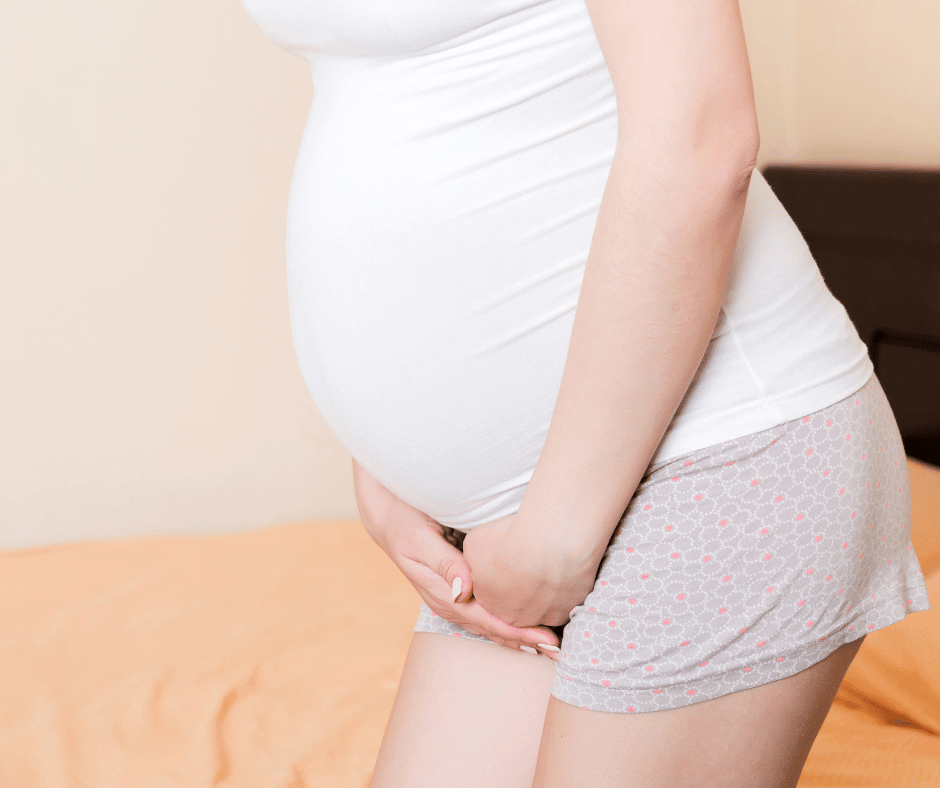
Childbirth places real strain on the pelvic floor, whether you have a vaginal birth or a caesarean. Many women notice weakness, leaking, heaviness or reduced confidence in the weeks and months afterwards, but say very little because they assume it is simply part of having a baby.
It is common, but it is not something you have to just accept. Pelvic floor symptoms after childbirth deserve proper attention, especially if they are affecting your confidence, comfort, exercise, or everyday life. The right support can make a real difference, and for many women recovery improves significantly with the right approach.
What happens to the pelvic floor during pregnancy and birth?
The pelvic floor is a group of muscles and connective tissues that support the bladder, bowel and uterus. During pregnancy, these tissues are placed under sustained pressure from the weight of the growing baby. Over time, that load can reduce strength and support, even before labour begins.
During vaginal birth, the pelvic floor stretches significantly and may also be affected by tearing, instrumental delivery, prolonged pushing, or birth trauma. That does not mean every woman will have long-term problems, but it does mean the pelvic floor often needs time and support to recover properly.
Caesarean birth does not mean the pelvic floor escapes the effects of pregnancy. A caesarean may reduce some of the delivery-related strain, but it does not remove the load that pregnancy itself places on the bladder, abdominal wall and pelvic floor. That is one reason some women still experience pelvic floor weakness, leaking or heaviness after a caesarean.
It is also worth knowing that symptoms do not always appear straight away. Some women notice problems immediately after birth. Others only start to feel symptoms months later, particularly when they return to exercise, when sleep deprivation takes its toll, or when higher-impact activity resumes.
What symptoms suggest your pelvic floor needs attention?
Pelvic floor symptoms after childbirth can show up in different ways. Signs that your pelvic floor may need proper assessment include:
- leaking urine when coughing, sneezing, laughing or exercising
- sudden urgency or difficulty holding on
- a feeling of heaviness or dragging in the pelvic area
- a sensation of prolapse or vaginal pressure
- difficulty fully emptying the bladder
- discomfort or reduced confidence during sex
- a sense that your pelvic floor feels weak or unresponsive
These are not symptoms to self-diagnose and set aside. They can reflect pelvic floor weakness, poor coordination, prolapse-related changes, or a broader postnatal recovery issue. If symptoms are ongoing, a proper assessment is considerably more useful than guessing or working through exercises found online.
Pelvic floor exercises after birth: what you need to know
Postnatal pelvic floor exercises are widely recommended, and rightly so. They can help improve strength, support and bladder control. NHS and RCOG guidance supports starting gentle pelvic floor exercises early after birth, where appropriate, and building them up gradually.
The key word, though, is correctly.
Many women are told to do Kegels but are not fully clear on what that means in practice. A correct pelvic floor contraction should feel like a gentle lift and squeeze around the front and back passages, without clenching the buttocks, gripping the thighs or holding the breath. Breathing normally throughout matters. The older advice about stopping the flow of urine to practise is no longer recommended.
In the early days after birth, the aim is not aggressive strengthening. It is to gently reconnect with the muscles, where recovery is straightforward and there are no specific complications. Over time, exercises can be progressed. NHS maternity guidance commonly suggests that it can take up to around three months for muscles to get meaningfully stronger.
This is where many women plateau. They struggle to identify the right muscles, do the exercises inconsistently, or assume that doing something means doing enough. Some women need more tailored input, particularly after difficult births, where symptoms persist, or where the issue involves not just weakness but poor coordination, pressure management, posture or abdominal recovery.
When exercises alone are not enough
For some women, exercises alone are not enough to restore full function. That is more likely where there has been significant birth-related trauma, ongoing leaking, prolapse symptoms, persistent heaviness, or where symptoms are still affecting daily life beyond the early recovery period.
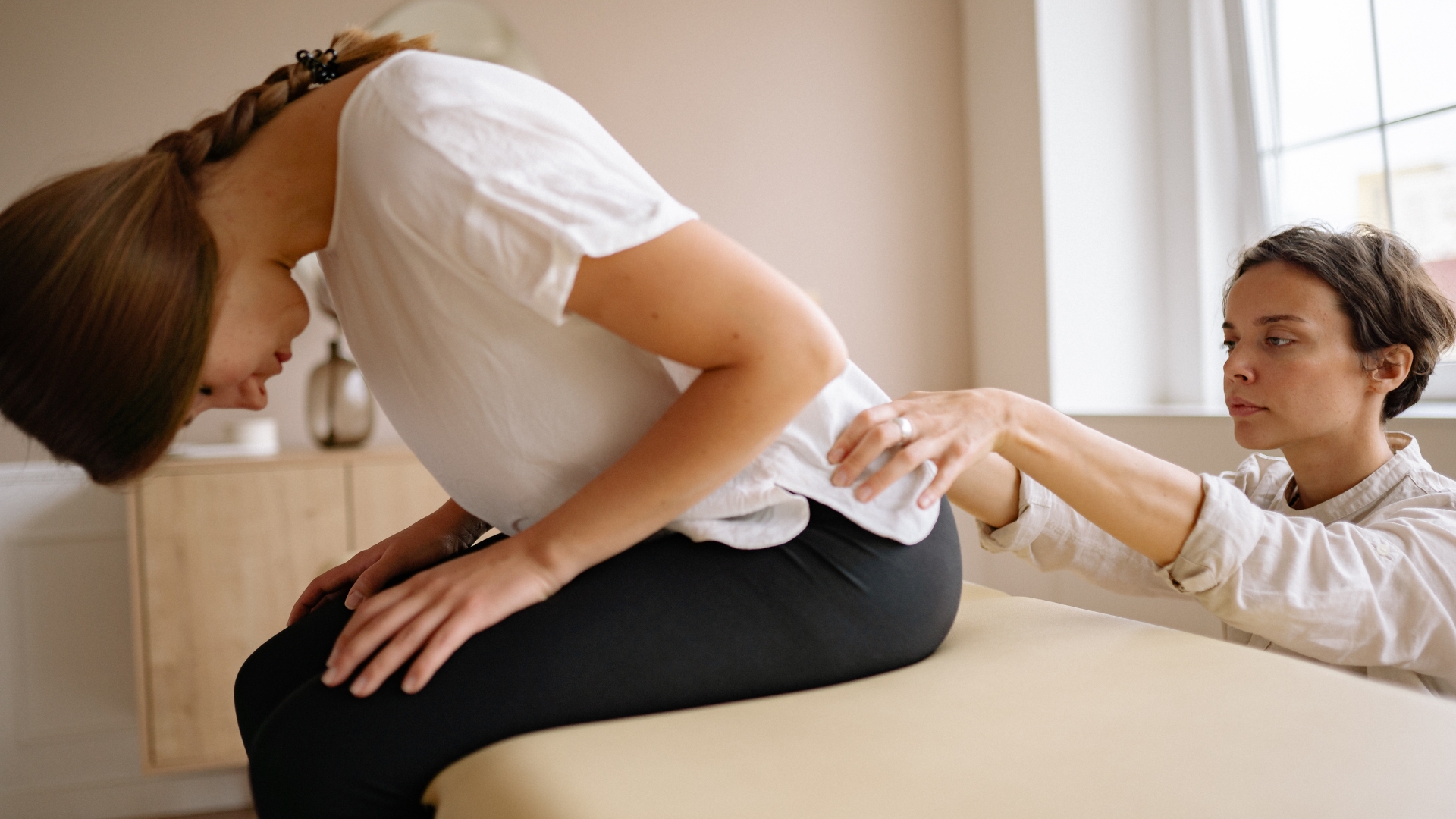
This is where pelvic floor physiotherapy can be valuable. A specialist assessment can establish whether you are activating the muscles correctly, whether the issue involves weakness, overactivity, poor coordination or prolapse-related change, and what kind of rehabilitation is most appropriate. Depending on findings, this may include hands-on assessment, retraining, breathing work, biofeedback, or structured guidance on returning to exercise.
For women who want a further non-invasive option, EMSELLA may also be considered as part of the pathway. EMSELLA is designed to stimulate pelvic floor contractions at a therapeutic level and can complement rehabilitation where symptoms have not improved sufficiently with home exercises alone. EMSELLA pelvic floor strengthening in Marylebone
That does not mean it replaces everything else. It should sit within proper clinical reasoning. For some women, targeted rehabilitation is the right starting point. For others, EMSELLA may be a useful addition, or a practical option where time, confidence or difficulty engaging the muscles has become a barrier.
Pelvic floor support in London after having a baby
If you are looking for pelvic floor support in London after childbirth, it is worth choosing a clinic that assesses the full picture rather than defaulting to generic advice.
At Bodyfunction’s Marylebone clinic, assessment starts with understanding what symptoms you are actually dealing with — how long they have been present, what type of birth you had, whether there are prolapse or bladder symptoms, and whether EMSELLA is likely to be appropriate for your situation. EMSELLA treatment in Marylebone
https://bodyfunction.co.uk/locations/islington-clinic/For some women, pelvic floor physiotherapy will be the right next step. For others, a broader osteopathic and postural assessment adds useful insight, particularly where pelvic floor symptoms sit alongside abdominal weakness, breathing issues, back pain or postnatal recovery more broadly. osteopathic assessment at our Islington clinic
For women who are exhausted, stretched for time, and struggling to prioritise their own recovery, the practical reality of EMSELLA is also worth knowing: sessions are around 28 minutes, non-invasive, and require no downtime. That is not a small thing when you are a new mother trying to fit everything in.
Take the next step
If you are experiencing pelvic floor symptoms after pregnancy, a consultation is the right first step. The aim is to work out what is actually going on and what approach is most likely to help — not to push everyone towards the same treatment.
At Bodyfunction’s Marylebone clinic, symptoms are assessed individually and treatment options — pelvic floor rehabilitation, osteopathic support, EMSELLA, or a combination — are discussed based on what is actually appropriate.
Book a consultation at Bodyfunction’s Islington clinic
Frequently asked questions
How soon can I start postnatal pelvic floor exercises? If your recovery is straightforward, gentle pelvic floor exercises can usually begin as soon as you feel able after birth. If you had complications, significant tears or other concerns, follow your clinician’s guidance before starting.
How long does it take the pelvic floor to recover after childbirth? Recovery varies considerably depending on the type of birth, whether there was tearing or trauma, and the level of support received. NHS guidance suggests that with consistent, correctly performed exercises, muscles can take up to around three months to get meaningfully stronger. Some women recover more quickly; others, particularly after more complex births, may need longer and benefit from professional support.
Can you have pelvic floor weakness after a caesarean? Yes. A caesarean does not remove the effects of pregnancy itself on the pelvic floor. The sustained load of carrying a baby throughout pregnancy can still reduce pelvic floor strength and support, which is why some women experience weakness, leaking or heaviness after a caesarean as well as after vaginal birth.
What are the common signs of pelvic floor problems after childbirth? Common signs include leaking urine when coughing, sneezing, laughing or exercising, urgency or difficulty holding on, a feeling of heaviness or prolapse-like pressure, difficulty fully emptying the bladder, and discomfort during sex.
When should I get professional help for postnatal pelvic floor symptoms? If symptoms are persistent, affecting daily life, or if you are unsure whether you are doing exercises correctly, a professional assessment is sensible. NICE guidance encourages clear pathways to support for pelvic floor dysfunction, and symptoms that last beyond the early recovery period are worth taking seriously.
Can EMSELLA help with pelvic floor recovery after childbirth? EMSELLA may help some women as part of a postnatal pelvic floor recovery plan, particularly where symptoms have not improved sufficiently with exercises alone. Suitability is assessed individually as part of a consultation.