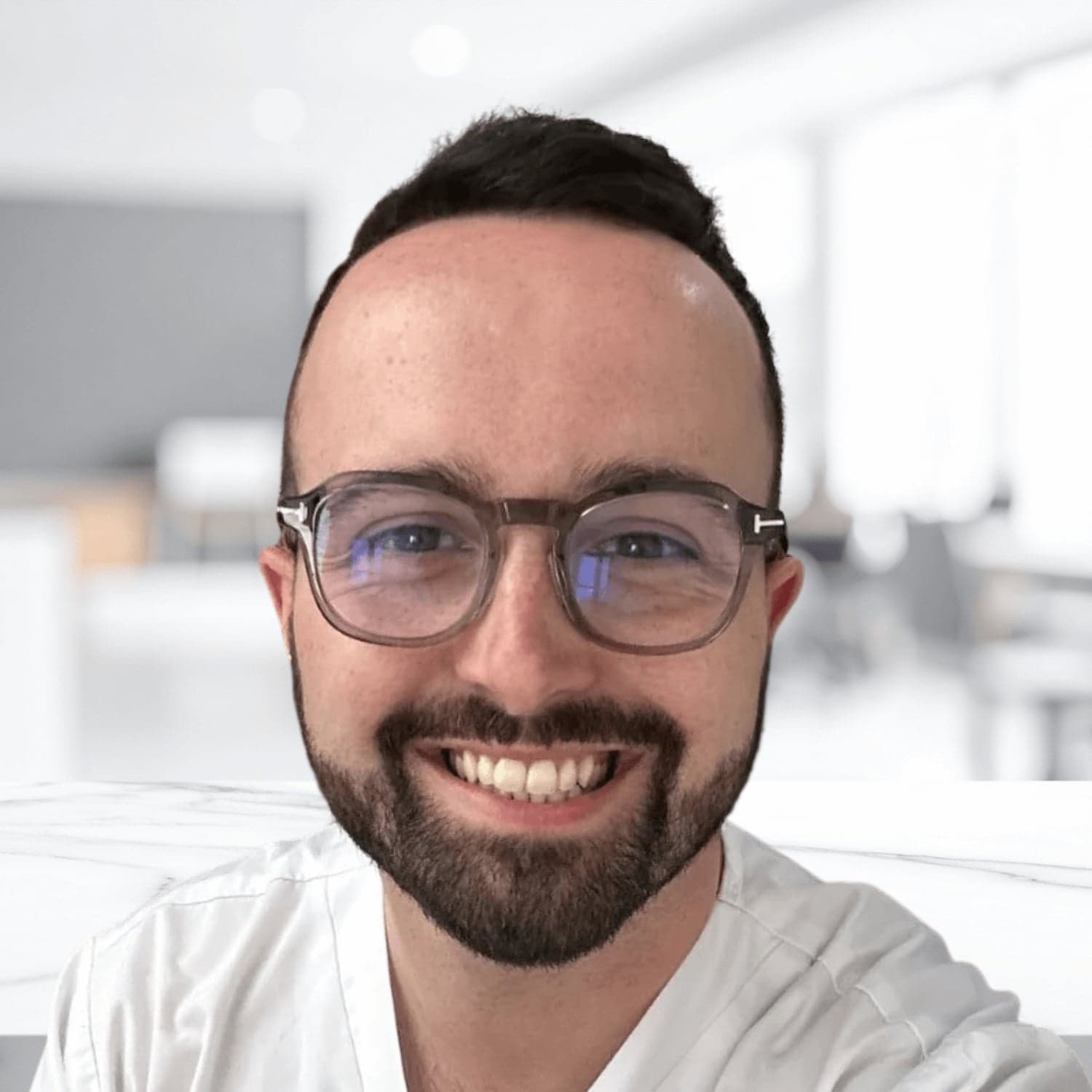
Danny Morgan
Clinical Director & Principal Osteopath
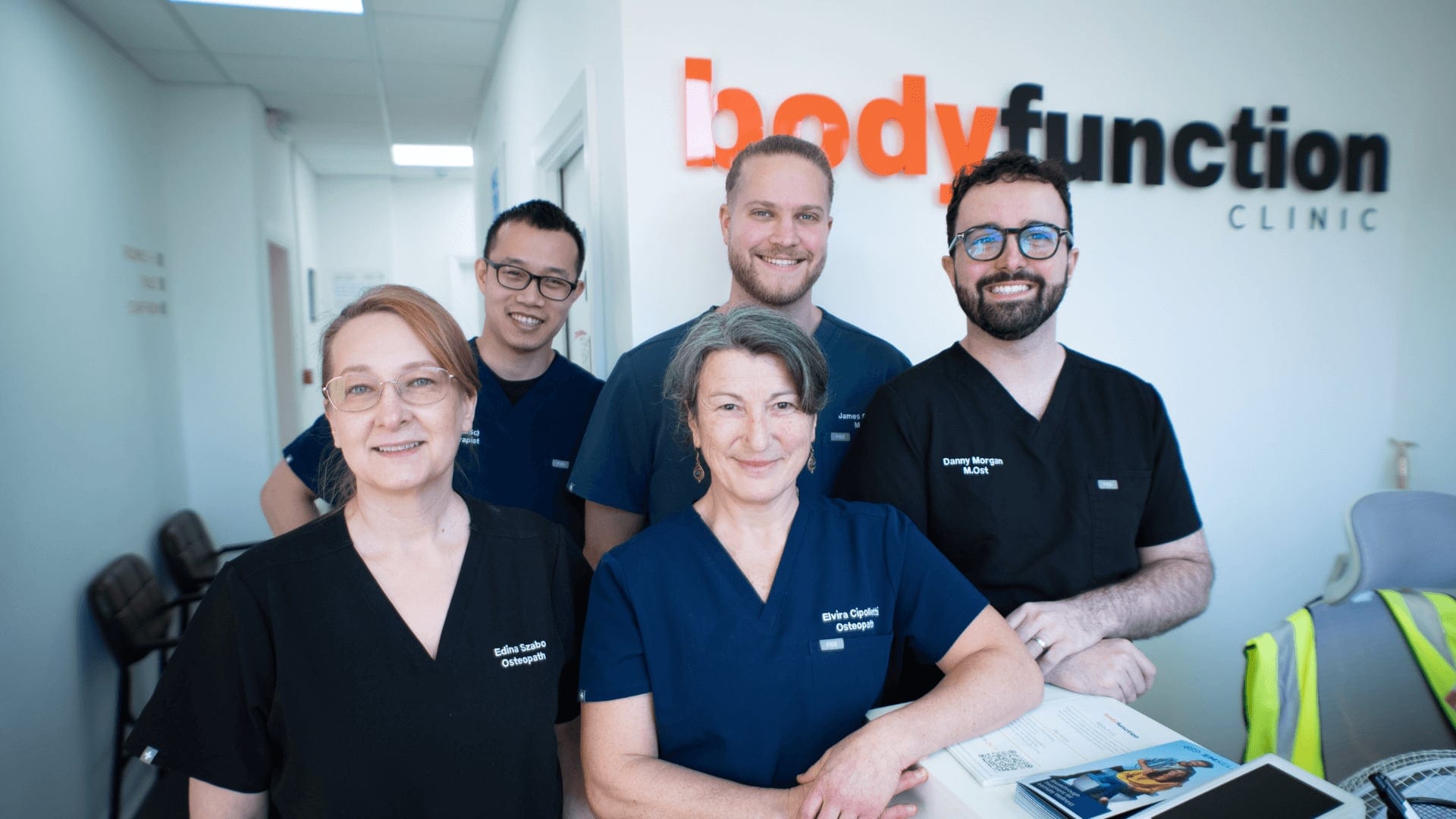
10 Barnsbury Road, Islington N1 0HB
Move better with local expert care
Bodyfunction Clinic provides osteopathy and physiotherapy for people dealing with pain, injury, or movement problems that affect everyday life.
People come to us with a wide range of concerns, from back or neck pain to sports injuries, joint problems, and recurring aches that impact work, sleep, or exercise. Some attend after a recent flare-up, while others are managing symptoms that have gradually become harder to ignore.
Our approach is assessment-led and evidence-informed, focusing on understanding what is contributing to your symptoms and supporting confident, sustainable movement rather than short-term fixes.
Health insurance accepted at our Islington clinic
We work with leading UK health insurance providers, including Bupa, AXA, Vitality, Aviva, Allianz and more. If you are insured, you may be able to access treatment with us following authorisation from your insurer. If you are unsure whether your policy is covered, get in touch and our team will be happy to advise.


We support people with a broad range of musculoskeletal problems, including pain that:
Most musculoskeletal pain is manageable with the right approach. A clear assessment helps guide appropriate treatment and next steps.
Explore common problems we help with:
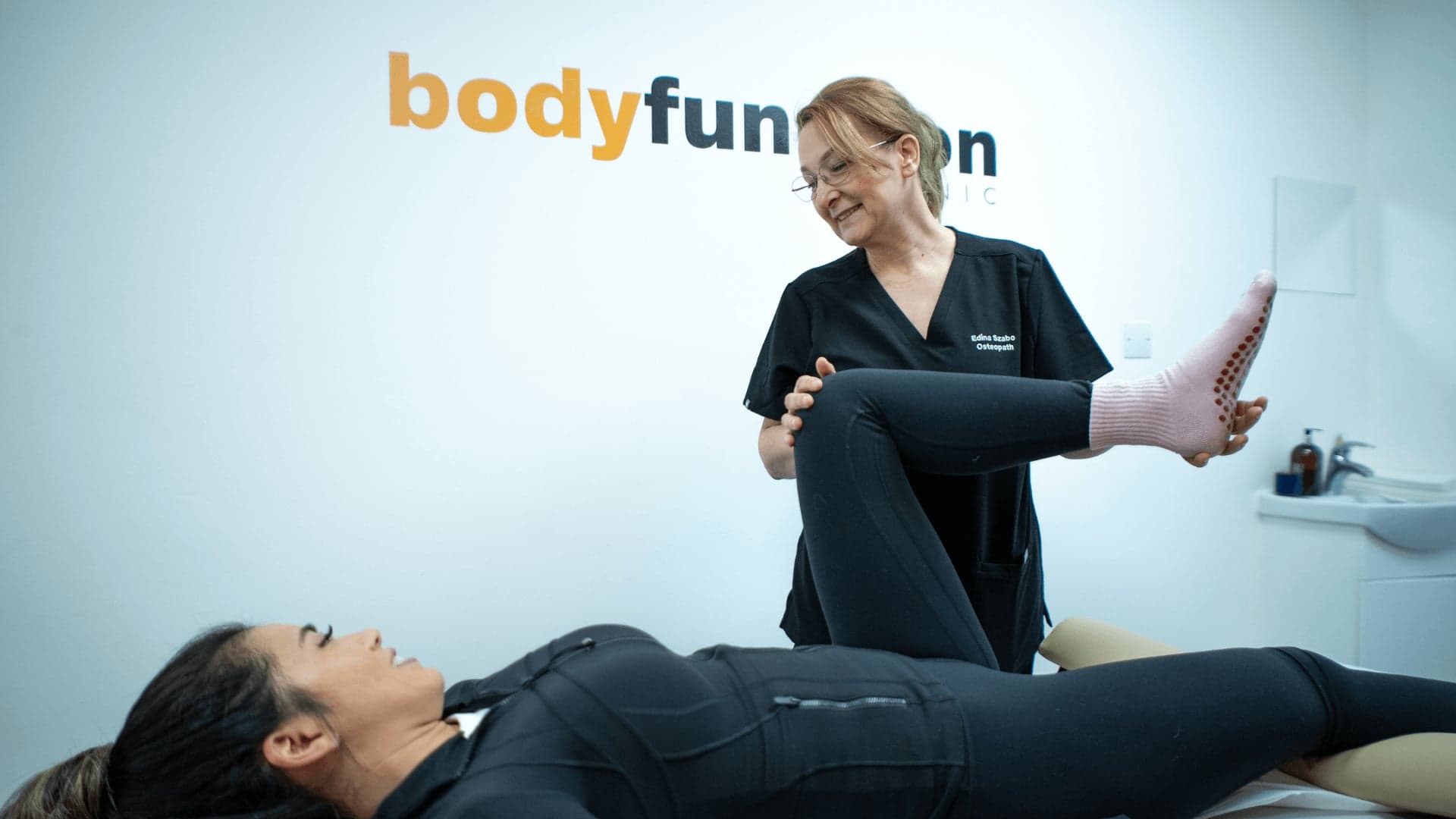
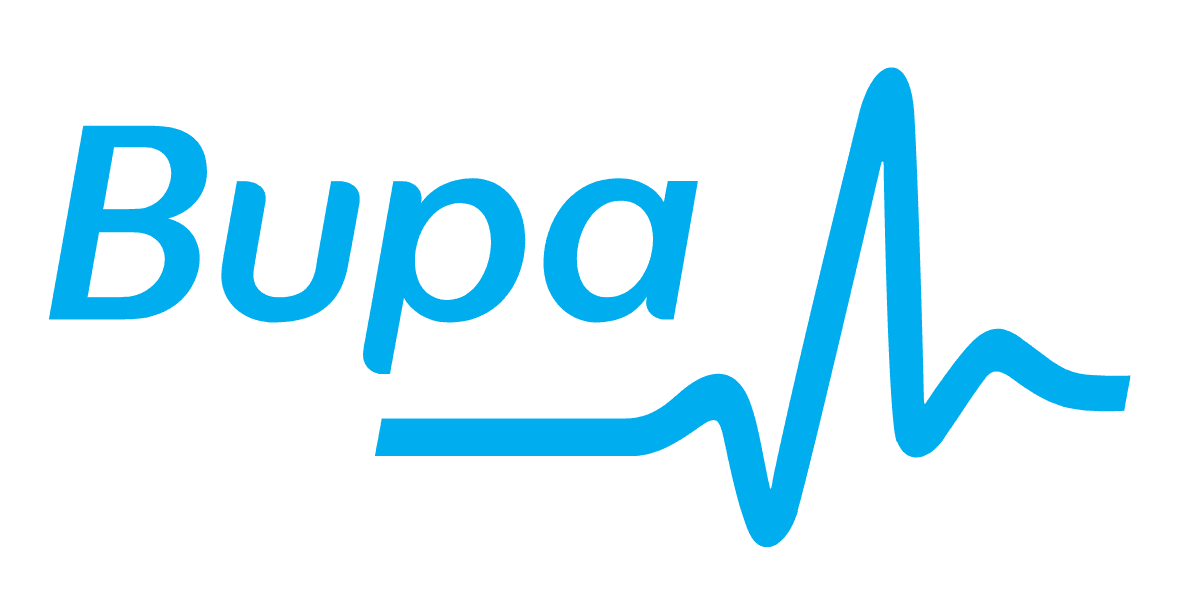
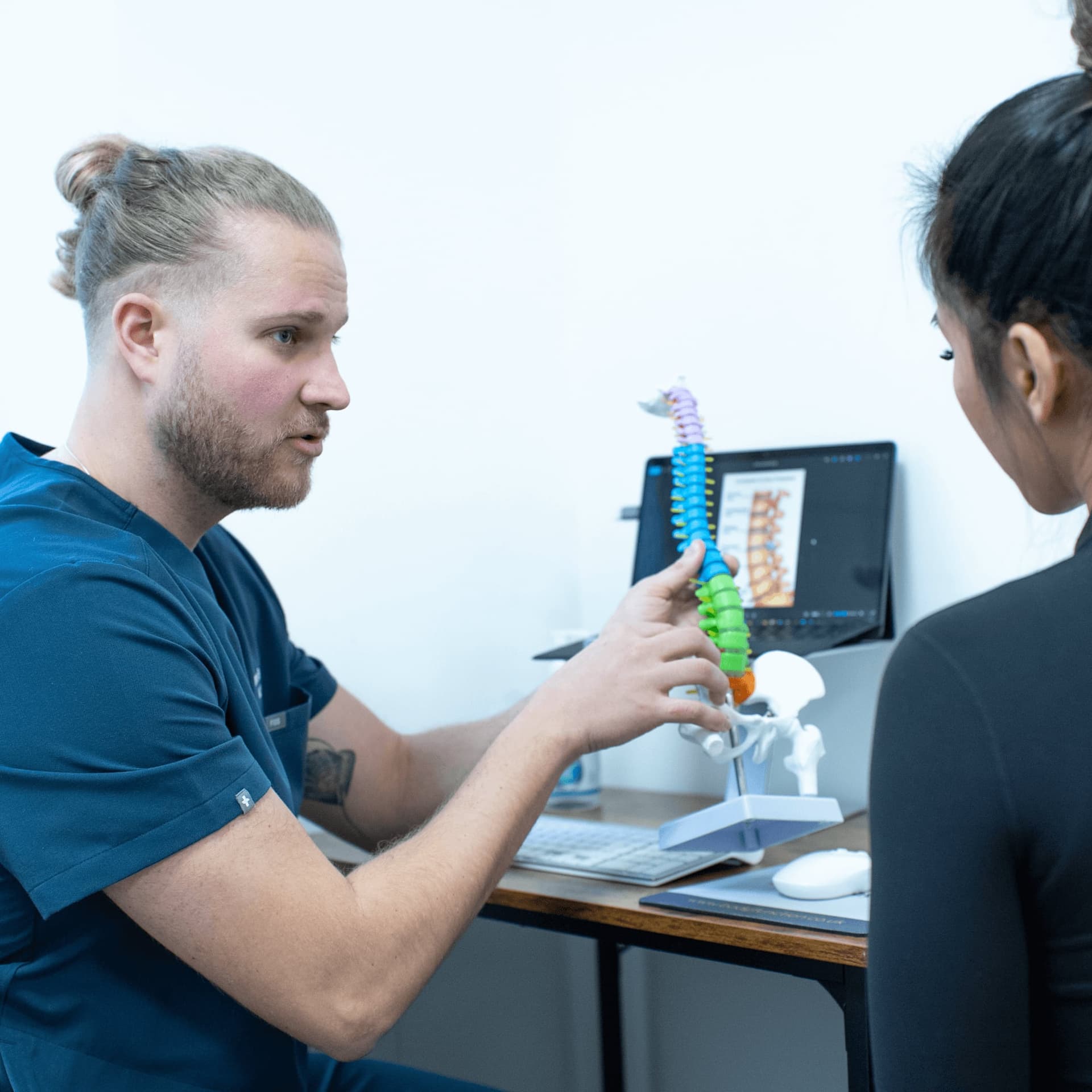
Osteopathy is the most common reason people visit Bodyfunction Clinic. It is a hands-on healthcare approach that considers how joints, muscles, nerves, and movement patterns interact.
Treatment is tailored to the individual and may include manual techniques, movement guidance, and advice to support recovery and reduce recurrence. Osteopathy is suitable for both acute flare-ups and longer-term or recurring problems.
Physiotherapy focuses on rehabilitation, strength, and restoring function following injury, surgery, or ongoing pain.
At Bodyfunction Clinic, physiotherapy is a dedicated, standalone service tailored to your goals, symptoms, and stage of recovery. If a different type of support would be more appropriate, we’ll discuss that with you openly and help you choose the right next step.
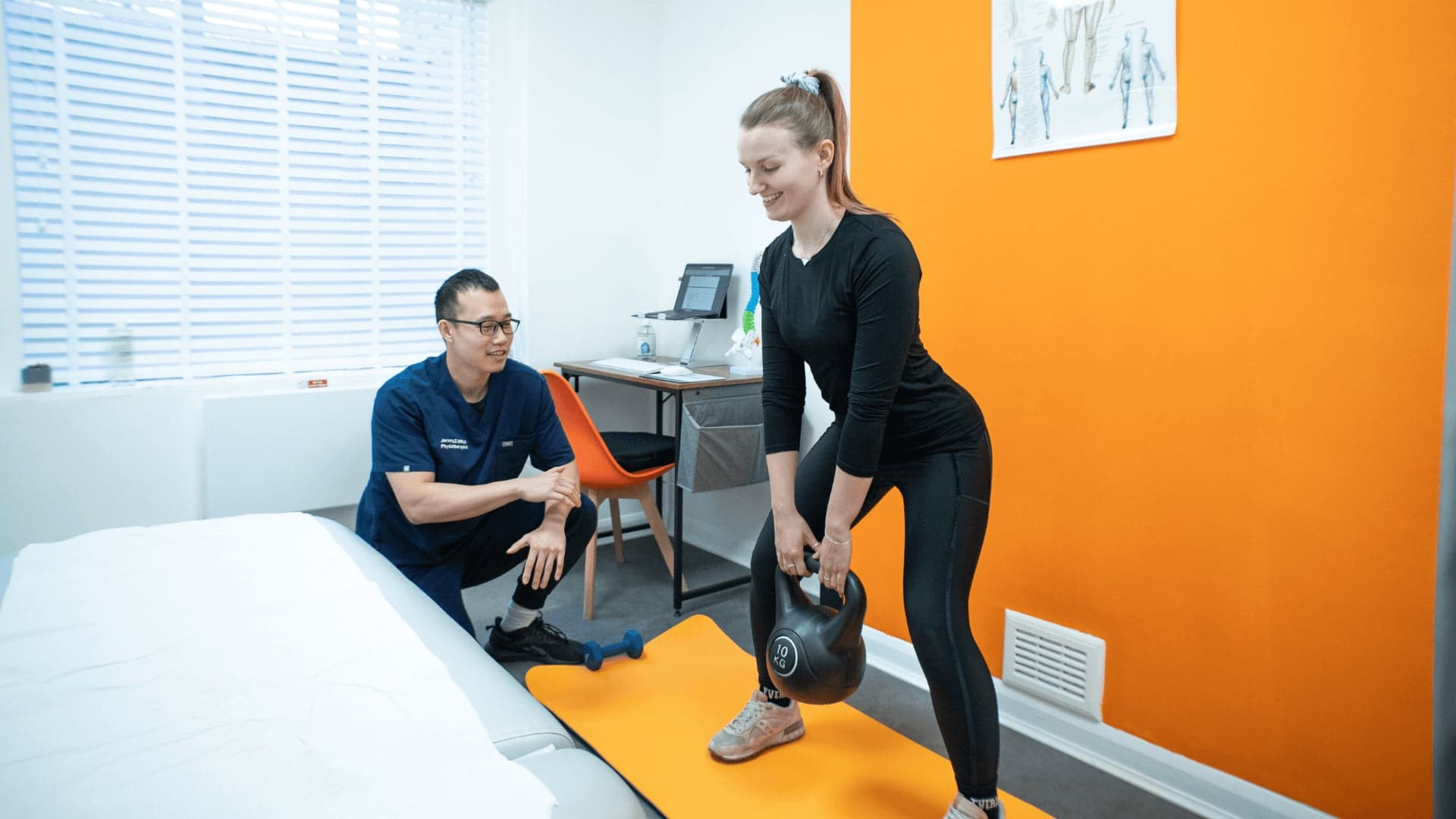
These services are offered at our Islington clinic as part of a wider, considered approach to care.
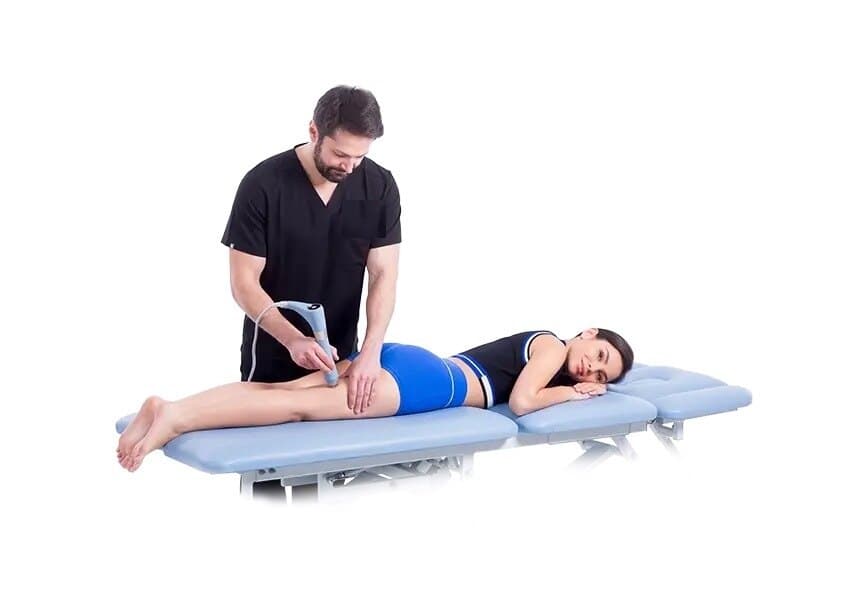
Pressure-wave treatment for stubborn tendon and heel pain, such as plantar fasciitis and Achilles or elbow tendinopathy. Available at our Islington clinic.
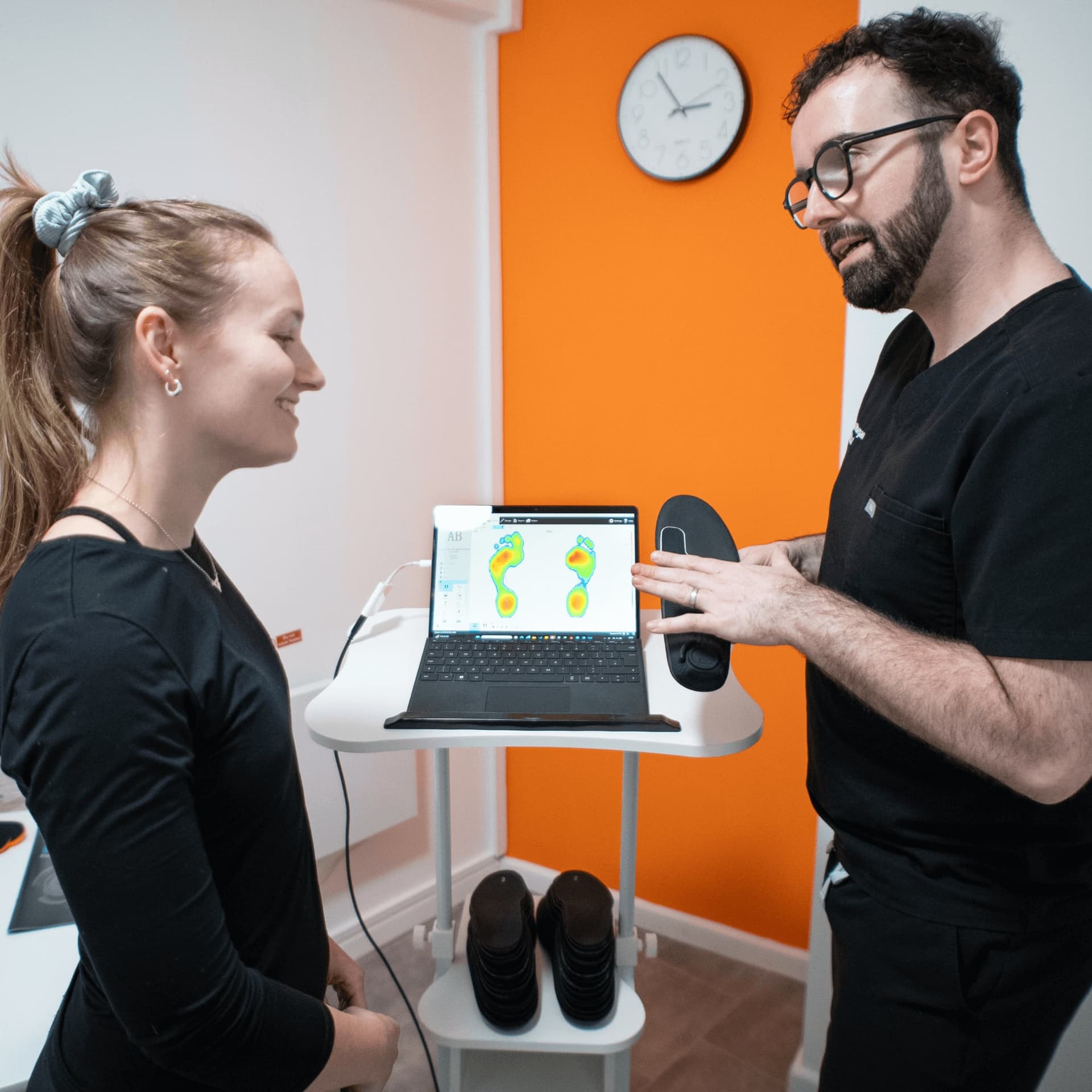
Bespoke insoles to improve alignment, comfort and everyday movement. Available at our Islington clinic.
Many people choose Bodyfunction Clinic after reading reviews from other patients who have been dealing with pain, injury, or movement problems.
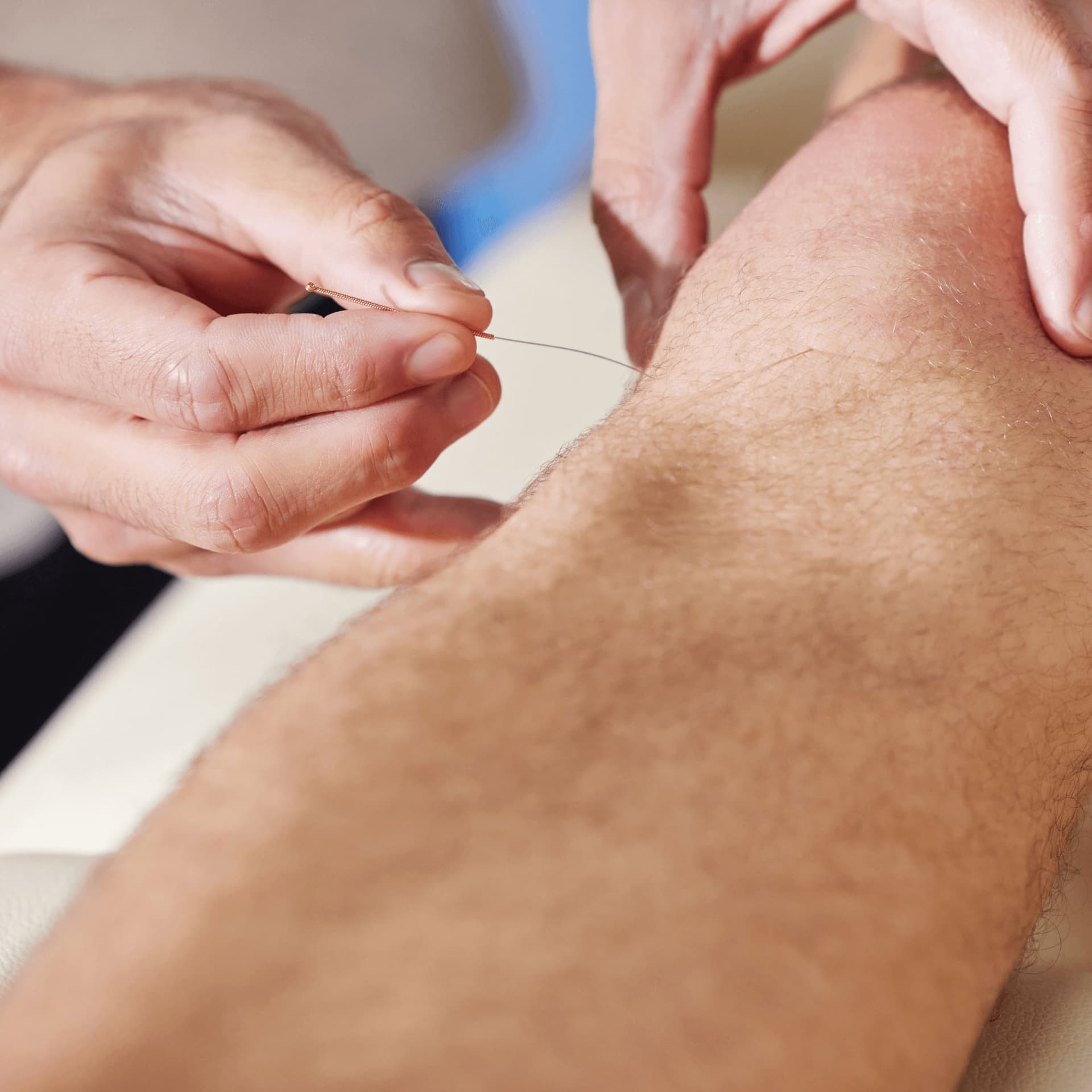
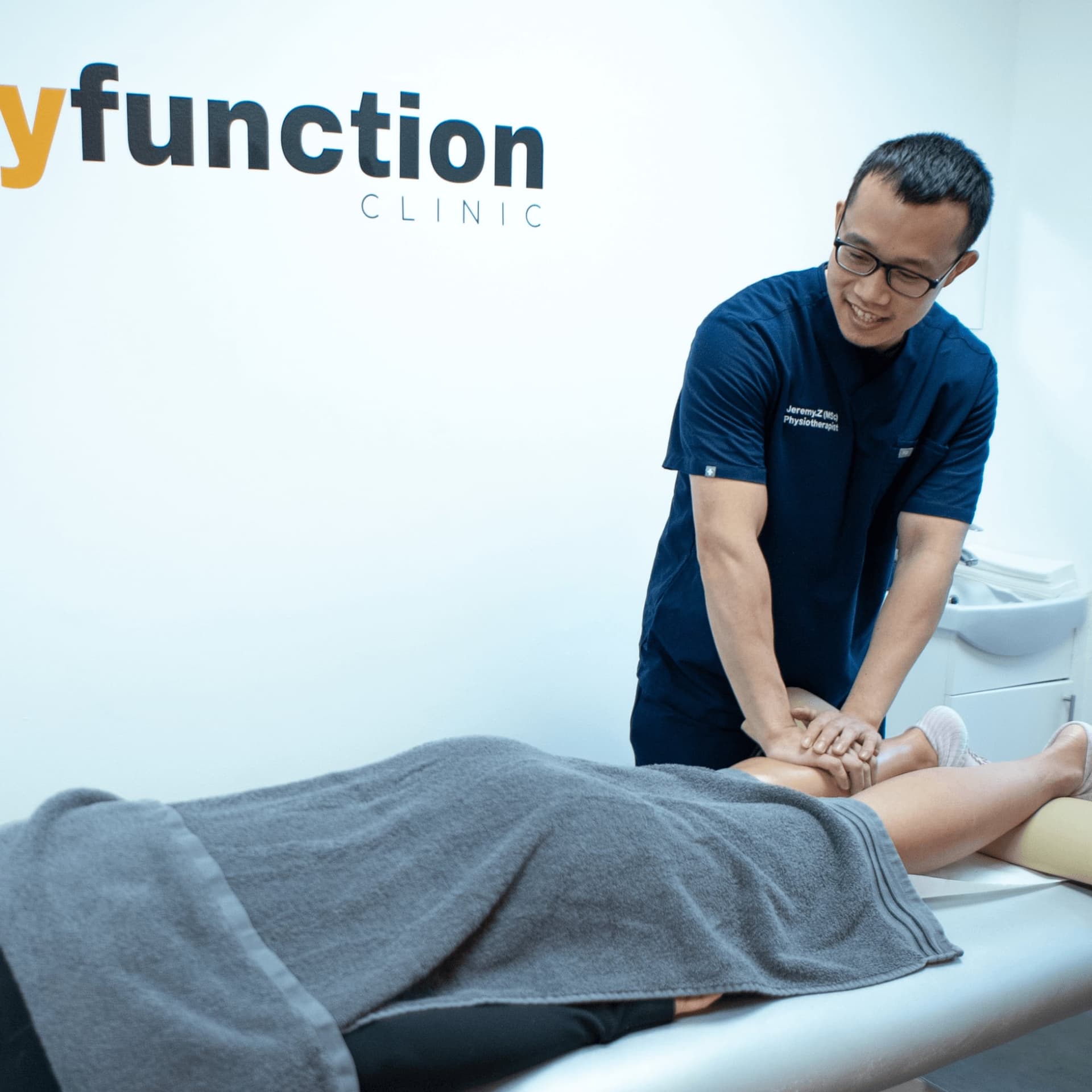
In addition to osteopathy and physiotherapy, we also offer treatments such as sports massage and medical acupuncture where appropriate. These are used to support comfort, movement, and recovery as part of a broader plan rather than as standalone solutions.
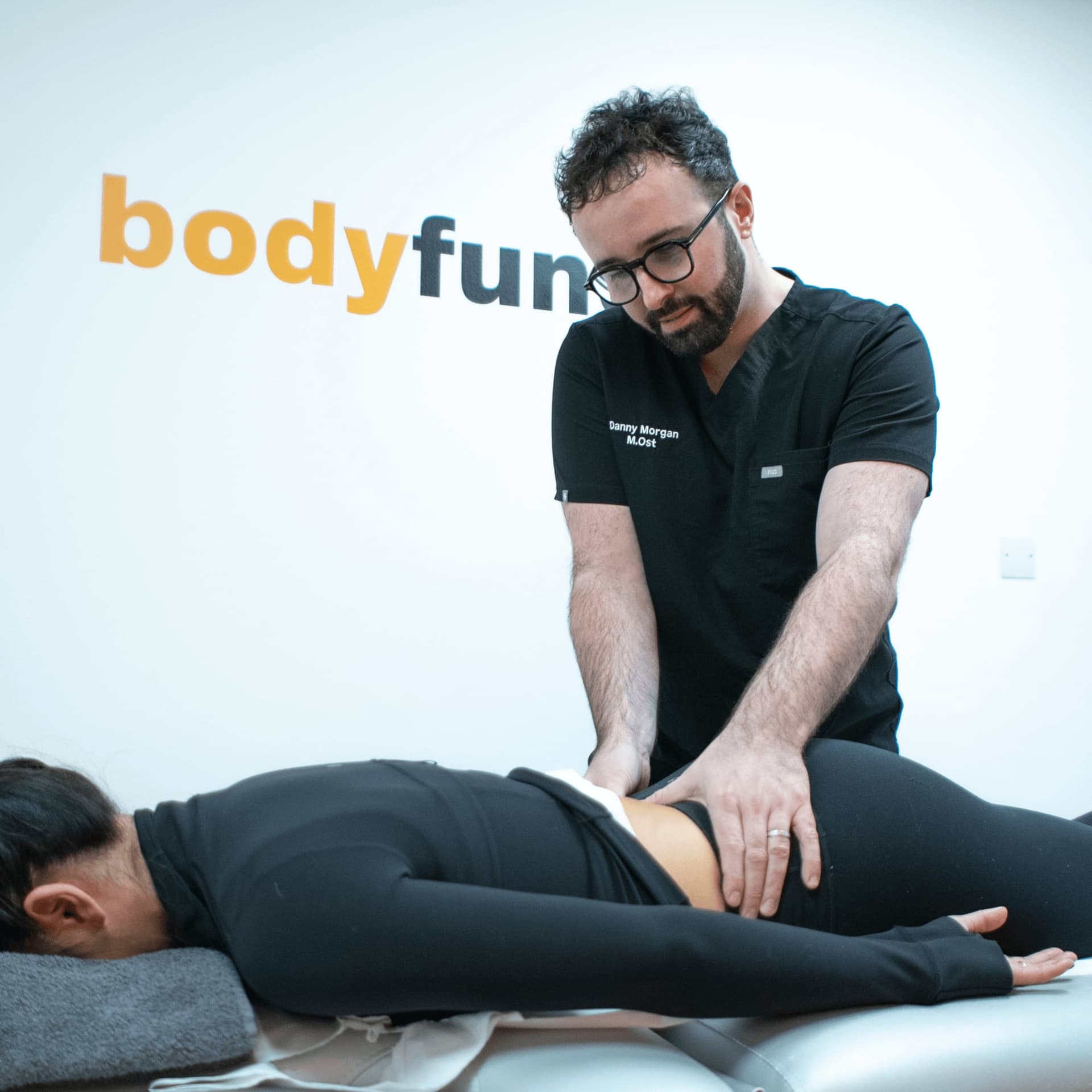
If you are dealing with pain, injury, or movement problems and want a clear, supportive approach, we’re here to help.
Appointments are available at our Islington clinic with experienced practitioners who take the time to understand your situation and guide recovery
Care led by real expertise.
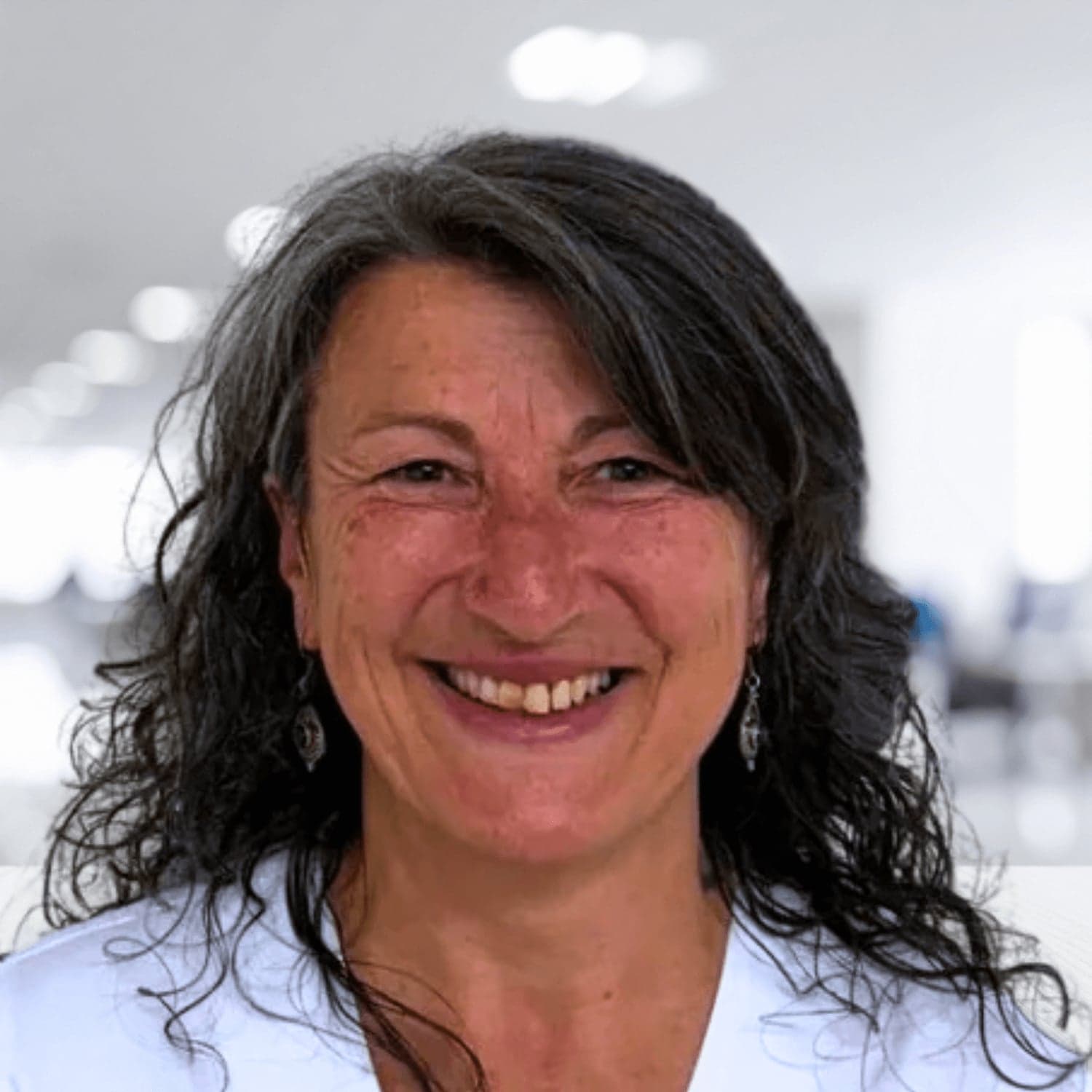
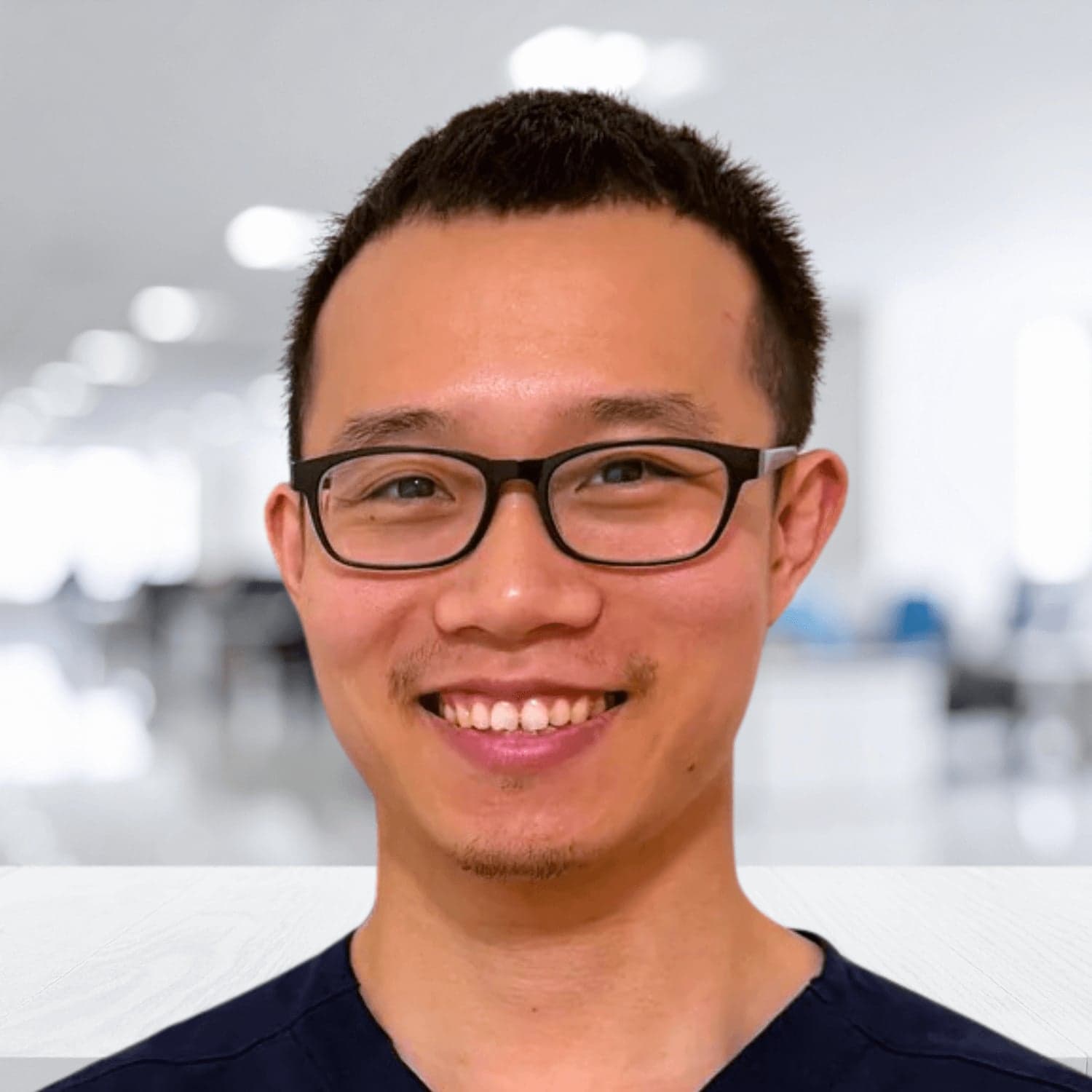
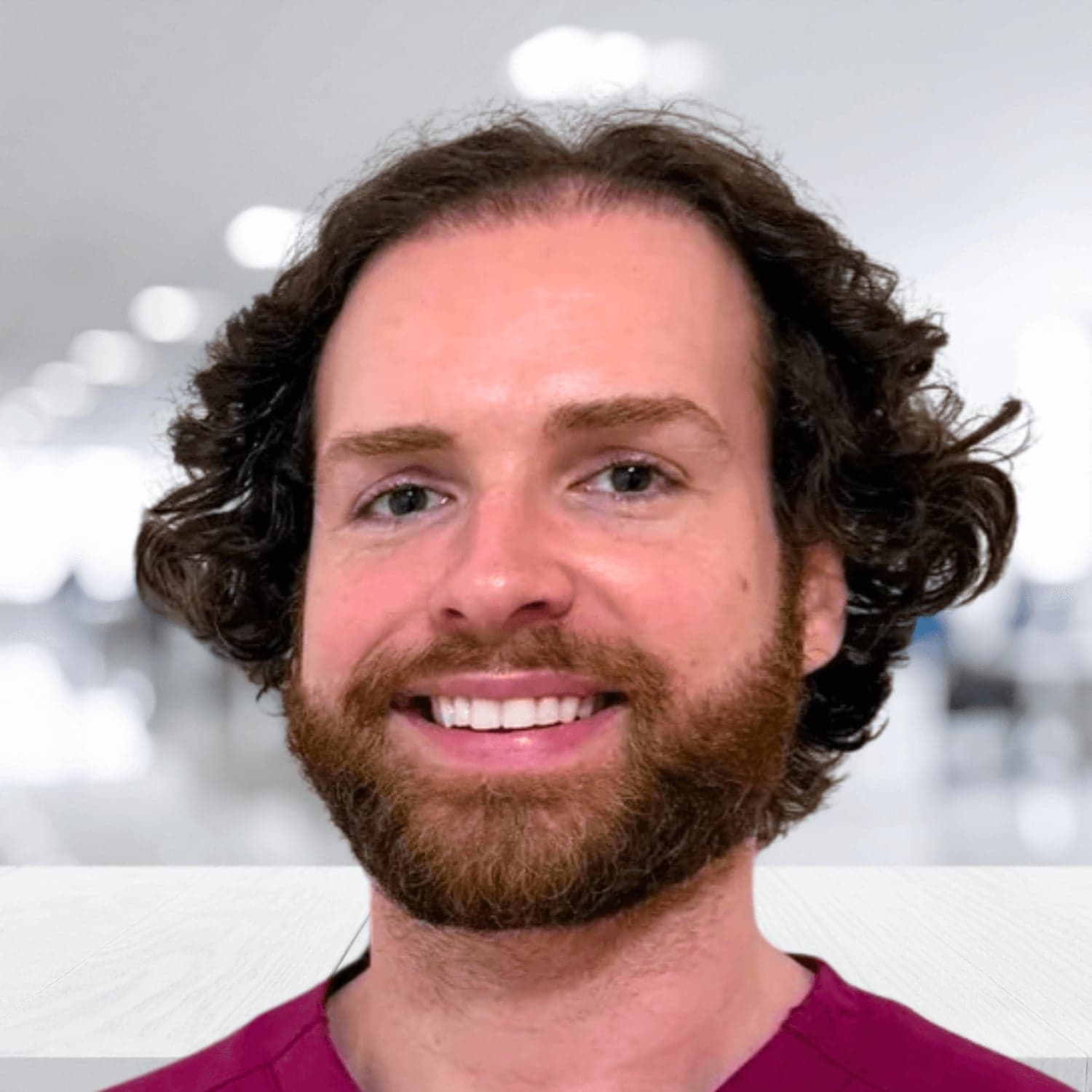
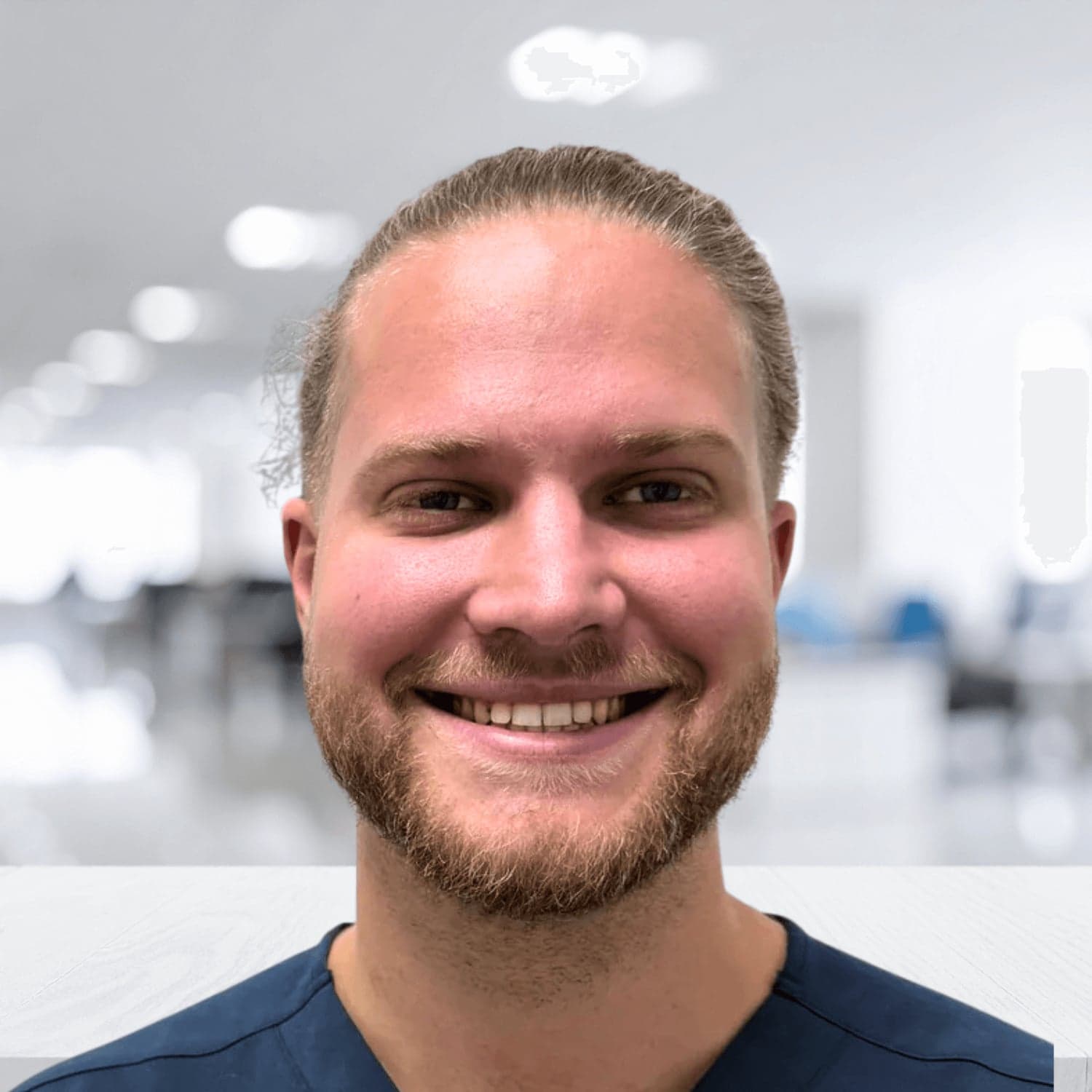
Bodyfunction is clinician-led. You can review each practitioner’s profile, including their focus areas and approach, then book directly online.