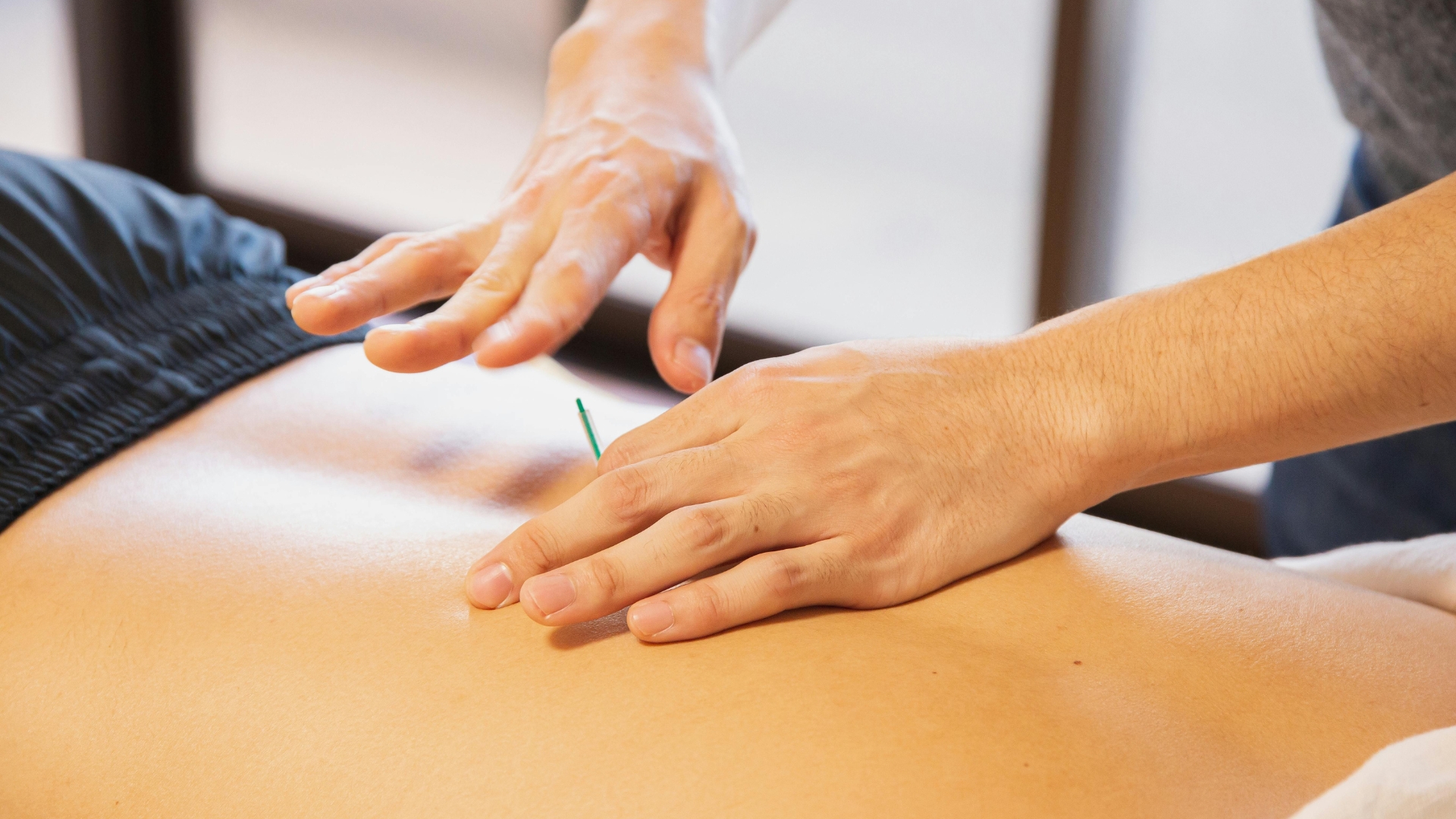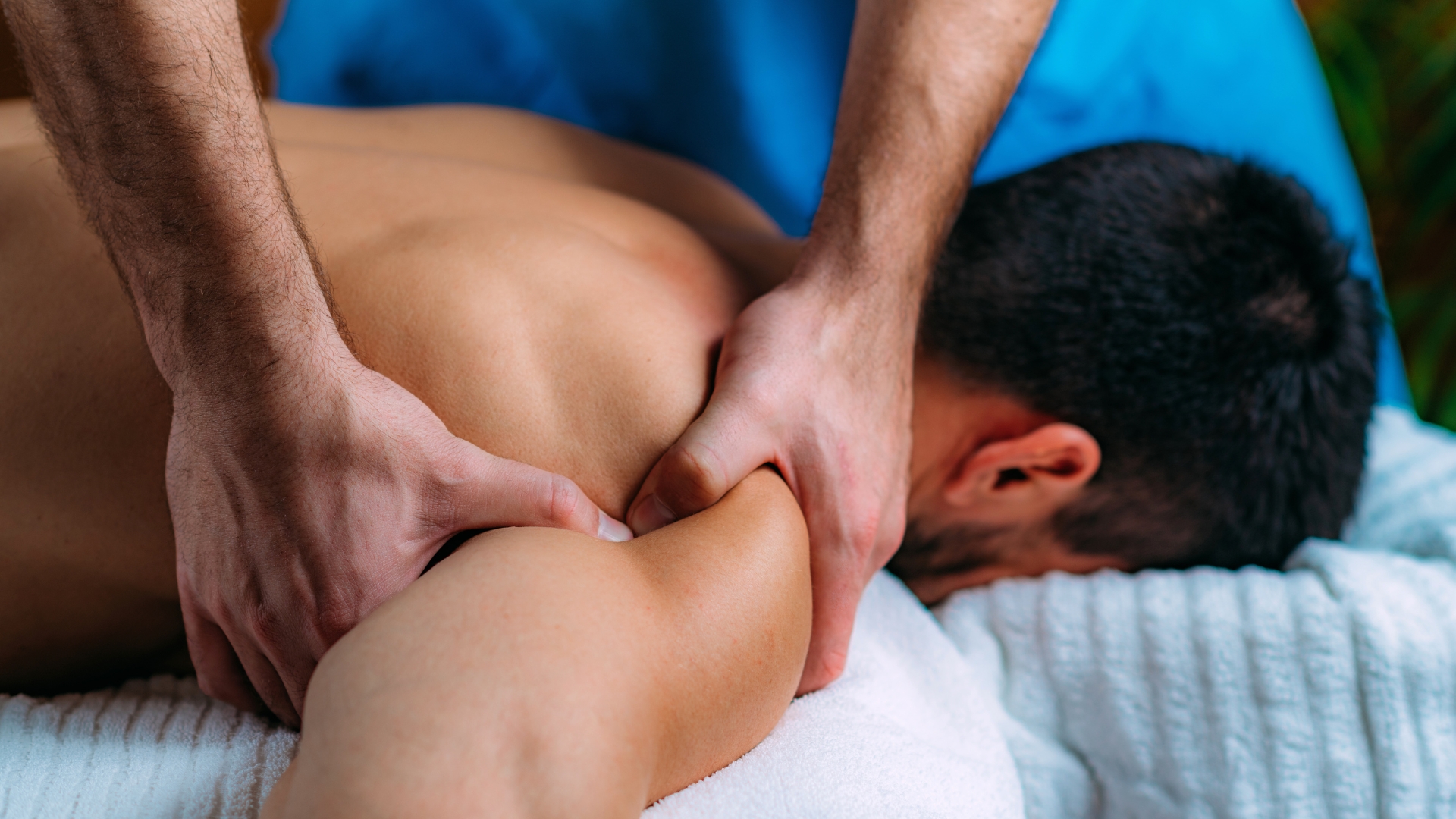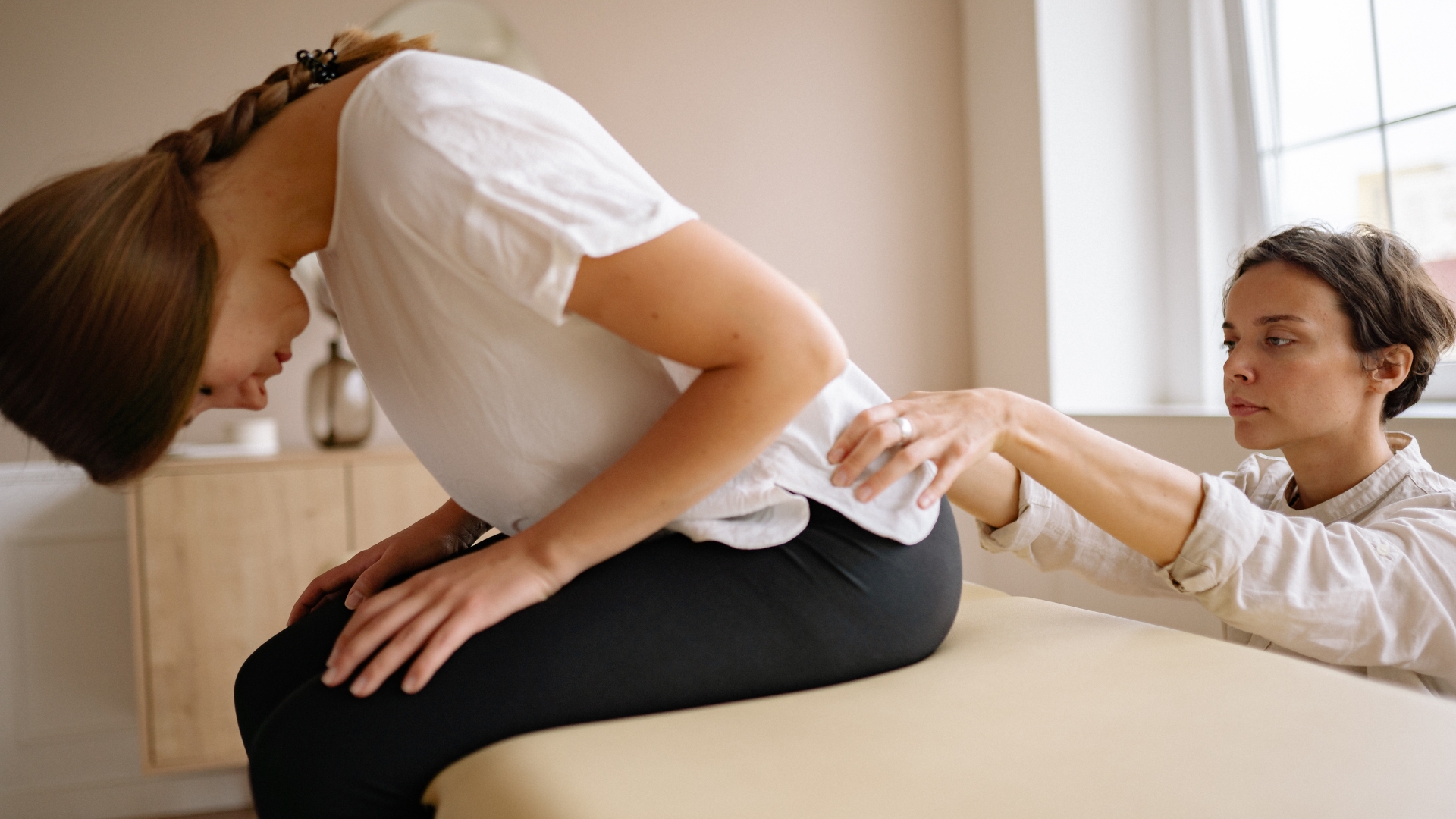
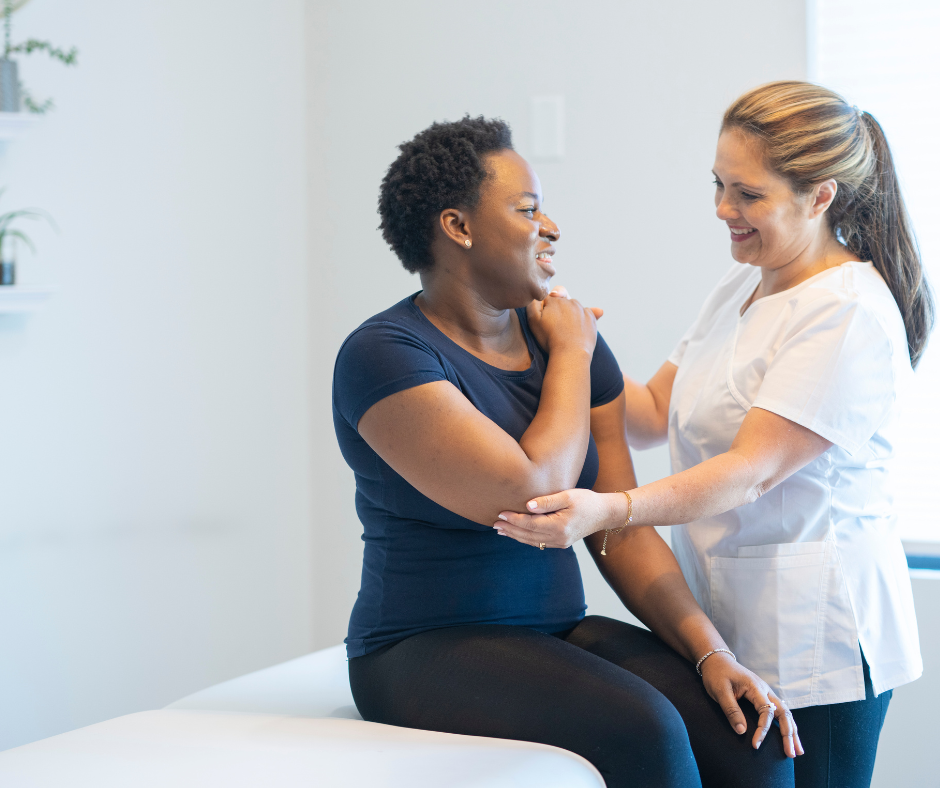
Osteopathy is a holistic form of healthcare that focuses on treating the whole body by addressing issues in the musculoskeletal system—our bones, muscles, and joints. As an osteopath, I often encounter a wide range of patients, from young children to the elderly, all of whom can benefit from osteopathic care. But who exactly benefits from osteopathy? The truth is, osteopathy can offer significant advantages to many people across different stages of life and for various health conditions. In this blog, we’ll explore the diverse groups of individuals who can benefit from osteopathy and how it can improve their overall wellbeing.
1. Individuals with Musculoskeletal Pain
Musculoskeletal pain, which includes discomfort in the back, neck, joints, and muscles, is one of the primary reasons people seek osteopathic treatment. Osteopathy is particularly effective in treating:
- Back Pain: Whether it’s caused by poor posture, injury, or a chronic condition like sciatica, osteopathy can help by realigning the spine, reducing muscle tension, and promoting better movement.
- Neck and Shoulder Pain: Many people experience tension in their neck and shoulders due to stress or sitting for long periods. Osteopathy can relieve this tension, improving mobility and reducing pain.
- Joint Pain: Conditions like arthritis, repetitive strain injuries, and sports injuries can lead to joint pain. Osteopathic techniques can improve joint function and alleviate pain, helping you stay active.
2. Pregnant Women
Pregnancy brings about significant physical changes, and many women experience discomfort or pain as their bodies adapt to support the growing baby. Osteopathy can be an invaluable resource during pregnancy, offering:
- Relief from Back and Pelvic Pain: As the baby grows, the added weight and shifting centre of gravity can strain the lower back and pelvis. Osteopathy can help maintain balance and alignment, reducing discomfort.
- Support for Circulation and Swelling: Osteopathic techniques can improve blood flow, helping to reduce swelling in the legs and feet, a common issue during pregnancy.
- Preparation for Labour: By promoting flexibility and balance in the pelvis, osteopathy can help prepare the body for a smoother labour and delivery.
3. Babies and Children
Osteopathy isn’t just for adults—it can also be beneficial for babies and children. Paediatric osteopathy uses gentle, non-invasive techniques to address various issues in infants and young children, such as:
- Colic and Digestive Issues: Osteopathy can help ease colic and digestive discomfort in babies by improving the function of the digestive system and relieving tension in the abdomen.
- Sleep Problems: If your child has difficulty sleeping due to discomfort or tension, osteopathy can help promote relaxation and improve sleep quality.
- Developmental Support: Osteopathy can support healthy growth and development in children, especially those experiencing physical challenges or developmental delays.
4. Athletes and Active Individuals
For athletes and those who lead an active lifestyle, osteopathy can play a crucial role in both preventing injuries and enhancing performance. Osteopaths can help with:
- Injury Prevention: By ensuring the body is properly aligned and balanced, osteopathy can help reduce the risk of sports-related injuries.
- Rehabilitation from Injuries: If you’re recovering from an injury, osteopathy can support the healing process, reduce pain, and improve mobility.
- Optimising Performance: Osteopathic treatment can enhance flexibility, strength, and coordination, all of which are essential for achieving peak athletic performance.
5. People with Chronic Conditions
Living with a chronic condition can significantly impact your quality of life. Osteopathy can be a valuable part of managing chronic conditions by:
- Managing Chronic Pain: Osteopathic techniques can help alleviate chronic pain by improving joint function, reducing muscle tension, and promoting better overall body mechanics.
- Enhancing Mobility: For those with conditions that limit movement, such as arthritis or fibromyalgia, osteopathy can help maintain or improve mobility, making daily activities easier and more comfortable.
- Improving Overall Wellbeing: Osteopathy takes a holistic approach to treatment, which can lead to improvements in energy levels, sleep, and overall quality of life.
6. Elderly Individuals
As we age, our bodies undergo changes that can lead to stiffness, pain, and reduced mobility. Osteopathy can be particularly beneficial for older adults by:
- Alleviating Joint Pain and Stiffness: Osteopathy can help reduce the stiffness and discomfort often associated with ageing, helping you stay active and independent.
- Improving Balance and Coordination: By enhancing joint function and muscle strength, osteopathy can improve balance and reduce the risk of falls, which are a common concern for the elderly.
- Supporting Circulation and Organ Function: Osteopathy can support overall health in older adults by improving circulation, which can benefit heart health, digestion, and other vital bodily functions.
Conclusion: A Versatile and Holistic Approach to Health
Osteopathy is a versatile form of healthcare that offers benefits to a wide range of people, from newborns to the elderly. Whether you’re dealing with pain, recovering from an injury, managing a chronic condition, or simply looking to improve your overall health and wellbeing, osteopathy can provide a personalised and effective approach to care.
If you’re considering osteopathy, it’s important to consult with a qualified osteopath who can assess your individual needs and develop a treatment plan tailored to you. Osteopathy’s holistic approach ensures that treatment is focused on the whole person, helping you achieve better health and quality of life.