
Shoulder pain is very common and can affect lifting, reaching, sleeping, and everyday tasks. It may come on gradually from overuse or posture, or suddenly after strain or injury. Many people notice shoulder pain when lifting the arm or discomfort that worsens at night. In most cases, shoulder pain is manageable with the right combination of movement, self-care, and a tailored treatment plan. If your pain is persistent, worsening, or limiting your confidence in movement, an assessment can help clarify what is contributing and what will support recovery.
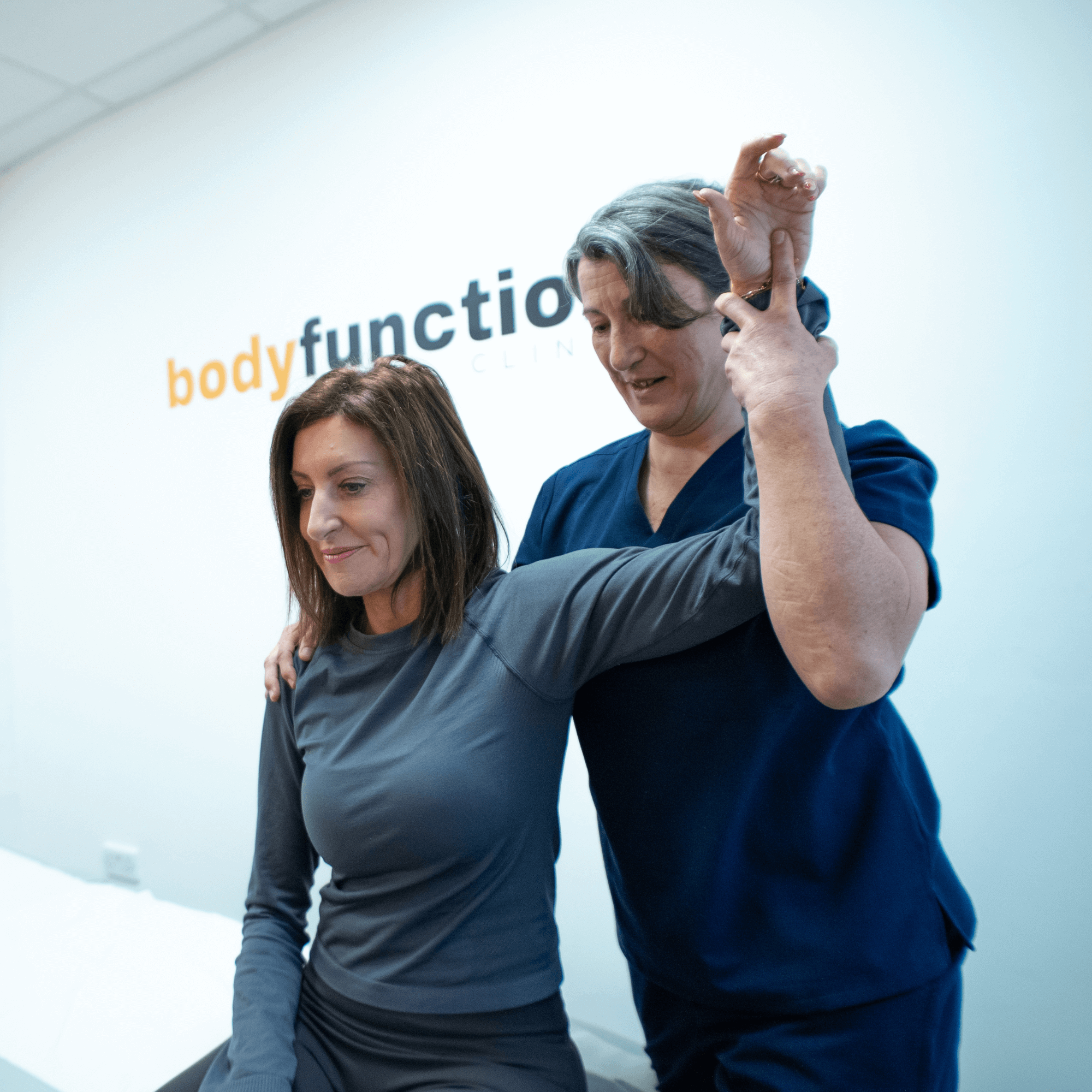
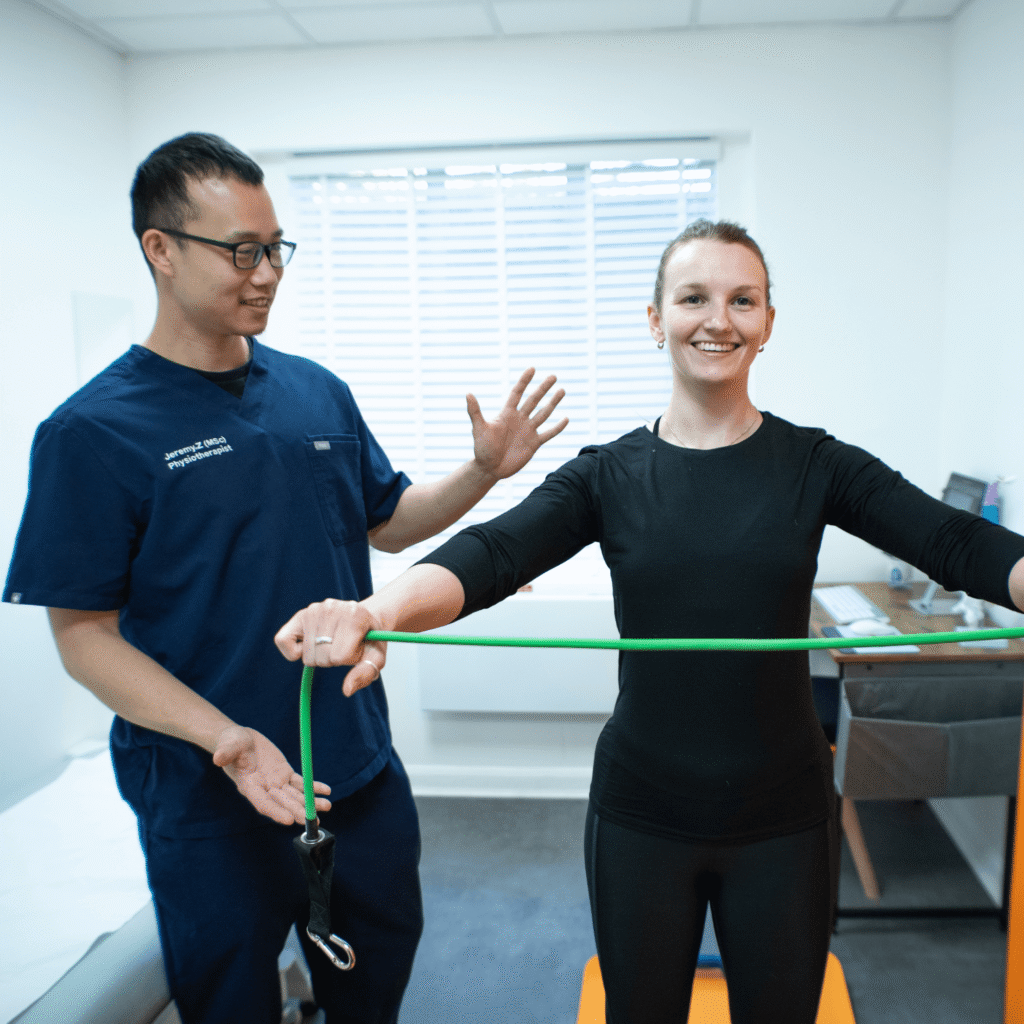
Shoulder pain refers to discomfort arising from the muscles, tendons, joints, and supporting tissues around the shoulder. Because the shoulder is designed for a wide range of movement, it can be sensitive to changes in load, posture, and activity.
Shoulder pain may be acute or persistent. Acute shoulder pain often follows strain or overuse and may settle within days or weeks. Persistent or recurring shoulder pain usually benefits from a clearer plan that looks beyond symptoms alone and addresses movement patterns, strength, habits, and recovery.
Shoulder pain can present in many ways, including:
Symptoms vary between individuals. An assessment can help clarify likely drivers and guide appropriate next steps.
These are common reasons people book in. If your issue is not listed, that is fine.
Book online or call and we will point you to the most suitable clinician.
Shoulder pain when lifting your arm
Pain when lifting the arm is a common concern and is often linked to how the shoulder is coping with load and movement. It may feel worse with overhead activities, reaching out to the side, or repetitive tasks. While this pattern can feel worrying, it does not automatically mean serious damage. If pain persists, worsens, or is accompanied by weakness or loss of movement, assessment is advisable.
Shoulder pain at night
Night-time shoulder pain can be particularly distressing. It may be influenced by sleeping position, reduced movement during the night, or increased sensitivity of irritated tissues. Simple changes to positioning and load during the day can help, but ongoing night pain that does not ease should be checked.
What frozen shoulder usually feels like
Frozen shoulder is a term commonly used when shoulder pain is accompanied by increasing stiffness and difficulty moving the arm, particularly with dressing or reaching overhead. Pain may be worse at night, especially in the earlier stages.
A note on phases (without over-medicalising)
Frozen shoulder is often described as progressing through phases, but the experience and timeline vary widely between individuals. Improvement is usually gradual, and a tailored approach is important rather than relying on fixed timelines.
What helps
Gentle movement, pacing, and guided rehabilitation can support recovery. If stiffness is increasing or function is significantly reduced, assessment can help clarify the most appropriate next steps.
Rotator cuff pain and shoulder impingement
Rotator cuff pain (what people mean)
The rotator cuff is a group of muscles and tendons that help control shoulder movement. Rotator cuff pain is often used to describe shoulder pain linked to lifting, reaching, or sleeping on the arm. Symptoms can vary, and the term is descriptive rather than a diagnosis.
Shoulder impingement (how it’s commonly described)
Shoulder impingement is often used to describe pain felt during certain shoulder movements. It does not always mean something is “trapped” or damaged, and many people improve with appropriate load management and rehabilitation.
Shoulder pain rarely has a single cause. Common contributing factors include:
- Repetitive lifting or overhead activity
- Gym or sport-related changes
- Sudden increases in workload
- Prolonged desk or screen work
- Reaching or working with arms held away from the body
- Limited movement variety
- Tendon irritation or stiffness patterns
- Reduced tolerance to load over time
Shoulder pain can also be influenced by the neck or upper back, which is why a broader assessment is often helpful.
Most shoulder pain is not serious, but some symptoms need urgent medical advice.
Seek urgent medical help if you have
Book an assessment soon if
Most shoulder pain improves, but knowing when to seek help matters.
When To seek Help about shoulder pain
Most shoulder pain is not serious, but some symptoms need urgent medical advice.
Seek urgent medical help if you have
Book an assessment soon if
Most shoulder pain improves, but knowing when to seek help matters.
Many people benefit from simple, practical steps:
Keep moving gently and avoid complete rest
Pace activities and manage load
Use heat or cold if it eases symptoms
Modify activities that aggravate pain
Adjust sleeping position and pillow support
If you use pain relief medication, a pharmacist or GP can advise what is appropriate. Persistent or recurring shoulder pain often benefits from assessment and a tailored plan.
These exercises suit many people. Stop if symptoms worsen or if you develop new numbness or weakness.
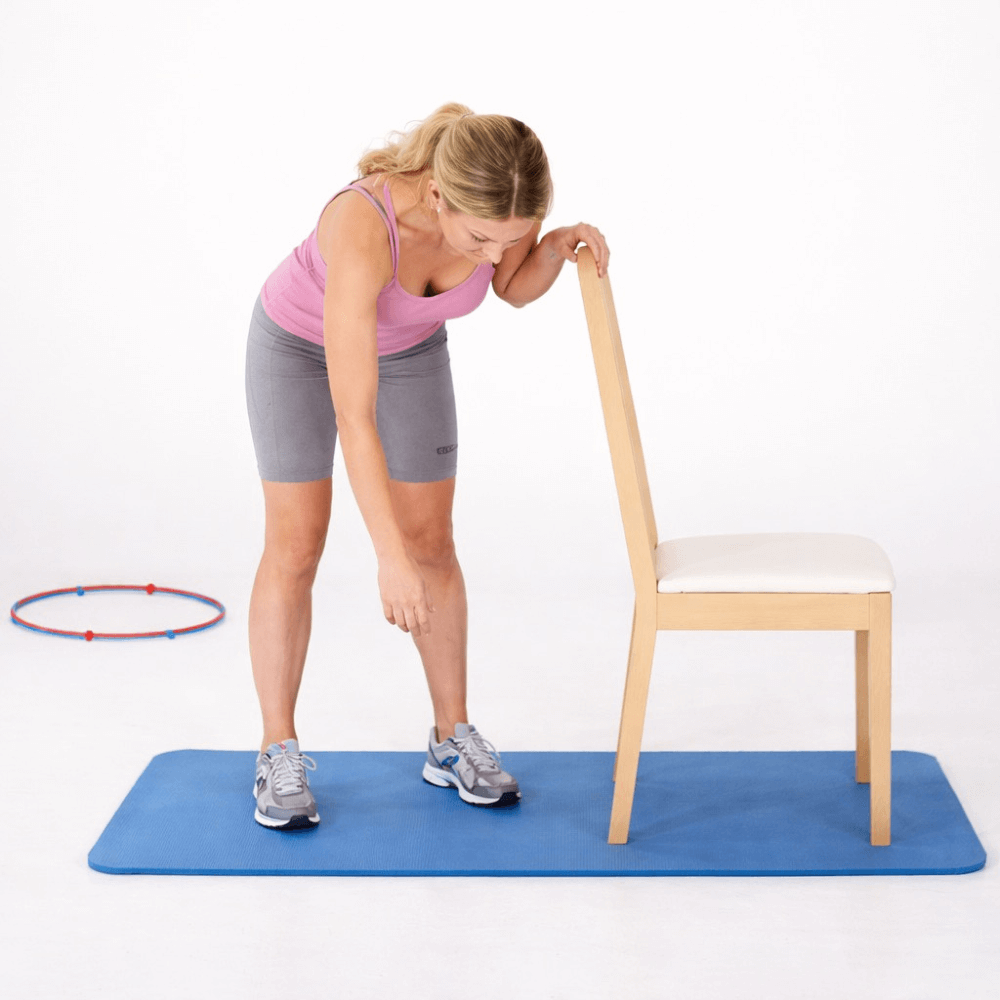
Who it may suit: Early pain or stiffness.
How to do it: Lean forward with support, let the arm hang and gently swing in small circles.
Stop if:Pain increases.

Who it may suit: Limited overhead movement
How to do it: Slide your hand up a wall within comfort, then slowly lower.
Stop if: Sharp pain occurs.

Who it may suit:Postural-related shoulder pain.
How to do it: Gently squeeze shoulder blades back and down, hold briefly, relax.
Stop if: Pain worsens.

Who it may suit: Early strengthening.
How to do it: Gently push the hand outward against resistance without moving the arm.
Stop if: Discomfort increases.

Who it may suit: Upper back stiffness affecting shoulder movement.
How to do it: Perform gentle upper-back rotation exercises.
Stop if: Symptoms worsen.
Treatment is most effective when tailored to the individual. Options may include:
The best approach depends on symptoms, goals, and how long pain has been present.
Our approach starts with understanding your pain, your routine, and what you want to return to.
Treatment is tailored and reviewed as you progress.
Your first appointment
We take time to understand your symptoms, assess movement, and explain what may be contributing to your shoulder pain. You will leave with a clear plan and practical next steps.
Osteopathy for shoulder pain
Osteopathy may help when shoulder pain is linked to stiffness, muscle tension, or movement restriction. Treatment is tailored to your needs and comfort.
Physiotherapy for shoulder pain (when rehab is the focus)
Physiotherapy can be helpful when strengthening, rehabilitation, and progressive loading are key to recovery.
How many sessions will I need?
This varies depending on symptoms, duration, and goals. Some people improve with a small number of sessions and a home plan, while others benefit from a short course of care. Progress is reviewed regularly.
If shoulder pain is limiting your movement, sleep, or confidence, you do not have to manage it alone.
A clear assessment and plan can help reduce uncertainty and support recovery.
The best treatment depends on your symptoms, how long they have been present, and your goals. Many people benefit from a combination of movement, rehabilitation, and tailored hands-on care rather than one single approach.
Gentle movement, pacing activities, adjusting aggravating tasks, and using heat or cold if helpful can support recovery. If pain persists or worsens, assessment is advisable.
Short-term relief often comes from reducing aggravating movements, gentle mobility, and avoiding prolonged rest. Sudden or severe pain should be checked.
Shoulder pain can develop from posture, overuse, stress, reduced movement variety, or gradual sensitivity of shoulder tissues, even without a clear injury.
Red flags include severe pain after trauma, inability to move the arm, fever or signs of infection, progressive weakness or numbness, and chest pain or breathlessness.
Night pain is common but should be checked if it is severe, persistent, or worsening, especially if sleep is consistently disrupted.
This pattern is often linked to how the shoulder is tolerating load and movement. It does not automatically mean serious damage, but assessment can help guide recovery.
Frozen shoulder is a term used when shoulder pain is accompanied by increasing stiffness and reduced movement. Improvement is usually gradual and varies between people.
Gentle, guided movement is often helpful, but exercises should be appropriate to the stage and symptoms. Assessment can help clarify what is suitable.
Timelines vary widely. Many people improve over time, but support and guidance can help manage symptoms and restore movement.
Many people with rotator cuff-related pain improve with conservative care such as rehabilitation, load management, and education.
Seek medical advice urgently for red flags, or book an assessment if pain persists beyond 1–2 weeks, worsens, or affects function or sleep.